39 free social media strategy templates that will elevate your workflows
Published on August 20, 2026
Reading time 15 minutes
An Instagram pod is a group of Instagram users who agree to like and comment on each other’s posts, usually soon after they go live, to increase engagement and reach.
Instagram is a valuable part of many social media marketing strategies, particularly for highly visual brands. To reach the top of the feed, your content needs to work with the Instagram algorithm.
In 2016, Instagram changed its algorithm to order feeds by likely interest, relationship with the poster and timeliness of the post. That pushed brands and influencers to use pods to win early likes and comments.
Instagram now ranks content using thousands of signals, including what you like, share, save and comment on. Pod comments are only a small part of what it reads.
The idea of an Instagram pod is to boost engagement on your posts, so you’re more likely to appear at the top of the Explore page. But these pods have a few requirements to join.
Each pod comes with its own rules, but general guidelines include:
Pods are a tactic to game the system. They do nothing to raise your authentic engagement long-term.
An Instagram pod only offers a superficial lift to your social media presence. For instance, you’ll find people to network with in your industry. The initial engagement on your posts also helps them appear on the Explore page, where you’ll find genuine fans for your brand.
If a pod fits your niche, you’ll also find highly engaged fans through it. But Meta and Instagram actively penalize pod behavior.
BuzzFeed News reported that Meta began to remove certain pod groups in 2018 for trading likes for likes to trick the algorithm.
Today, Instagram doesn’t ban pods by name. But Meta’s Spam policy, which covers Instagram, bans buying, selling or exchanging engagement like likes and follows. It also bans engaging at very high frequencies.
Instagram also uses machine learning tools to find and remove fake activity. Under ongoing measures announced in November 2018, it removes inauthentic likes, follows and comments from accounts that use third-party apps to inflate their popularity. That puts your account at direct risk, especially if you rely on automated pods.
An Instagram pod is not a valuable long-term strategy. Most of your engagement comes from people you’ve asked to engage with your posts. That skews your campaign results and your engagement rate, and you can’t tell genuine likes from requested ones.
Instagram pods also create problems like:
An Instagram pod might give you a fleeting burst of engagement, but it won’t drive the long-term growth your brand needs.
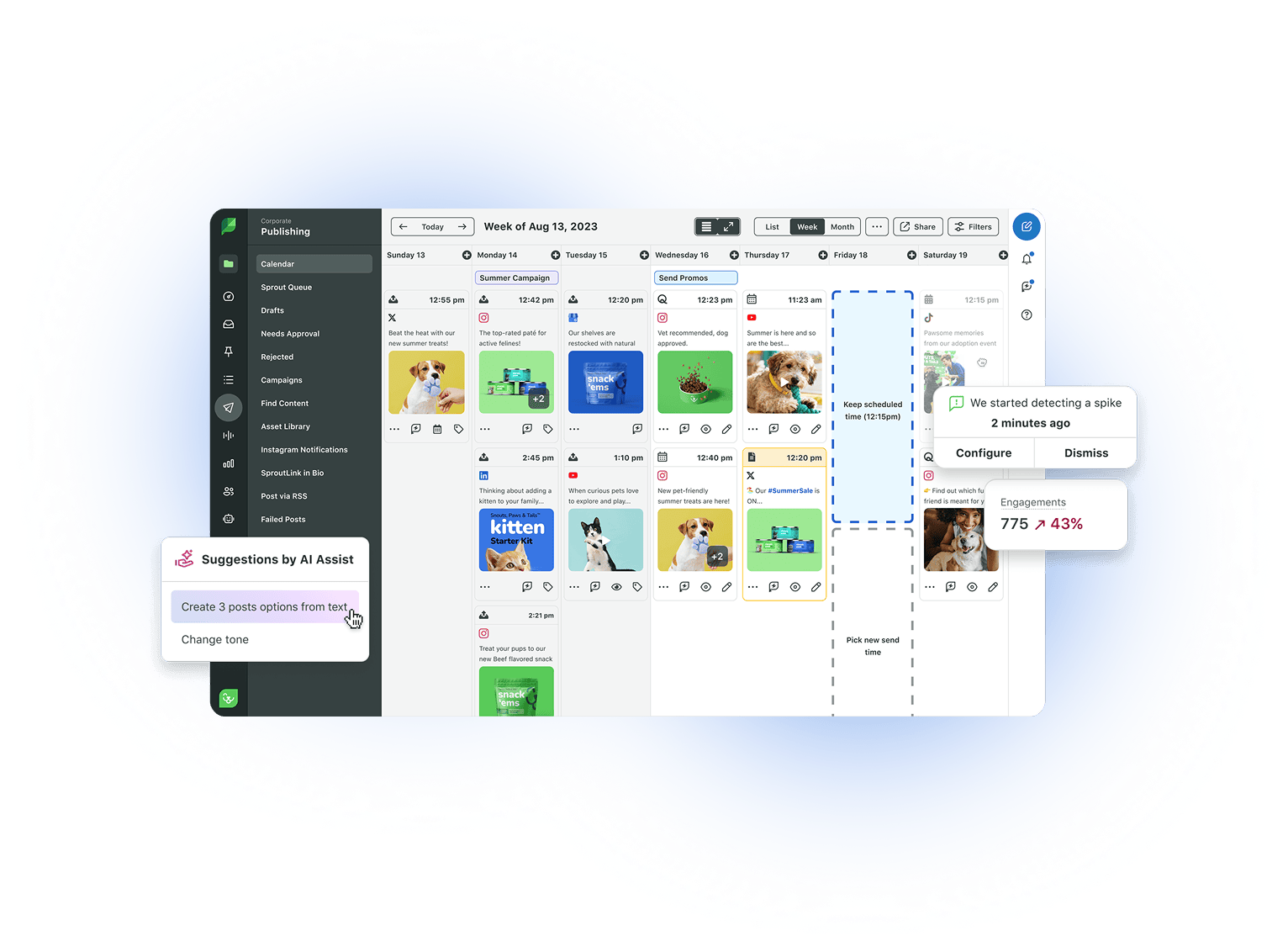
Start a free trial of Sprout Social to track the authentic engagement that drives long-term growth and clear business impact.
39 free social media strategy templates that will elevate your workflows

Build and grow stronger relationships on social