Social media personas: How to build and use them

Written by Brent Barnhart
Published on October 7, 2026
Reading time 8 minutes

Table of Contents
You’re not posting to a crowd. You’re posting to people, each with their own feeds, habits and reasons for following you. The brands that win on social media know who those people are, and they build social media personas to define their target audience instead of guessing at it.
The best social media personas turn a faceless following into a handful of real people your team can design for. That shift matters more every year. Audiences are fragmenting across more social media platforms, formats and subcultures than ever, and generic “post everywhere” strategies fall flat.
A well-defined persona cuts through that noise. It tells you which platforms to prioritize, which formats to create and how to speak in a voice that lands. Get your personas right and every downstream decision gets easier to make and easier to defend to the people who fund your strategy.
This guide breaks down what a social media persona is, why it matters and how to build personas your whole team can act on.
What is a social media persona?
A social media persona is a data-backed, semi-fictional profile of one segment of your ideal audience, built from how real people behave on social media platforms. It captures who they are, what they care about and how they show up online, so your team designs for a specific person instead of a faceless crowd.
That focus is what separates a social media persona from the other profiles marketers juggle. A social media persona maps behavior on social. A buyer persona maps what drives a purchase.
A brand persona defines how your brand itself sounds and acts. You need all three, but only one tells you which platforms, formats and hooks will land with your audience.
| Persona type | Core question it answers | Built from | Best used for |
|---|---|---|---|
| Social media persona | How does this audience behave on social? | Social analytics, listening data, engagement patterns | Content formats, platform choice, posting style |
| Buyer persona | What pushes this person toward a purchase? | Sales conversations, CRM data, win/loss insights | Offers, sales messaging, lead nurturing |
| Brand persona | How should our brand sound and act in public? | Brand values, voice and tone guidelines | Brand voice, visual identity, community interaction |
Nail the social media persona and the rest of your strategy, from the platforms you prioritize to the tone of a single caption, falls into place.
Why marketers need social media personas
Why invest the time to build them? A social media persona turns abstract audience data into a person you can picture.
Whether you’re reaching millennials or baby boomers, a persona helps you hone in on a focused, actionable social media strategy instead of marketing to everyone and no one.
Improve your content strategy
From finding your brand voice to publishing relevant pieces, social media personas help you tap into content that speaks to different members of your audience.
For example, Denny’s is known for its meme-heavy Instagram and bizarre presence on X (formerly known as Twitter). These feeds are favorites of millennials who are hungry for humor rather than traditional restaurant marketing fare.
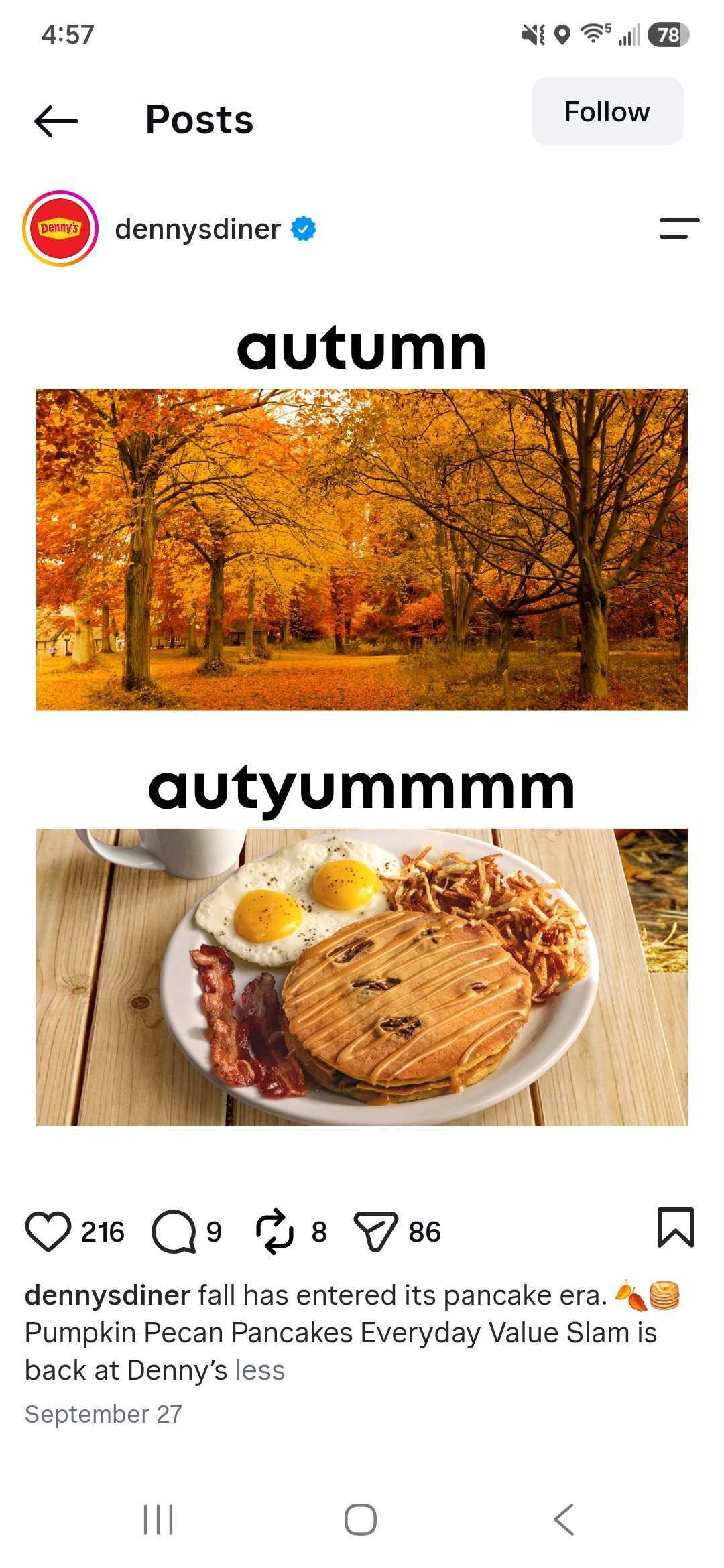
But the brand’s Threads account takes a different approach. Publishing whimsical, on-brand one-liners, Denny’s Threads speaks to an audience that craves bite-sized humor, driving consistently high engagement.

The brand targets different social media personas based on platform behavior rather than taking a one-size-fits-all approach. This sort of segmentation lets them speak to multiple customer bases and engage those audiences with the content styles and platforms they prefer.
Run more compelling ad campaigns
Ad campaigns on Facebook and Instagram are winning right now for brands concerned about organic reach.
The success of these campaigns hinges on granular audience data.
With your social media personas defined, you can zero in on ad targeting that’s tailored for your brand’s best customers.
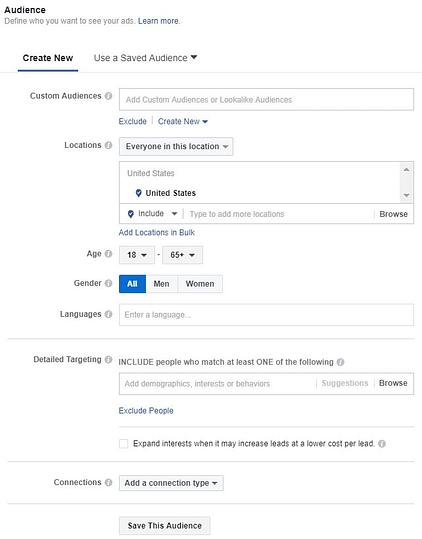
When ad platforms let brands target based on everything from age and location to related interests, having personas on hand makes for more compelling ads that speak to specific wants and needs.
Tap into a profitable target audience
As social feeds become increasingly saturated, tapping into niche audience segments offers a distinct competitive advantage.
Instead of taking a ‘trickle down’ approach, target specific audience segments rather than chasing anyone and everyone.
And your personas teach you who those customers are and where they spend their time.
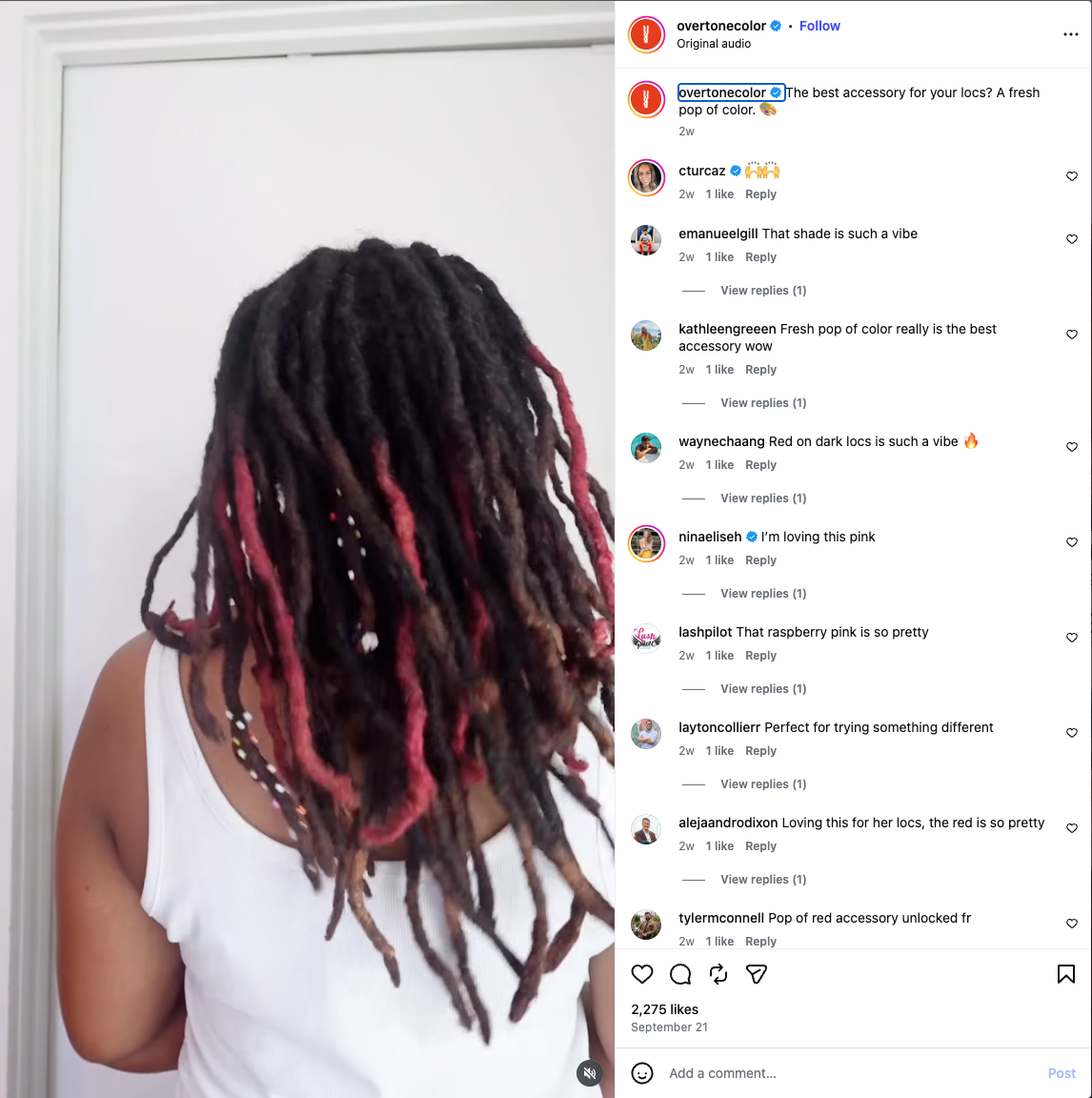
Brands like Overtone excel by leaning into their vibrant, color-obsessed customer base rather than presenting themselves as a generic beauty brand. Their loud feed featuring primarily millennial women is no accident, and neither is the high engagement the brand earns on any given post.
What does a social media persona look like?
There’s no single “right” way for a persona to look, but the strongest profiles share one trait: The more specific you get, the more useful they are.
Here are some sample personas from a sporting brand building an audience-aligned social media strategy:

These are a solid starting point, but the best profiles go much deeper.
Plenty of brands craft full narratives for their social media personas, with fictional biographies, motivations and personality traits that make them read like real, flesh-and-blood people. Xtensio offers blank templates that show what a more complete persona looks like:
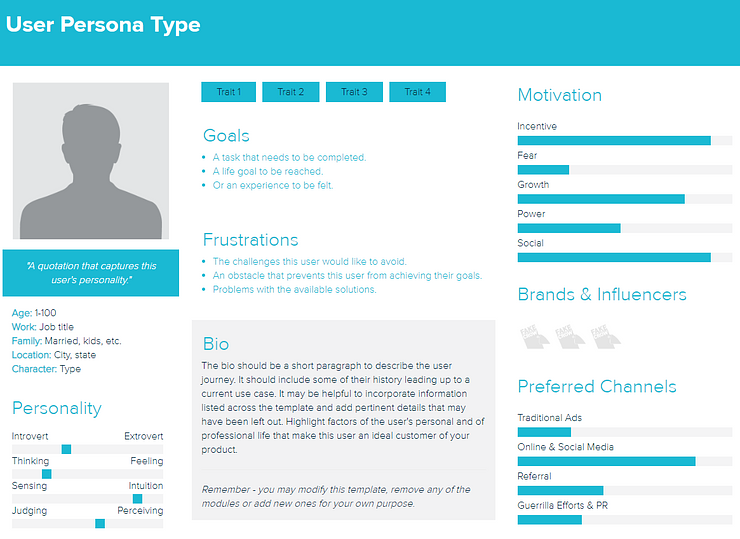
And here’s the finished product:
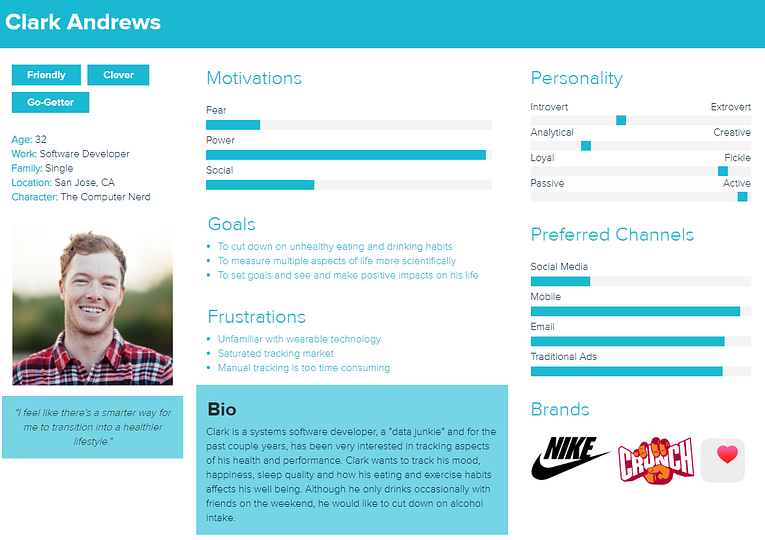
Excessive? Not at all. Every audience is nuanced, and spelling out these details makes it easier to craft messages that resonate and attract customers likely to convert.
Whatever depth you choose, organize the details into four categories you can act on:
- Demographics: Age, location, gender, income and spending power
- Psychographics and values: Personality traits, motivations and the brands your audience chooses to support
- Goals and pain points: What your audience wants to achieve, the frustrations in the way and the objections that stall a purchase
- Platform and content habits: The social media platforms your audience favors, the formats it engages with and when it shows up
That last category earns its place more every year, because where your audience spends its time now shapes strategy as much as any demographic.
Data from the 2026 Sprout Social Content Strategy Report shows platform preferences split sharply by generation: Gen Z skews toward Instagram, TikTok and YouTube, while Baby Boomers concentrate on Facebook. Even so, 85% of consumers across generations have a Facebook profile, proof that no single platform maps neatly to one audience.
Mapping this out requires effort, but everything from audience metrics to qualitative signals like customer frustrations is available through social media.
How to define your social media personas
You already have a big-picture idea of what your personas look like. That’s a strong start.
But defining your personas means spending time with your data, picking your customers’ brains and running a target audience analysis based on social metrics.
Dig into your social data
To break down your demographics by the numbers, start with your native social data.
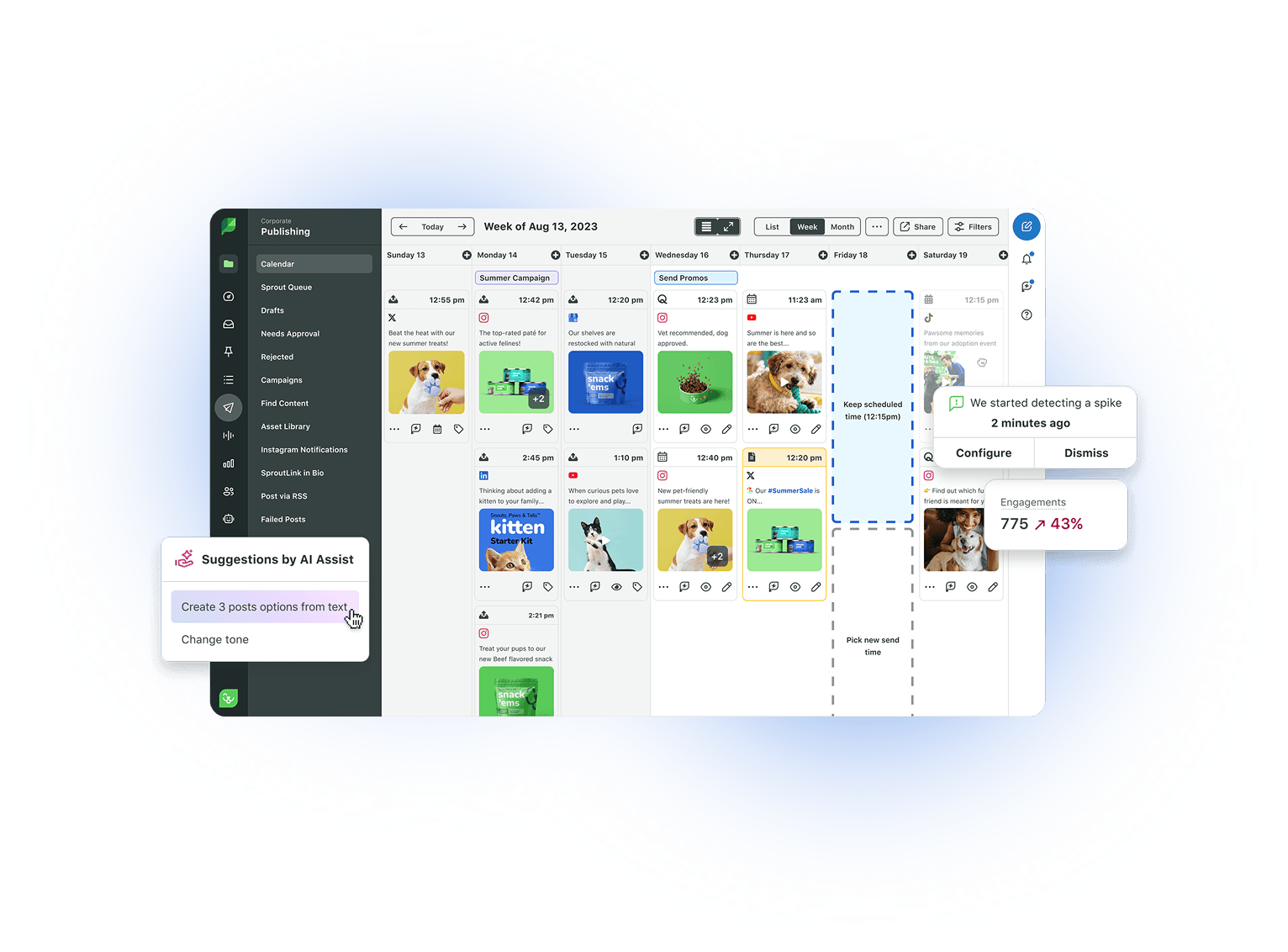
For example, Sprout Social’s social analytics suite provides audience demographic breakdowns and cross-network performance data to validate and refine your target personas.
This is where Sprout’s AI-powered Social Intelligence Platform pulls ahead. It pairs owned audience demographics on key networks with cross-profile engagement trends, helping you ground your personas in real customer behavior instead of guesswork.
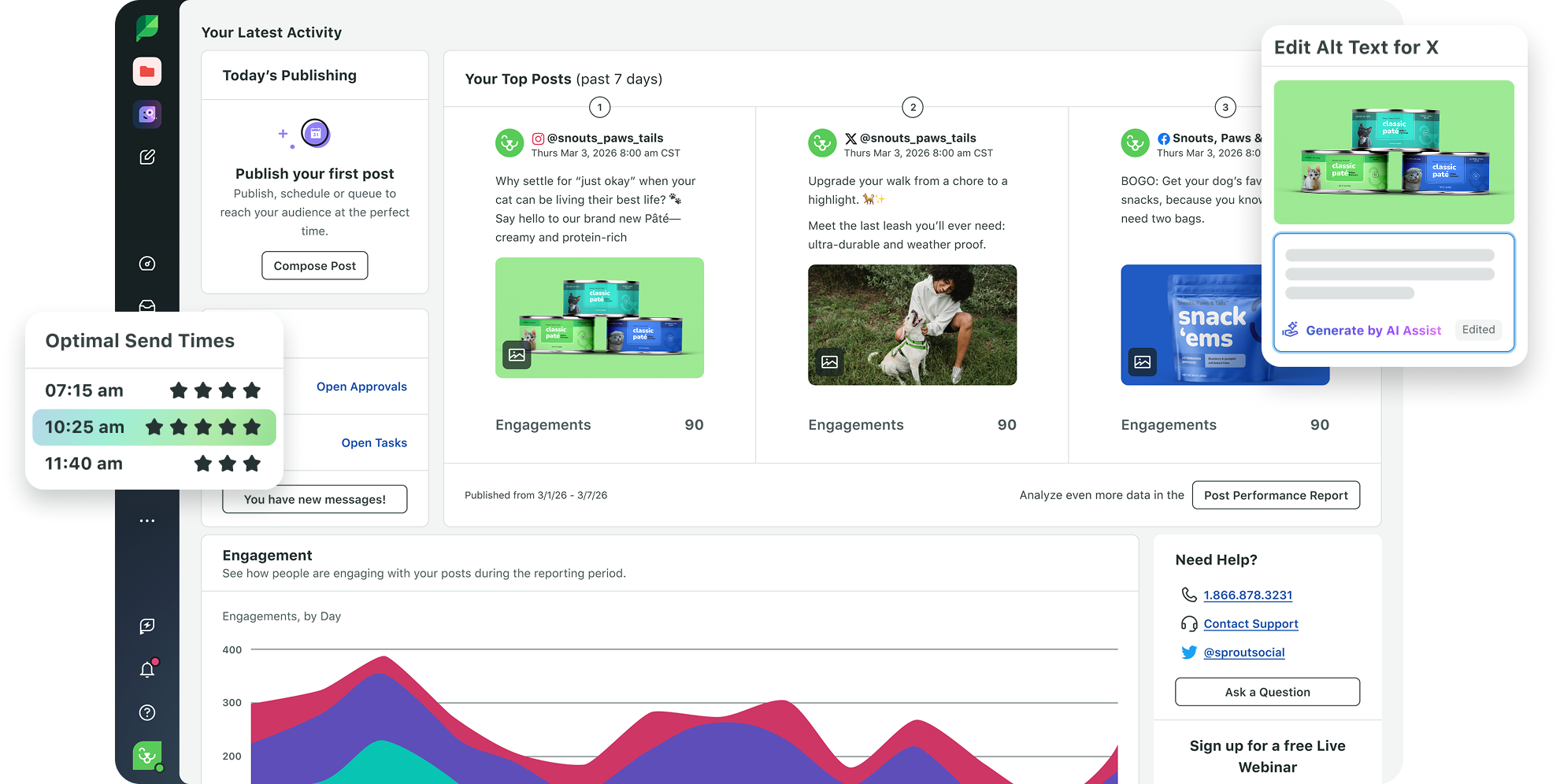
Social listening takes that further—uncovering the broader industry themes, shared interests and unexpected concerns your target market cares about most. You can also mine your social data across Facebook, X and LinkedIn, then study your top-performing posts and best times to publish to pinpoint how your audience prefers to engage.
Paired with interaction histories from your brand advocates and customers in the Smart Inbox, you get a continuous feedback loop into who your audience is.
Look at your non-social analytics
Social media isn’t the only place to gather information for your social media personas.
Uncover the on-site behaviors that shape your social media strategy. This data includes:
- Shopping data
- CRM data
- Google Analytics
If you notice a particular product or whitepaper drives the bulk of your traffic, ask yourself: What aspects of your customers’ wants or needs are your top performers speaking to? These make valuable data points for your persona profiles.
You can also identify which social media platforms are most relevant to your personas. Rather than spread yourself thin, focus your future efforts where your customers already spend their time.

Ask plenty of questions
Analytics tell a rich story, but they aren’t the full picture.
Never neglect the simple act of asking your audience directly what they want or need. Whether it’s through a survey, poll or a social post, their responses give you real insight into their struggles. There’s a reason so many brands make asking questions a staple of their content strategies.
Turning your social media personas into action
With your personas established, how do you translate data into strategy? Given the effort it takes to build a social media persona, turning that legwork into action is the priority.
Segment your audience
While creating personas, you’ll uncover multiple customer segments. Expect this—few brands market to a single, uniform persona.
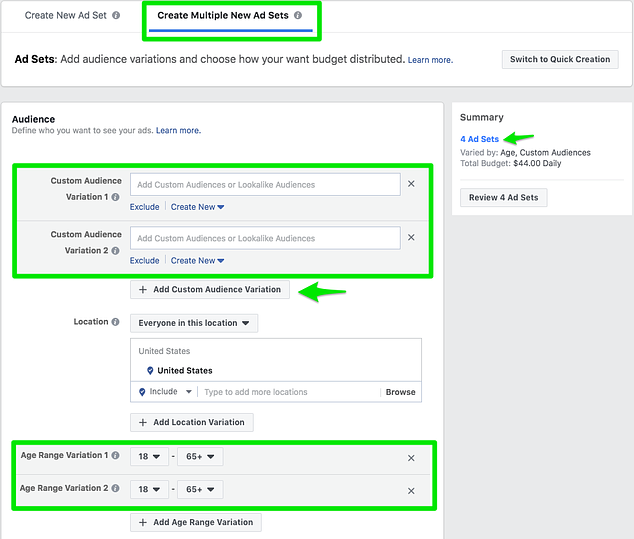
Segmenting your audience by persona influences everything from your content calendar to your ad strategies. For example, Facebook ads let you create ad sets based on variations of your audience. You’ll also want to fill your content calendar with posts that don’t overlook any part of your customer base.
Adapt your brand voice
Once you know your social media personas, it’s much easier to adapt your brand voice and have more authentic conversations with customers.
Different demographics require different tones. When your personas are clearly defined, choosing the right tone becomes an exact science rather than a daunting guess.
Whether you lean into witty observations or position yourself as a trusted advisor, your brand voice dictates your social captions, ad copy and overall customer experience.
Brands like Chewy have mastered a distinct, playful brand voice for their pet-friendly audience.
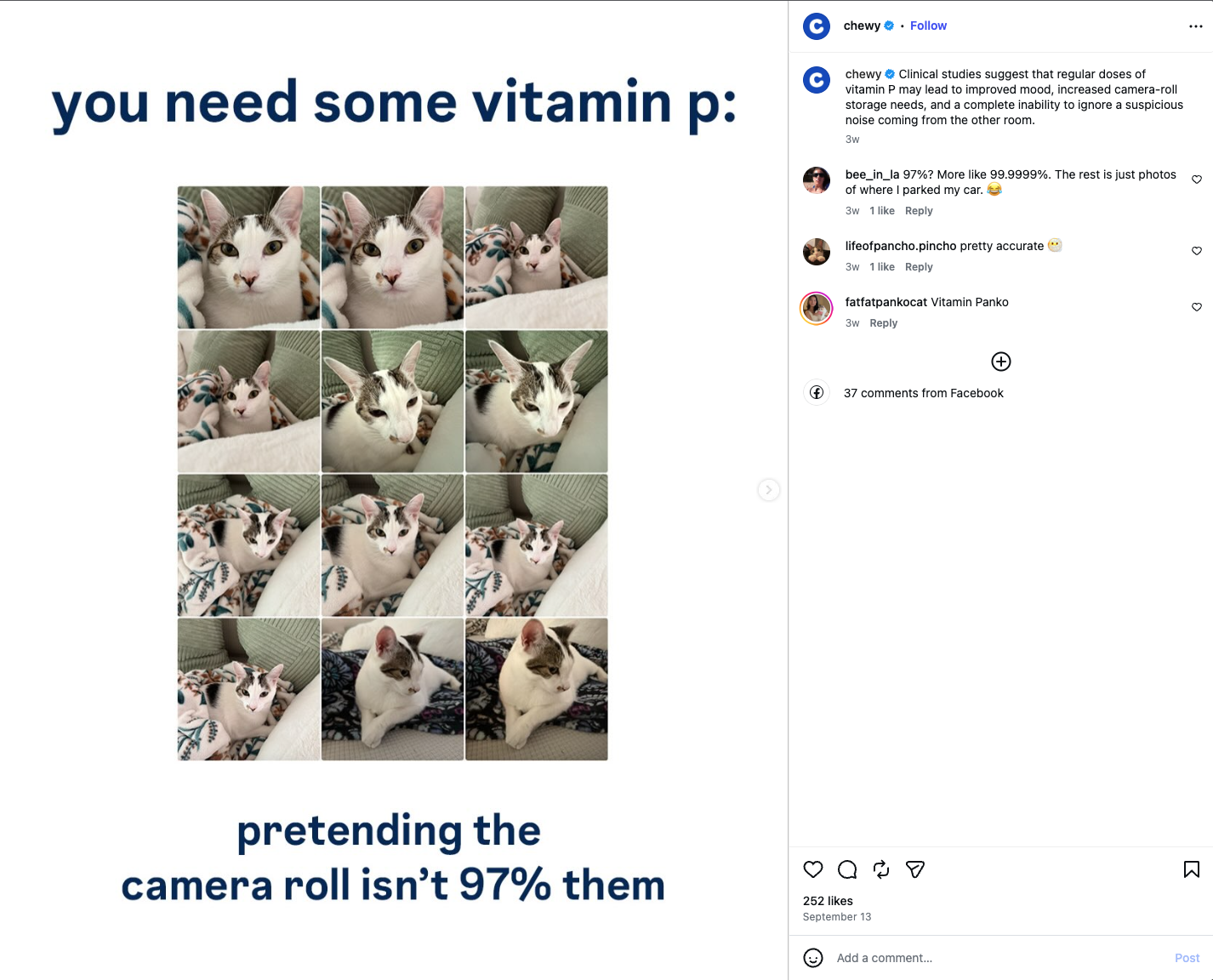
But they also know how to put on a serious face.

Tailoring your voice to social personas takes intention, but it ensures your message cuts through noise.
Tweak your content strategy
Social personas are the bedrock of a targeted content strategy.
Ask yourself: Are you producing content that speaks to your personas’ motivations and frustrations? How are you helping your customers reach their goals?
Whether it’s your next blog post or live video, you need a pulse on what your personas are buzzing about today to stay topical.
This also means fine-tuning your personas is an ongoing process. As you track trends and keep asking questions, social listening and attention to detail keep you in the loop with what your personas want.
What do your brand’s social personas look like?
The more you understand your audience, the stronger every part of your social media strategy becomes.
Rich personas don’t just sharpen a single campaign. They align your whole team around who you’re talking to, so content, paid and customer care all pull in the same direction, at the scale enterprise brands operate.
That’s what Sprout’s AI-powered Social Intelligence Platform is built for. Its premium analytics and social listening turn audience signals into personas your team can build, maintain and act on across every social media platform you manage, no guesswork required.
Ready to see who your audience is? Request a demo and start building personas on first-party data.
FAQs about social media personas
How many social media personas should a brand have?
Most brands land on three to five personas, enough to cover distinct audience segments without spreading your strategy thin. Start with your most valuable segments and add a persona only when the data shows a genuinely different behavior pattern.
How often should you update your social media personas?
Review them once or twice a year, and sooner if you launch in a new market or see engagement shift. Personas are living documents, not one-time exercises.
What data do you need to build a social media persona?
Combine social analytics (demographics, top content and best times to post), social listening themes and non-social sources like CRM and website behavior. The richer your first-party data, the sharper the persona.
Can you use AI to build social media personas?
Yes. AI-powered analytics and listening surface audience patterns far faster than manual review, turning real-time social signals into persona-ready insights your whole team can act on.
39 free social media strategy templates that will elevate your workflows
Published on August 20, 2026 Reading time 15 minutes








Share