What is social media monitoring: Creating a social media monitoring strategy

Written by Natalie O'Grady
Published on June 9, 2026
Reading time 8 minutes
Table of Contents
In the fast-paced world of social media, waiting for users to @mention your brand before you join the conversation means you’re missing opportunities every day.
Customers refer to your brand without tagging your official handle, whether that’s through name variations, product mentions or hashtags. You can automate tracking these conversations across multiple channels through social monitoring and social listening, and then take action on those insights gained with social intelligence.
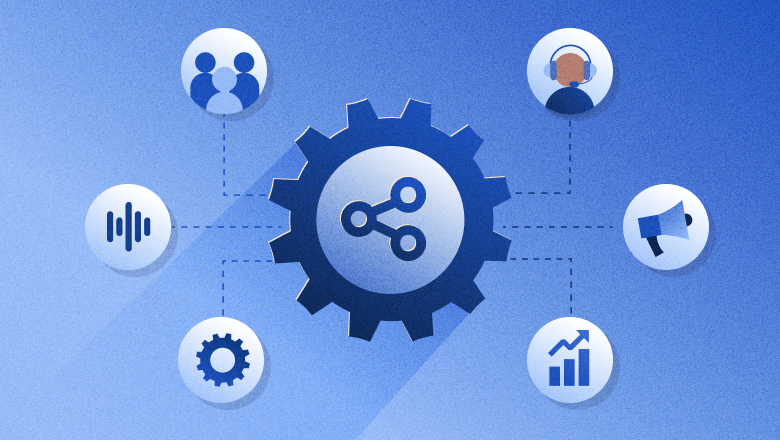
Social monitoring is the first step toward enabling true social intelligence, bringing together customer care, communications and marketing to create a stronger customer experience. A successful social media monitoring strategy streamlines all mentions and search parameters in one place, letting you focus on responding to important messages and developing data-driven strategies.
What is social media monitoring?
Social media monitoring is the process of tracking and responding to brand mentions, conversations and feedback across social platforms in real time. This includes direct mentions, untagged posts, reviews, comments, and messages about your brand, products or industry.
How social media monitoring is different from social listening and social intelligence
Social media monitoring, social listening and social intelligence are not the same. Social media monitoring tells you the what, while social listening gives you the why and social intelligence is the action you take as a result.
- Social monitoring: The analysis of social media conversations to understand and quantify how people discuss specific topics. Focuses on the content of the information shared in conversation.
- Social listening: The gathering, analyzing and interpreting of conversations on social media.
- Social intelligence: The application of social insights to business strategy.
With monitoring, you respond directly to customers, solve issues and participate in conversations specific to your brand. Social listening, on the other hand, involves the big-picture view of your industry and brand at large, including your audience’s tangential interests. Social intelligence is the analysis of social media data and conversations to generate insights that help businesses understand and make decisions about their brand, competitors, markets, people and culture.
Benefits of social media monitoring
Social media monitoring helps you discover relevant brand conversations and insights you wouldn’t otherwise. With the right tools, you get these insights in real time to manage crises, find new influencers and brand loyalists, and know your customer better.
When the insights gained from social media monitoring is connected to other intelligence, it delivers measurable business impact:
- Crisis prevention: Detect issues before they escalate into major problems
- Customer insights: Understand sentiment and preferences in real time
- Brand awareness: Increase visibility through reactive and proactive engagement
- Influencer discovery: Find brand advocates and partnership opportunities
- Campaign analysis: Gather unfiltered feedback on your marketing efforts
Boost brand awareness
When you track customer conversations, you respond to their needs immediately. This proactive engagement increases brand awareness to potential customers, while improving customer experience and boosting retention.
Brands that interact with posts, especially untagged mentions, create stronger recall than those pushing ads alone. When you show your audience you care about their feedback, you become more memorable. Connecting social conversations to customer insights from other areas of the organization help brands better connect to audiences on social and beyond. Almost half of marketers say cross-functional social intelligence has led to improved customer retention and another 40% say it helped them identify new audiences and market segments, according to The Social Intelligence Report.
Understand audience sentiment
Social monitoring makes sure you always know what your audience thinks and feels. Sentiment can change quickly and be affected by small moments.
Based on context in a particular conversation, you can glean insight into why sentiment about your brand is the way it is. Social monitoring gives you a timely in-depth framework for what is driving customer sentiment.
Maximize social media campaign insights
Social campaigns require creative thinking and tactical work to be successful. Social monitoring strengthens your campaign reporting and gives you additional information you won’t get from analytics alone.
Customers post reactions to campaigns and product launches, and candidly share their thoughts, adding qualitative context to your collected insights.
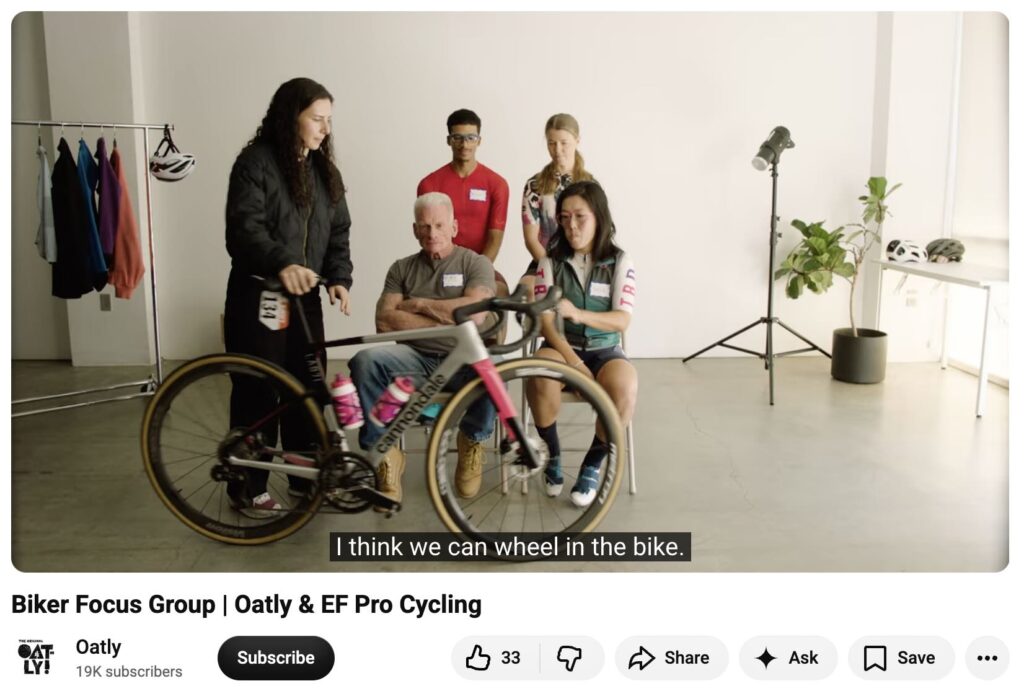
Take Oatly. The original oat milk company found an unexpected audience through social monitoring: the EF Pro Cycling crowd. The Oatly team turned that insight into social intelligence with a new target audience segment that brought new campaigns and product use cases to life.
Social intelligence specifically inspired this “Biker Focus Group”:
Address social media crises quickly
Every brand faces negative situations such as customer complaints, product issues or security breaches. Social media monitoring gives you the early warning system you need to address problems before they become crises.
Your social media strategy needs to be properly set up at the start to successfully weather a crisis. Being able to see conversations about the issue in real time helps you answer individual posts and overall public statements.
Find new influencers to partner with
Some of the best brand advocates may be niche influencers you just haven’t come across yet. Social monitoring can help you find the right influencers and reach out about potential partnerships.
Like when Dollar Tree discovered they had been deemed “Sephora on a budget” by beauty and budget creators, they sprung into action. The brand was quick to repost creator-generated content from the brand account.

Best practices for social media monitoring
An effective social media monitoring strategy starts with planning. It’s the first step in building a true social intelligence model so you’ll need to set clear goals upfront to get the most benefit, which includes selecting relevant monitoring metrics to track.
Here’s a look at how to get started and lay a strong foundation for your monitoring program.
Set clear goals and objectives
Set goals and objectives upfront for a positive social monitoring experience. What do you hope to gain, and what metrics do you want to impact?
For example, you may want to better understand customer sentiment and improve it. Making sure you have the right tools in place supports the goals and objectives you set.
Choose the right social media monitoring tools
There’s no shortage of social monitoring tools on the market, but not all will fit what you need. Get a sense of what tools you already have in place.
Keep in mind that a comprehensive platform saves you a headache, as it’ll cover multiple areas of your strategy.
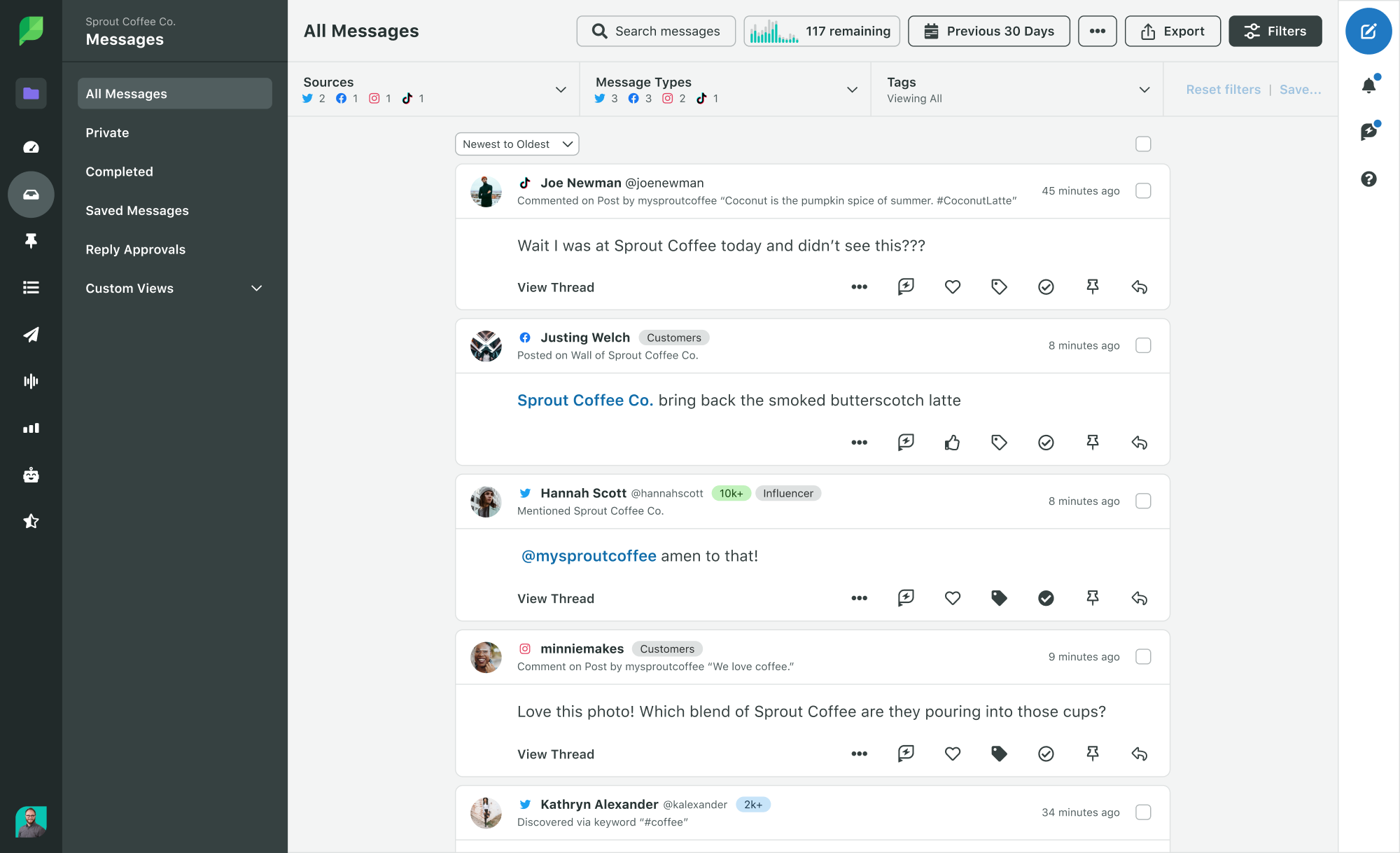
For example, Sprout Social keeps track of mentions and metrics across Instagram, X, Facebook, TikTok, Threads and more. Insights are housed in one platform, making it easy to navigate.
Monitor relevant keywords for your brand
Draft a keyword list for your social monitoring tools to track. This should include your brand name and variations of it (for example: Sprout Social, Sprout, SPT).
Add in product names, competitor brands and industry-specific terminology customers may mention alongside discussions with your organization. Regularly update this list based on what your monitoring efforts discover.
Monitor across all platforms
Focus your social media presence on platforms where your audience is most active.
Yet, when it comes to monitoring, it’s best to keep track of all platforms, regardless of whether you have a brand account there. Customers can reference you anywhere, and sticking to your established channels can cause you to miss critical insights.
Respond to social media mentions
As part of your overall strategy, craft an approach for both responding reactively to posts you find and proactively engaging. Put authenticity at the forefront, and respond with purpose. Importantly, don’t just collect and then hoard the social mentions you find. Take action.
Have a plan in place to use the social insights you collect by sharing them with your leaders and cross-functional partners. More on that at the end of this section.
Analyze your social media monitoring
After setting up monitoring parameters and responding to messages, measure your results to ensure your efforts drive business impact.
Track your monitoring success with social media analytics tied to your original goals.
Measure sentiment changes month-over-month to see if proactive responses improve brand perception. Adjust your response strategy based on what drives the strongest positive sentiment shifts.
Ultimately, your monitoring, listening and reporting strategies should all integrate and support one another, bringing together the full context of the market so you can make more informed decisions.
Elevate insights to leadership
There is a pervasive intelligence gap that exists in organizations today. Many companies leave social data untouched, left sitting in dashboards and spreadsheets—never making it to the decision makers who can use it to refine your customer experience, marketing strategy and product innovation.
The Social Intelligence Report found that 33% of marketers say they react too slowly to a market shift because of delayed, siloed and underused social audience insights. Another 69% say they share insights with leaders less often than weekly.
Create a plan to build relationships with leaders and the C-suite so your company can tap into the vast resource of social data by sharing social audience insights on a regular basis.
How to use Sprout for social media monitoring
Sprout Social is an AI-powered Social Intelligence platform that completes a brand’s business intelligence ecosystem. With Sprout, companies can capture the real-time, unstructured voice of the customer. The comprehensive social monitoring capabilities help you navigate through millions of social conversations in seconds. While AI and automation take on manual tasks so care teams can focus on creating human connections.
For example, with the consolidated Smart Inbox you can simplify your workflows with a centralized platform that enables internal collaboration and provides customer background to create a seamless customer experience.
Easily respond to an X (formerly known as Twitter) mention, an Instagram comment and a Facebook review through a single unified dashboard. All your networks, brand keywords, search results and hashtag campaigns show up in the real-time Inbox.
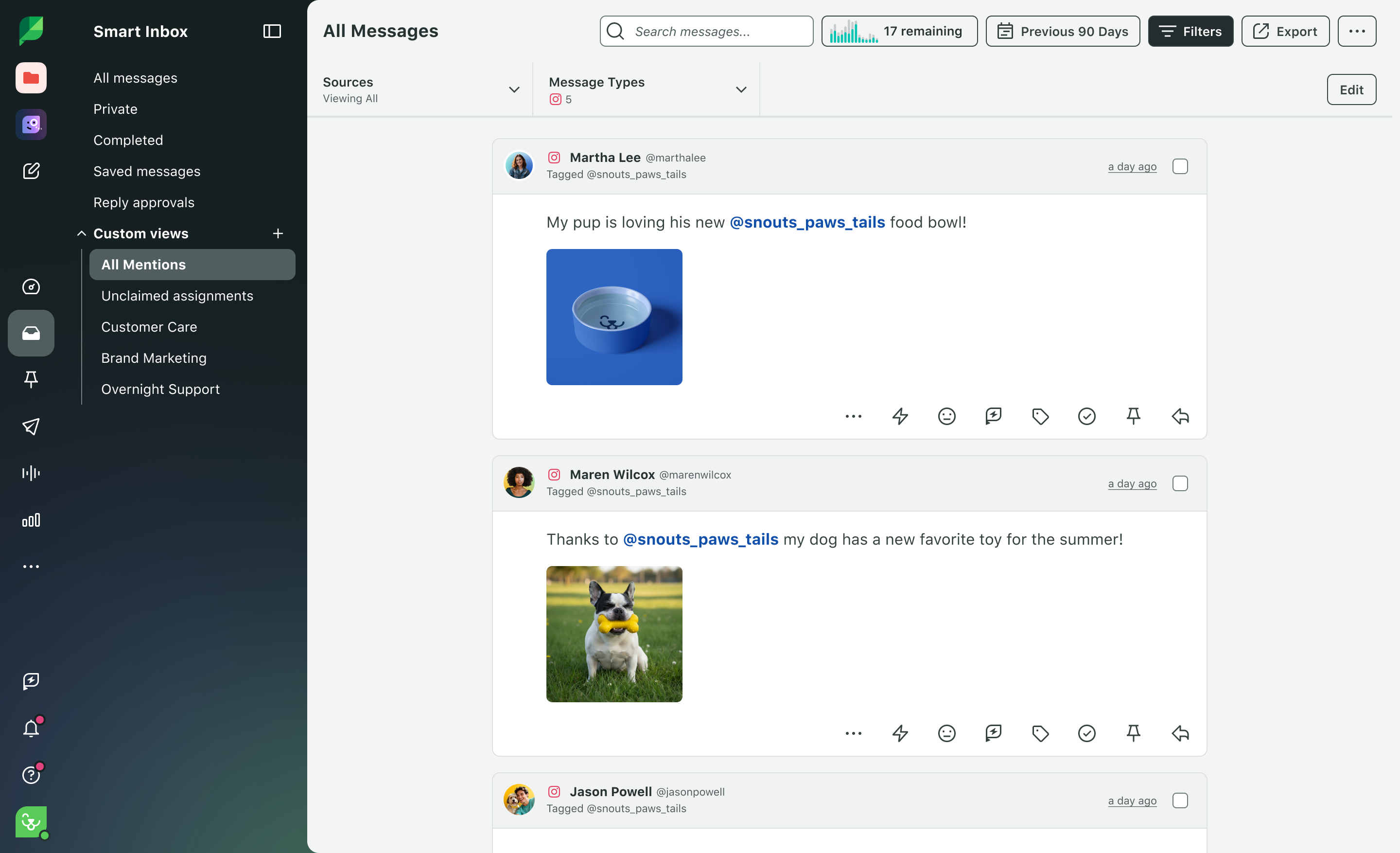
To use the Inbox to its fullest extent, begin by adding brand keywords and hashtags. These should include all of your regular mentions of your brand names and the misspellings.
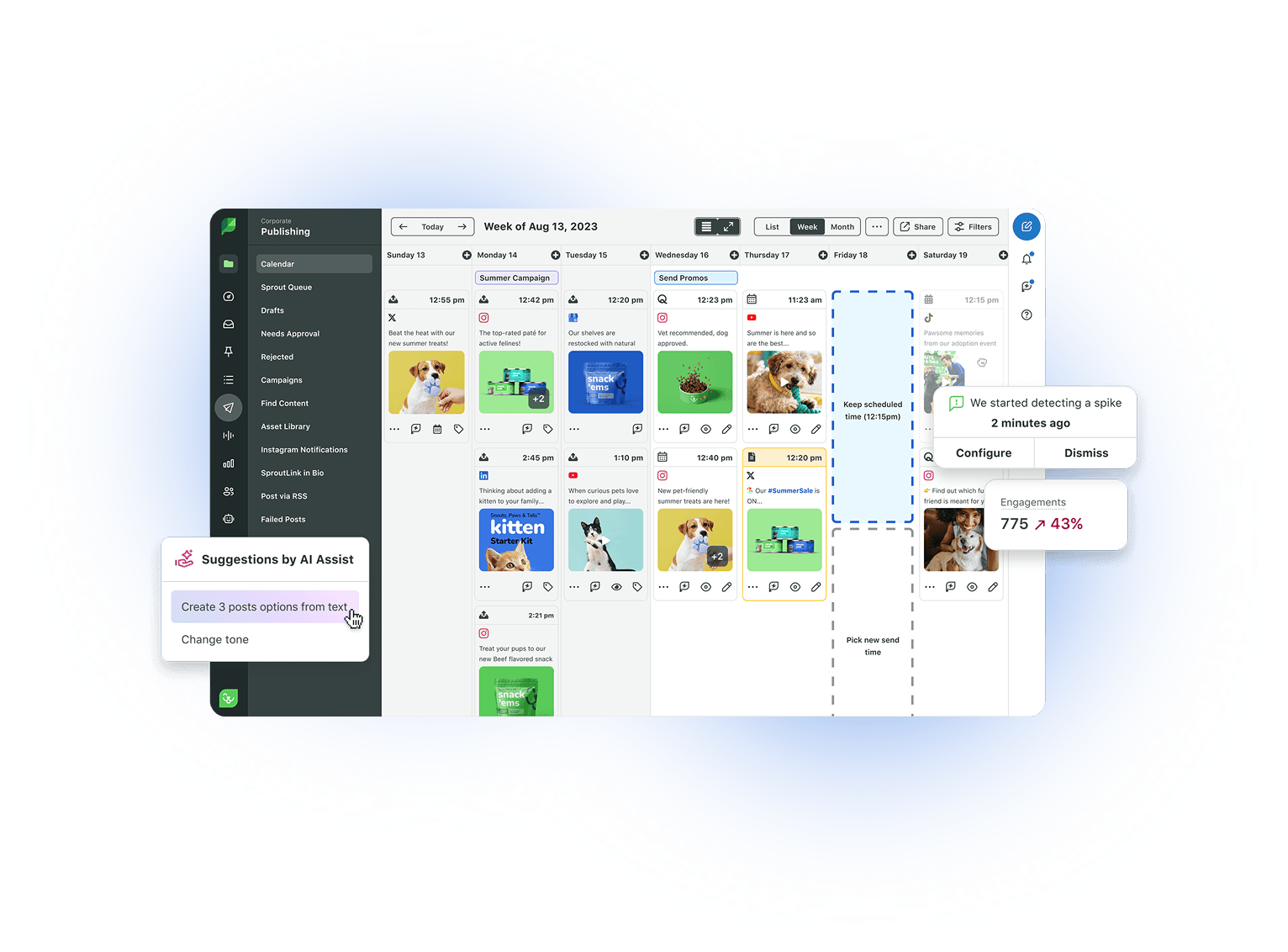
If applicable, be sure your review sites, like Tripadvisor, are also connected. You don’t want to miss out on addressing customer reviews. You can also set up Message Spike Alerts to send email or push notification alerts if incoming messages exceed the monthly hourly average.
Once you have this all set up, the next step is triaging and responding quickly with messages from the correct teams. With Sprout, automate assigning them to the appropriate team members depending on the content, and organize and customize how you reply to incoming messages with unlimited tags, custom views and bulk actions.
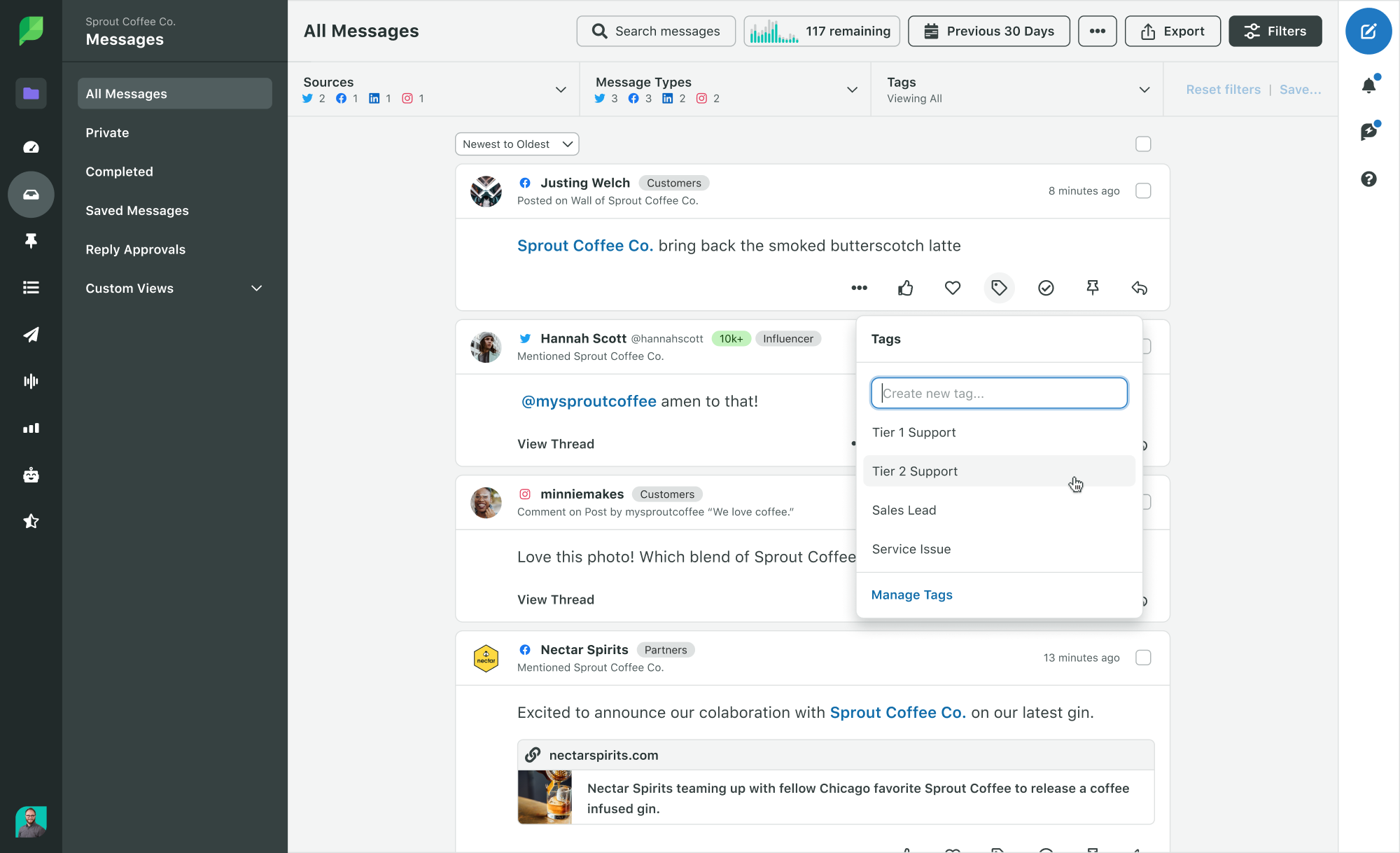
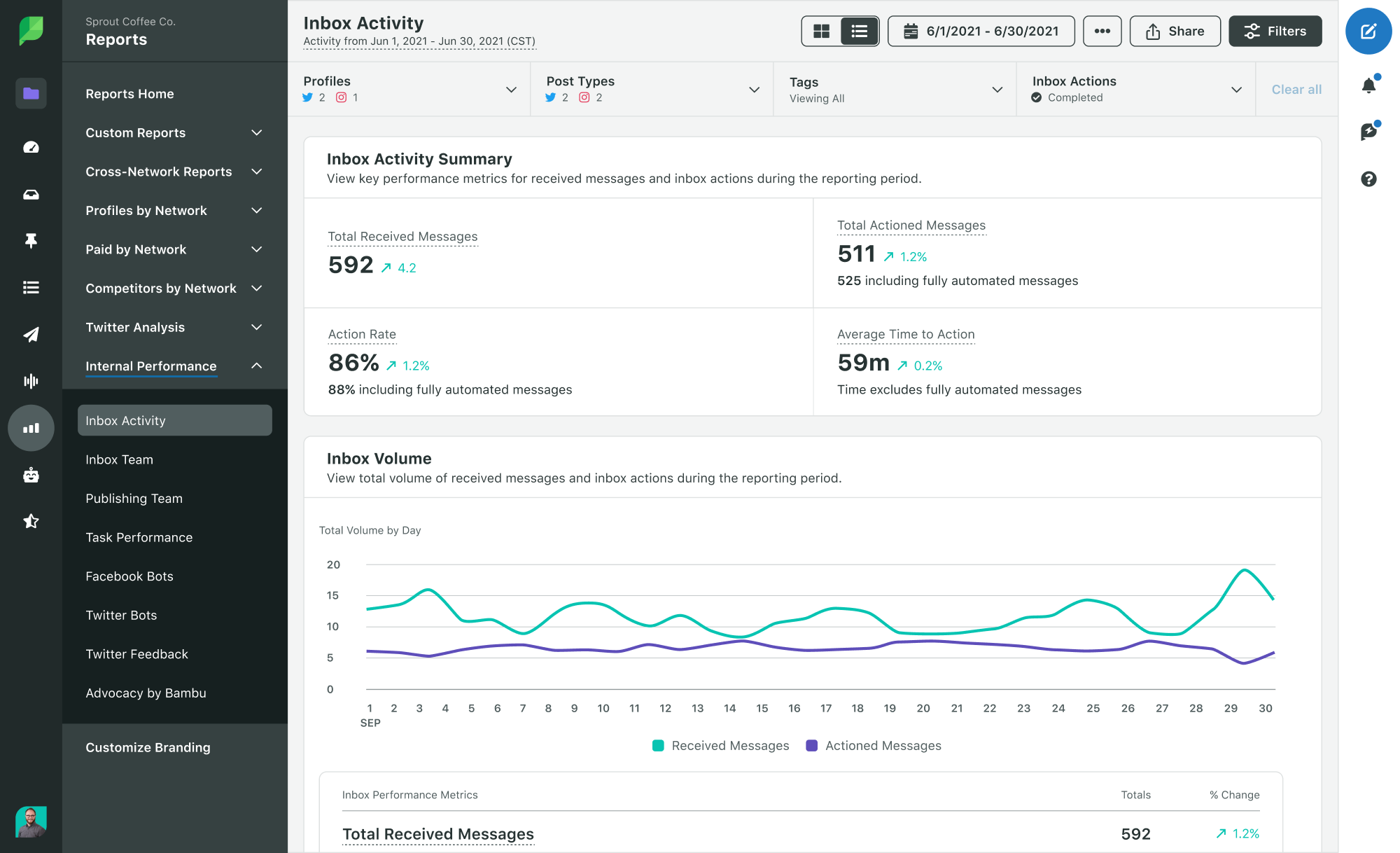
Later on, these tagged messages can easily be pulled into Sprout’s analytics and provide the data that drives your monitoring reports. You can also go a step further to build listening queries that can inform your decisions on marketing and product development.
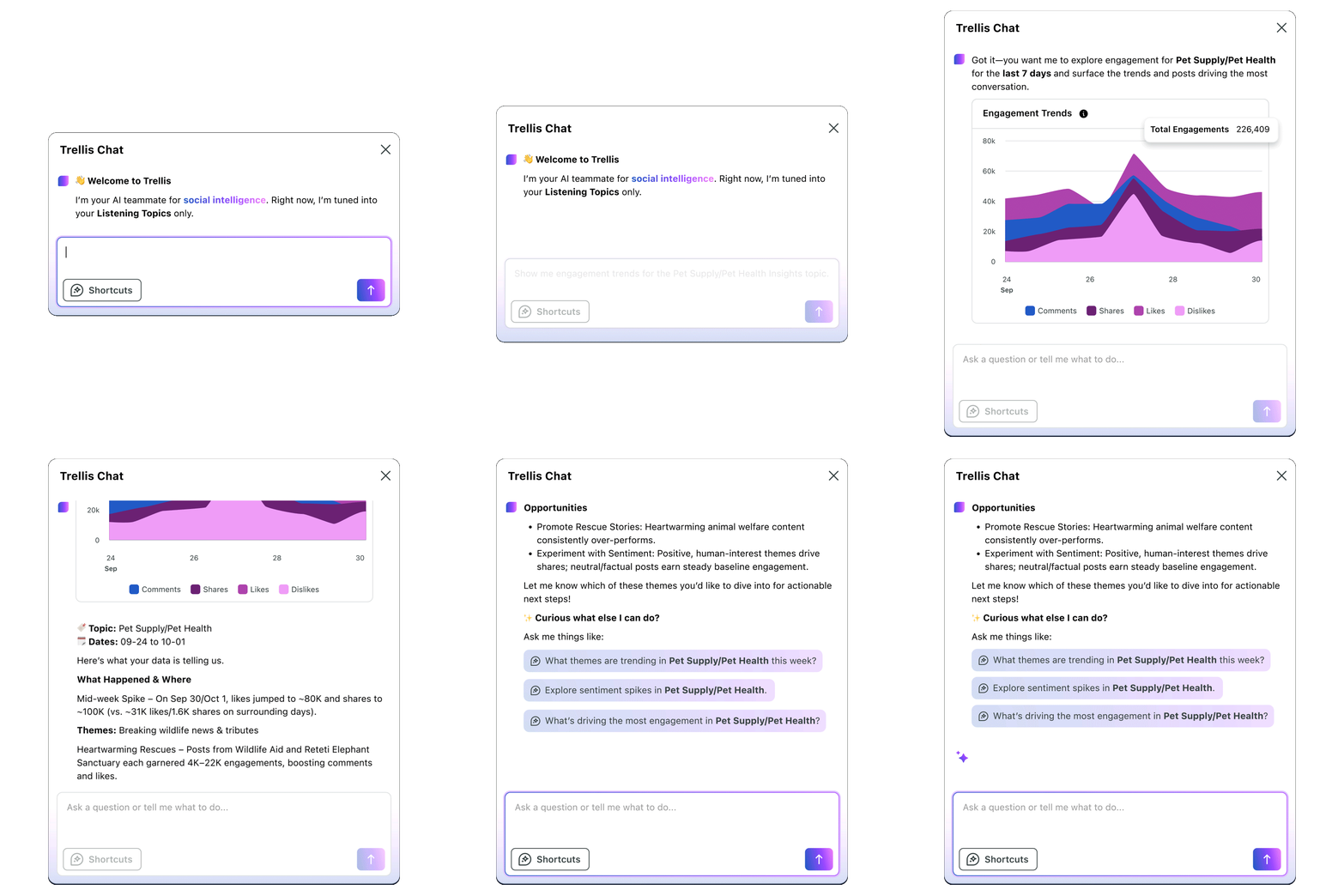
Sprout’s AI-driven Social Listening capabilities complement these monitoring options, further guiding your brand strategy and operationalizing social intelligence. Easily build sophisticated listening queries and track millions of conversations around your industry and audience’s interests. Trellis, Sprout’s AI agent, provides conversational data exploration that reveals insights and recommends action in seconds.
Monitor, listen, take action, repeat
Once you’ve aligned on your social media monitoring strategy, remember that these strategies often go in a cycle. Monitor so you know what’s being said, listen so you understand it, respond authentically, take action on the feedback and then do it all over again.
When choosing the right monitoring tool for your business, make sure it covers all the social networks you’re presently on, and hopefully, all in one space. With less back and forth between apps and browser tabs, you’ll be able to focus more clearly on the task at hand: social customer care and maximizing the value of your campaigns.
To learn more about ways organizations are turning social insights into action, download The 2026 Social Intelligence Report.
Are you ready to take on a social media monitoring strategy for your brand? Sign up for a free trial of Sprout Social today.
Social Media Monitoring FAQs
What are the four types of social media analytics?
The four types are descriptive (what happened), diagnostic (why it happened), predictive (what will happen) and prescriptive (what actions to take).
How often should I check my social media monitoring tools?
Check real time for active conversations and customer service, but daily or weekly monitoring works for trend analysis—especially if you have automated alerts set up.
What does social media monitoring refer to?
Social media monitoring is the analysis of social media conversations to understand and quantify how people discuss specific topics. It involves collecting social conversations and messages to keep track of customers’ likes, dislikes, wants and changing needs. Social monitoring also includes responding to relevant conversations about your brand. This process is distinct from social listening and social intelligence, as it primarily focuses on the content of the information shared in conversation.
How is social media monitoring done effectively?
Effective monitoring is achieved by tracking and responding to brand mentions, reviews and untagged conversations in real time. It requires setting clear goals, centralizing data in comprehensive software tools and sharing actionable audience insights with leadership to drive business decisions.
Can I monitor competitors with social monitoring tools?
Yes, monitoring competitors helps you benchmark performance, track their campaigns and identify market opportunities.
What's the difference between social media monitoring and social media management?
Monitoring tracks and responds to conversations about your brand, while management encompasses your entire social presence including content creation, strategy and intelligence.
What are the standard social media monitoring strategies and techniques?
Standard strategies involve drafting a comprehensive list of brand keywords, variations and competitor names to track. Techniques include monitoring conversations across all social platforms, responding both reactively and proactively to users, and analyzing monthly sentiment changes using analytics data.


Share