The economy is reshaping influencer storytelling

Written by Aubree Schaefer
Published on May 28, 2026
Reading time 5 minutes
Summary
- Influencer storytelling is evolving alongside the economy, with consumers gravitating toward relatable creators who share affordable finds and practical shopping advice.
- As trust in social media and creator content continues to grow—especially among Gen Z and millennials—brands are finding that influencer partnerships drive stronger engagement and conversions than traditional branded content.
- Marketers should prioritize creators with niche expertise, authenticity and high engagement over polished aesthetics or massive follower counts, because relatability now matters more than aspiration.
Something is different about influencer content. The evolution started a few years ago. Glossy, highly-curated grids became lo-fi, as influencers traded inaccessible aspiration for something slightly more attainable.
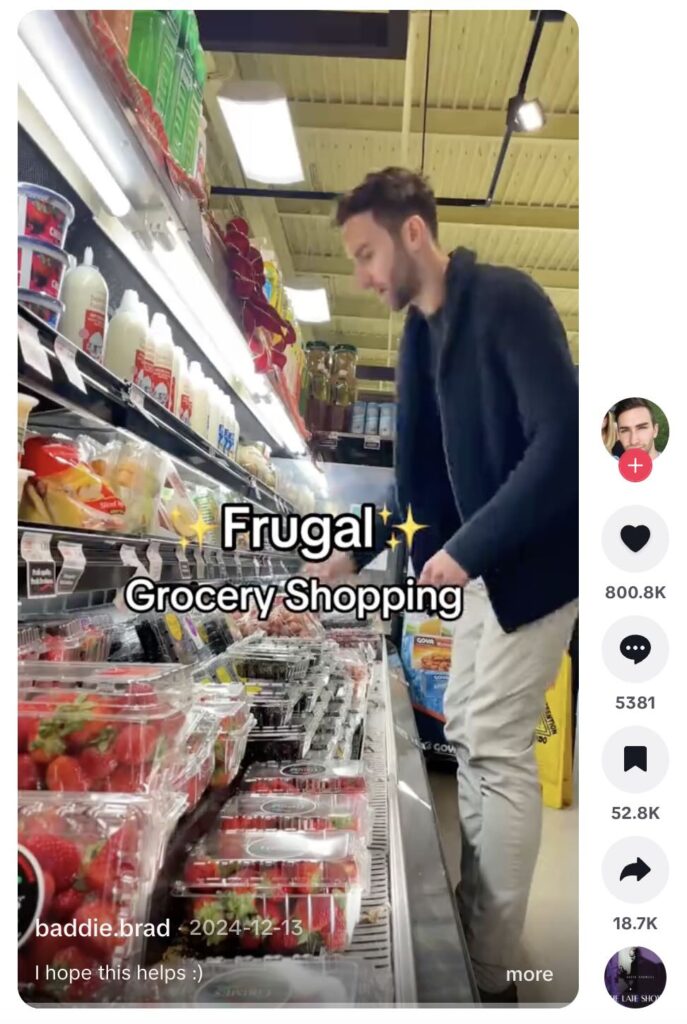
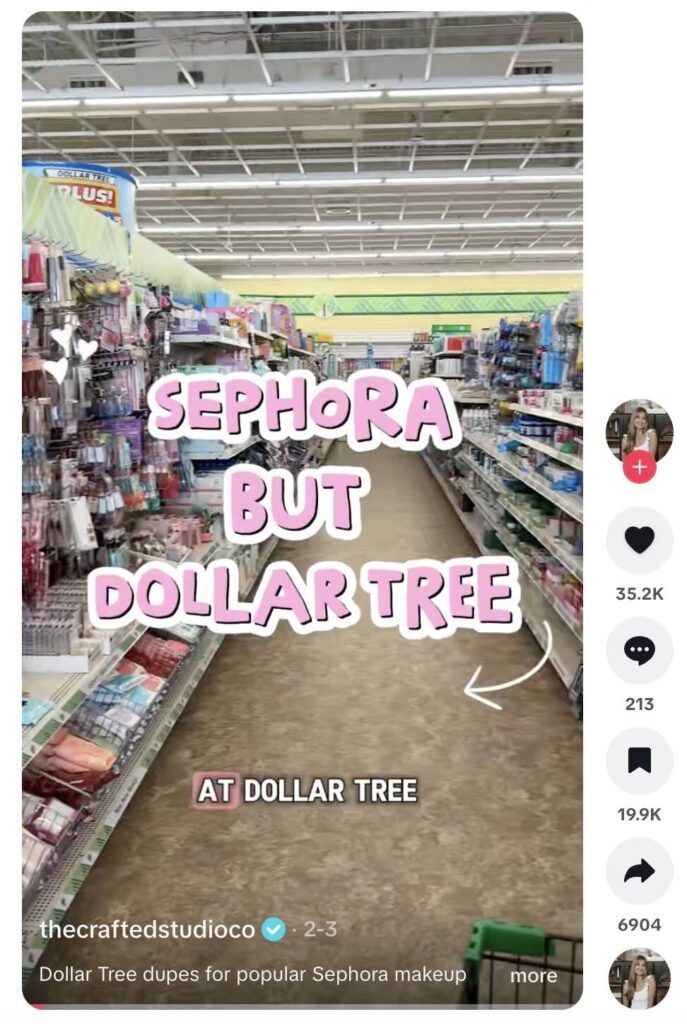
But in today’s economic climate, the influencer storytelling playbook is being rewritten with an emphasis on price and sticking to a budget. Dollar Tree has been rebranded by customers as “Sephora on a budget.” Aldi hauls are going viral with the same enthusiasm as clothing try-ons. Shein’s beauty brand became a Gen Z favorite and is now in-stock at Kmart. Even the Staples Baddie’s meteoric rise is rooted in love for the brand’s affordable office supplies.
We’re back with the latest edition of our series, @Me Next Time, where we parse through the latest trends and industry discourse. This time, we’re addressing how influencer storytelling is changing in the current landscape, and how relatability over aspiration will define the next chapter of brand-creator partnerships.
We tapped Greg Scavuzzo, influencer industry expert and Director of Product Marketing here at Sprout, to add context about what this means for marketers’ day-to-day work.
The value of influencer marketing in a down economy
Influencer marketing has transformed the way consumers shop and discover products. In Sprout’s Q2 2025 Pulse Survey, 64% of consumers said that when a brand partners with an influencer they like, they’re more likely to buy from that brand.
In fact, almost one-third of consumers have bought a product or service directly through an influencer’s sponsored post, per the Q3 2025 Sprout Pulse Survey. This metric rises dramatically for Gen Z (53%) and millennials (48%).
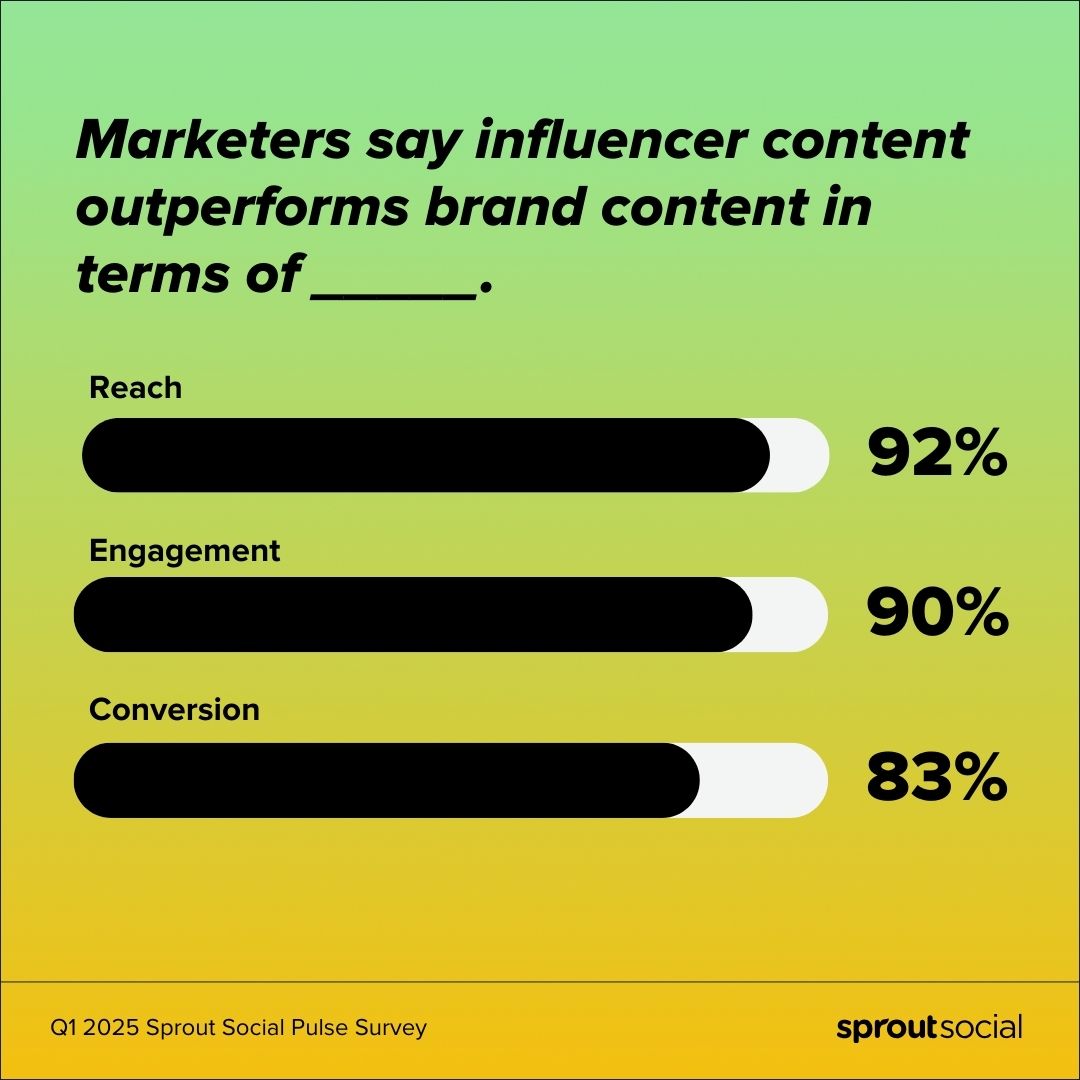
Marketers agree almost unanimously that influencer content outperforms brand social posts. According to the Q1 2025 Sprout Pulse Survey, 83% say that influencer posts deliver more conversions, on average, than anything posted from the brand account.
Scavuzzo underscored the value influencers deliver by giving brands the flexibility to tell more stories with their products. “When a brand team goes into a studio and shoots social content for their new product launch, they’re producing a handful of polished, product-focused ads. But when you work with influencers, they have their own application for how the product comes to life. And if a creator’s niche is creating discoverable budgeting content, they will reimagine your product in a way that resonates with price-conscious consumers.”
This is why influencer content continues to perform, even when consumers are discerning with their budget. The same Q2 pulse survey found that 43% of Gen Z and 36% of millennials are more likely to buy something they discovered on social in this economic climate.
Consumers, especially younger shoppers, trust what they learn about a brand on social more than other search and research methods. The aforementioned Q3 pulse survey found that 36% of consumers say they trust social media—including Reddit threads, TikTok and their favorite influencers’ posts—more than traditional search engines and AI chatbots. This rises to 51% for Gen Z and 44% for millennials.
Bottom line: People trust people. As consumer spending trends down overall, social media is a reliable resource for finding quality products for less and getting the best recommendations from creators.
Key components of influencer storytelling right now: Out with aspiration, in with relatability
The style of influencer marketing resonating today isn’t the same as it was a decade ago, and that should influence how brands build influencer partnerships. Macro-influencers are accused of being “out of touch” and chasing celebrity, while relatable, niche creators are building loyal followings and making products go viral.
“People used to follow aspirational figures on social—influencers with lifestyles they aspired to live. So marketers focused solely on factors like audience size, demographics and aesthetic. Now, the social media experience is solely engineered around the topics you’re interested in based on what you engage with most,” Scavuzzo explained.
The attention economy, creator economy and actual economy are inextricably linked. Consumers spend money when the right influencers get their attention. In the current landscape, these individuals are knowledgeable peers instead of public figures living a luxurious lifestyle. They typically offer money-saving hacks, recommend dupes or find investment pieces that will save their followers money long-term.
Scavuzzo added, “Most consumers prefer to see creators living a lifestyle that looks close to their own. Relatability is the reason why consumers trust influencers more than brands today, and why influencer content leveraged across marketing channels—including organic and paid—tends to outperform traditional, studio-produced content.”
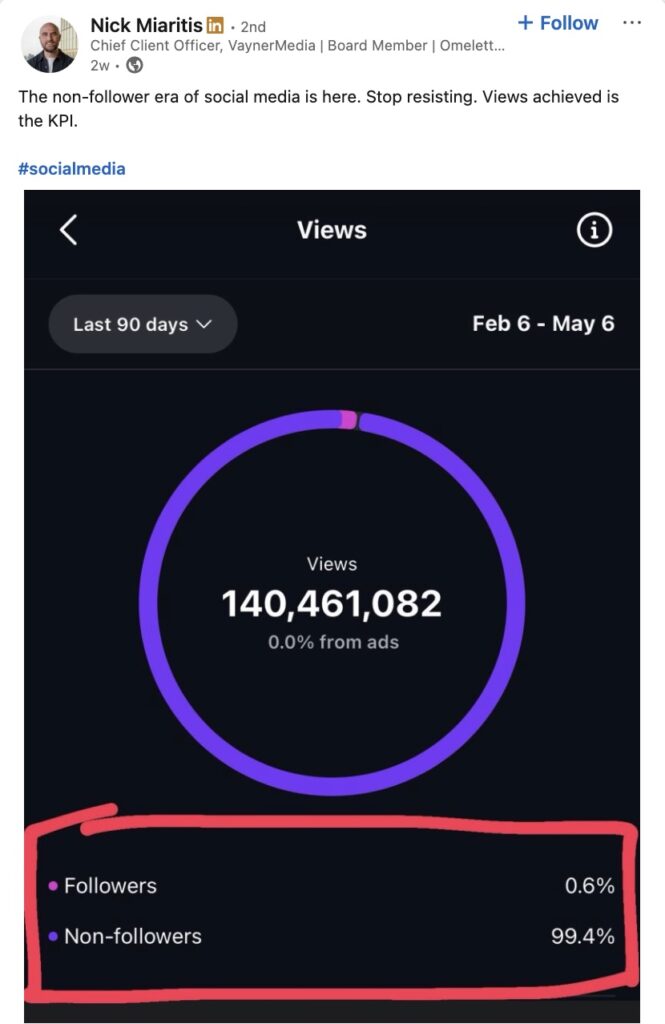
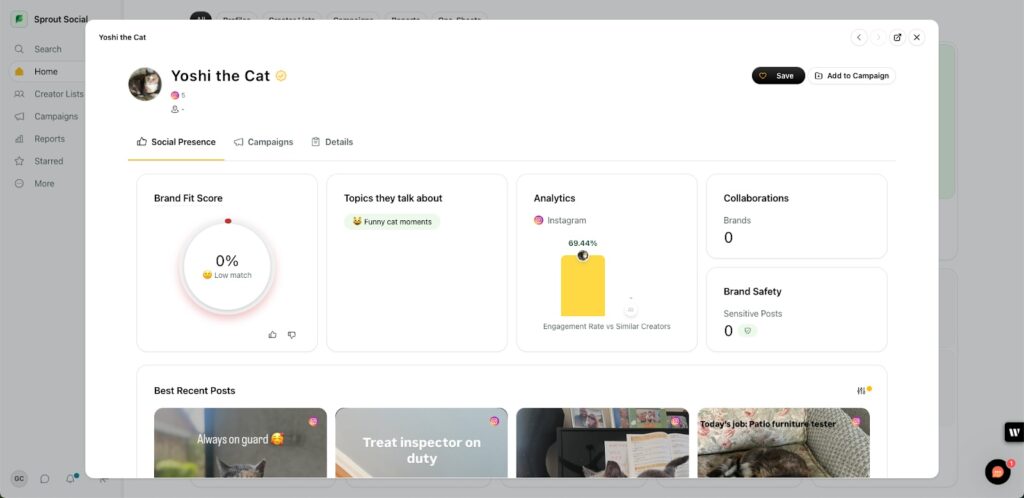
But how can marketers find creators with this niche expertise and content style? Scavuzzo has an answer. “Follower count is trumped by discoverability potential. With the right influencer partners, your content is more likely to be engaged with, which leads to more algorithm distribution and being put on discover feeds. Look for creators whose content is aligned to a specific topic, and who can contribute to a low cost per view (CPV) by producing content with a high engagement rate. For example, with Sprout Social Influencer Marketing, you can get a sense of topic expertise and build CPV projection when looking at Influencer Marketing Profiles.”
Examples of standout influencer storytelling with budget at the forefront
Here are a few examples of brands working with budget-savvy influencers to inspire your next campaign.
Aldi
The supermarket giant has gained a loyal following with shoppers looking to cut costs as the price of groceries continues to rise. Some creators have gone as far as creating accounts dedicated to their Aldi finds and deals. Like creator @AldiGirlUSA, a passionate fan known for sharing her Aldi hauls and favorite recipes (all ingredients purchased from Aldi, of course). She even planned an Aldi-themed birthday party.
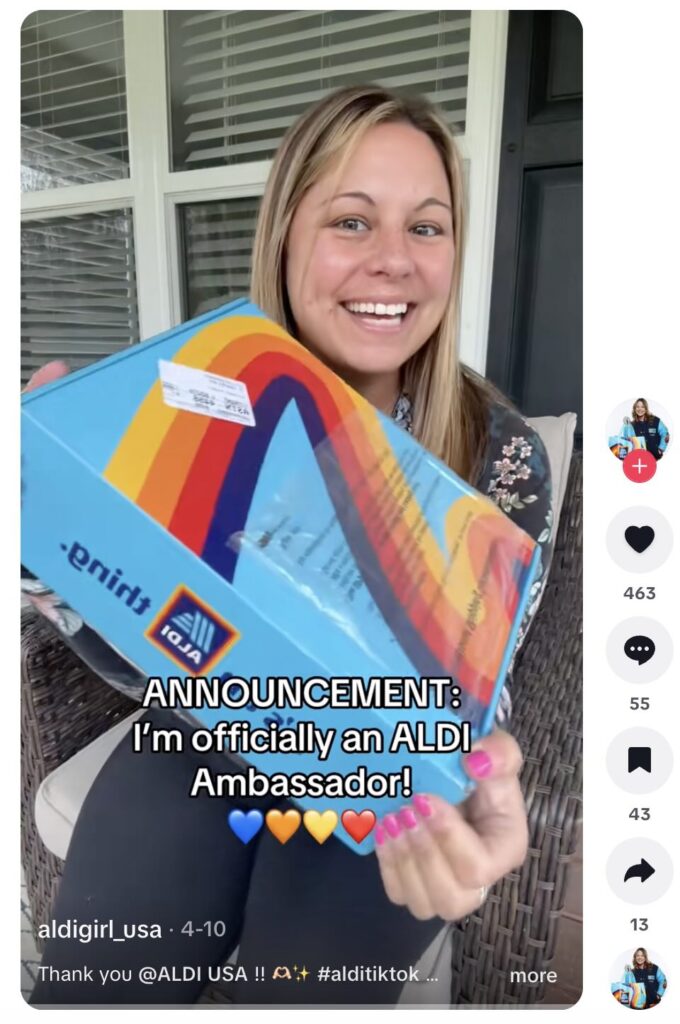
The brand recently made @AldiGirlUSA an official partner in a post she shared that received 6,000 views and comments like, “This is so well deserved.” The partnership is part of a larger ambassador program the brand launched to connect with niche content creators who showcase their shopping runs and cost savings.
Dollar Tree
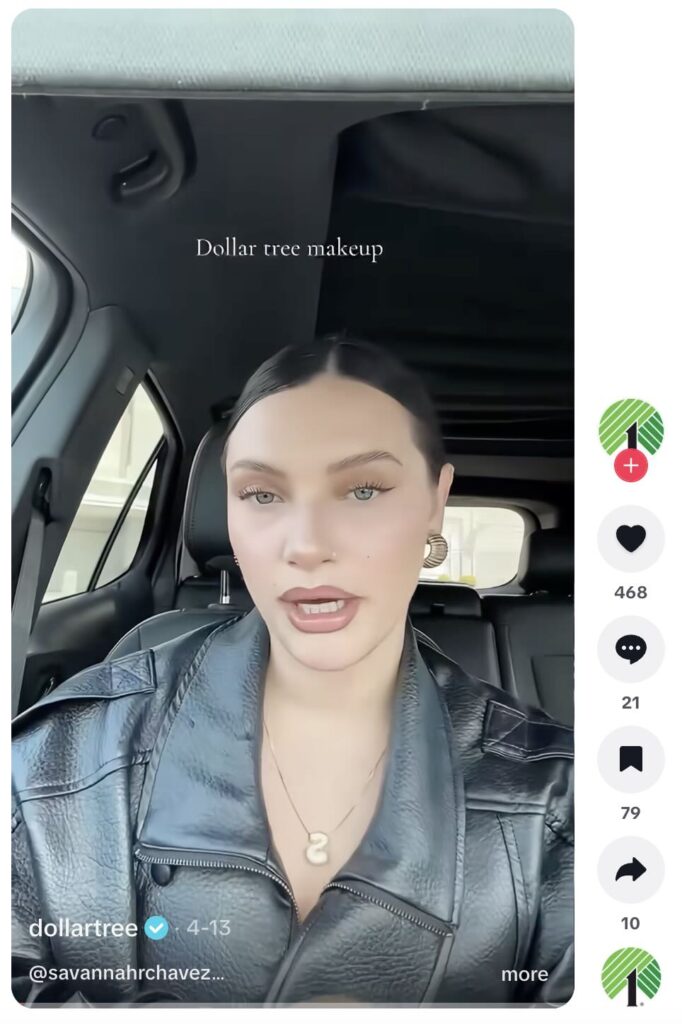
As mentioned, Dollar Tree recently went viral for their shelves full of Sephora dupes. The brand was quick to get in on the hype, and reshared content from creators like @TinaKingHairstylist, a beauty creator who describes herself as “a baddie on a budget.” In a video posted from this creator on the brand account, she shares her favorite Dollar Tree skincare products and how she uses them.
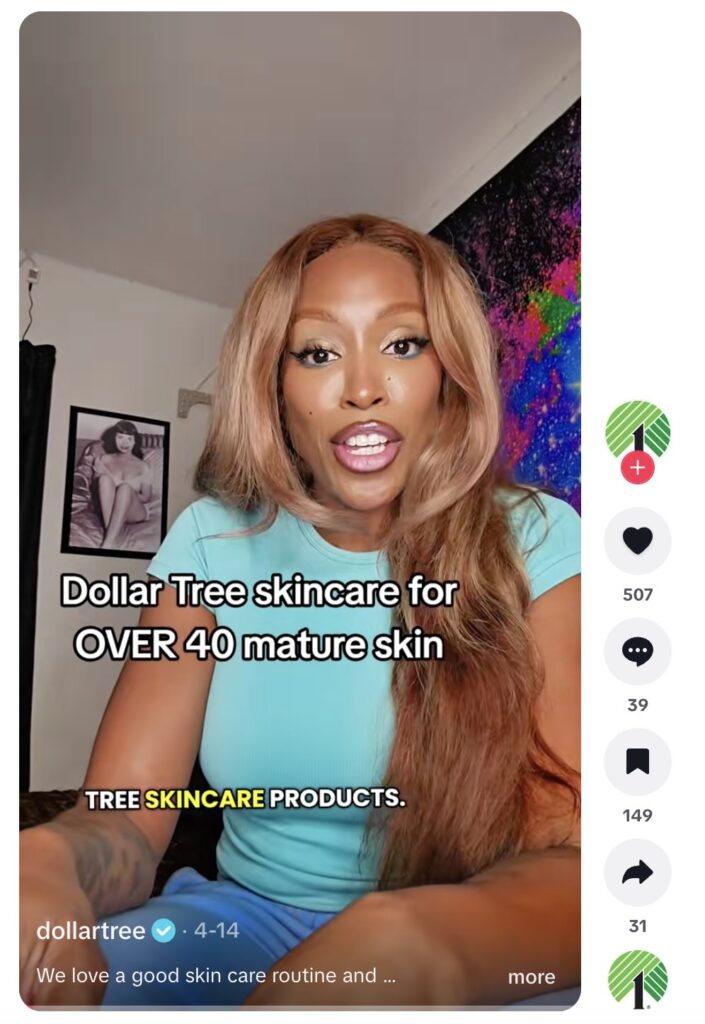
In another video posted on the Dollar Tree TikTok, creator Savannah Chavez shares every product she used from the store to get her clean girl makeup look. One user commented, “Proof that you don’t need to spend a lot to look like a million bucks!”
Eye Buy Direct
Influencerchella—ahem, we mean Coachella, is a massive gathering of influencers. Many of these creators stay in brand content houses and document their experiences for their followers. One unexpected brand popped up at the festival this year: Eye Buy Direct. The budget glasses retailer took over the event with creator content including get ready with me videos and events hosted IRL.
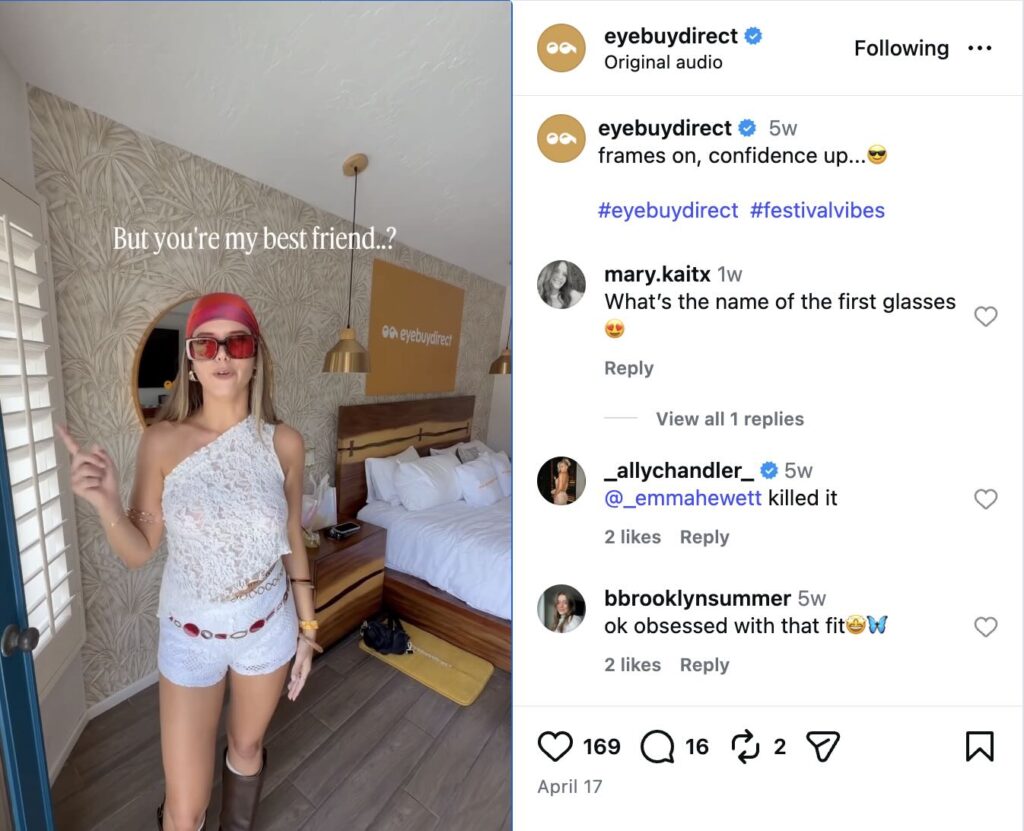
These activations were part of a larger content strategy for the brand, which regularly showcases creators doing things—from baking to crafting—while wearing their affordable, trendy frames.
Relatability is priceless
As consumers approach spending with more intentionality, influencer storytelling is evolving. Today’s most effective creator partnerships are rooted in relatability and shared experiences. Budget-conscious creators are proving that influence doesn’t come from exclusivity, but from helping audiences discover smarter ways to shop and save.
For marketers, this shift presents an opportunity to rethink what successful influencer storytelling looks like. That doesn’t mean that every influencer narrative has to scream “budget.” But it does mean that instead of prioritizing polished aesthetics or massive follower counts, brands should find creator partners with topic expertise and content that reflects how their customers actually live.
Looking for more on influencer sourcing for the new wave of creator marketing? Read our guide to finding the right influencers.
39 free social media strategy templates that will elevate your workflows
Published on August 20, 2026 Reading time 15 minutes





Share