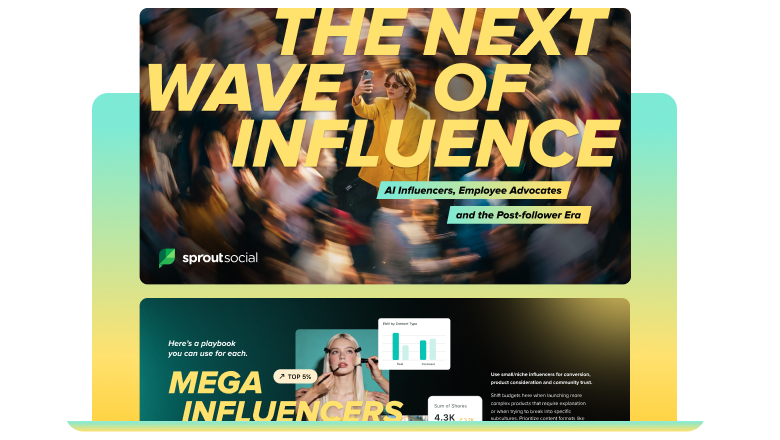
The Next Wave of Influence
The influencer marketing landscape is changing, with both its importance and its scope expanding.
As influencer marketing investments rise, what was once an experimental tactic has become a sophisticated, highly funded go-to-market framework. But marketing teams face growing pressure from leadership to demonstrate measurable ROI. Millions of dollars are wasted on partnerships that look strong on paper but fail to convert, driven by a misalignment between brands and creators and an over-reliance on traditional, follower-first sourcing playbooks.
We surveyed 2,250 consumers across the US, UK and Australia to uncover actual purchasing habits, creator tiers and evolving preferences across traditional, employee and AI influencers. We also surveyed nearly 300 social media professionals to evaluate how brand operations stack up against consumer expectations. Together, these insights provide a data-driven framework to help your team synchronize your sourcing with real consumer behavior, navigate emerging creator trends, and ensure every partnership delivers true value.
View Data Report
Key findings from the research
What you’ll find in this toolkit

Prioritize content over followers
Follower counts are no longer a reliable indicator of reach. Modern recommendation feeds decouple audience size from distribution. Only 17% of consumers check a creator’s follower count before deciding to engage and audiences prioritize subject relevance and content style.

Empower employee advocates
Internal corporate voices are proving to be powerful business drivers, with 40% of consumers discovering new products or services through employee-generated content monthly. Audiences find frontline workers significantly more authentic than polished brand accounts, though 61% of consumers believe companies should compensate employees extra for their social promotion efforts.

Navigate AI creators with caution
While generative AI technology has led to a rise in completely digital virtual influencers, the public remains highly skeptical of synthetic brand partnerships. Corporate engagement with AI influencers represents a clear risk, as nearly half of consumers (44%) express discomfort with brands using AI influencers, and a lack of transparent disclosure risks triggering a severe backlash that can permanently damage audience trust.

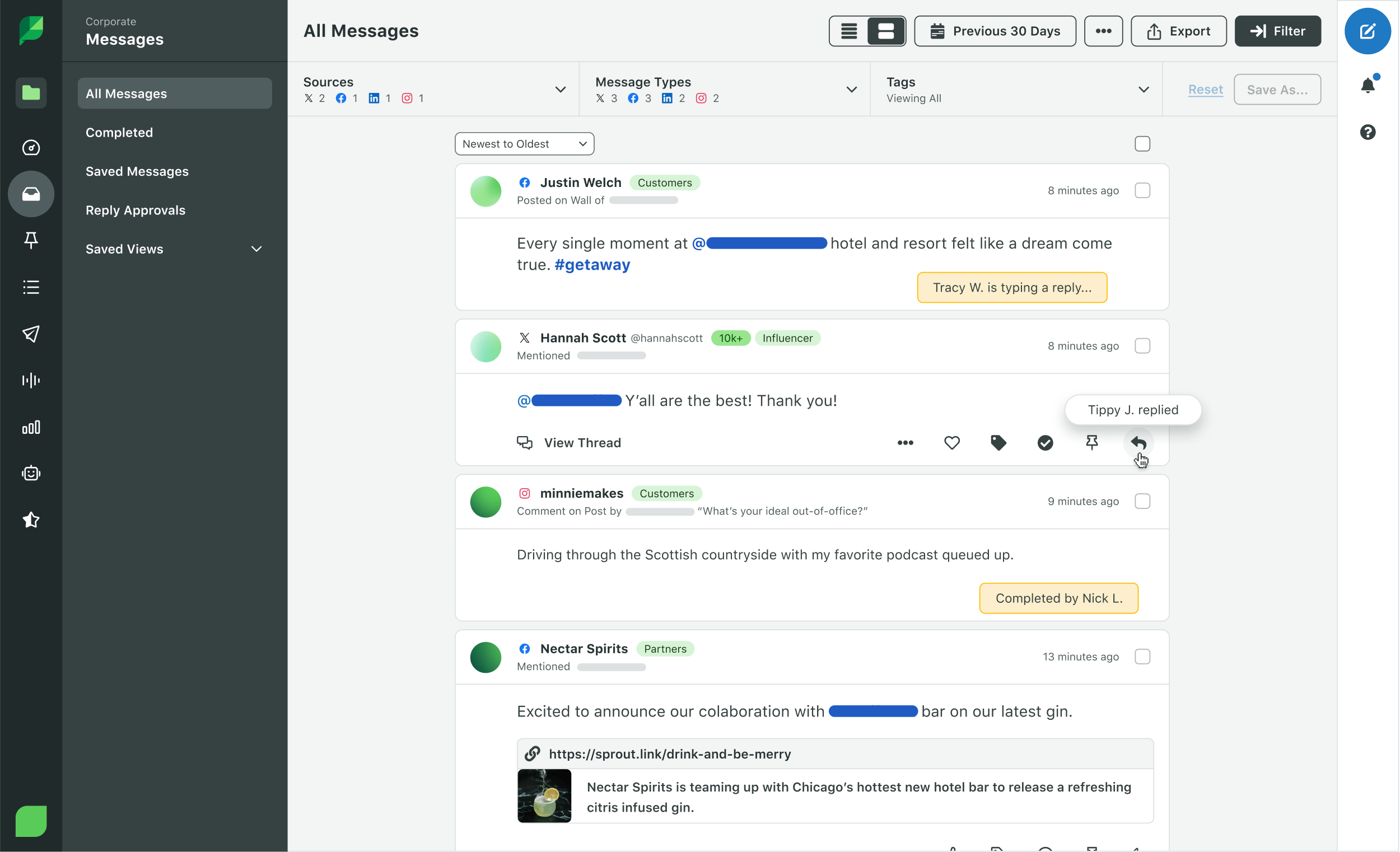
Build and grow stronger relationships on social
Sprout Social helps you understand and reach your audience, engage your community and measure performance with the only all-in-one social media management platform built for connection.
Try Sprout For Free