The ultimate social media for museums guide

Written by Mary Keutelian
Published on July 29, 2026
Reading time 21 minutes
Table of Contents
Museums sit on some of the richest content in the world. Social media for museums transforms that content into digital experiences that attract new visitors, re-engage past ones and build a community that extends far beyond your physical walls.
The Broad Museum pairs exhibit photography with deep contextual information—giving followers a reason to visit, return and share. That’s the social media trifecta for cultural institutions.
The platforms your museum chooses determine the audiences you reach, the content you create and the results you measure. Whether you’re starting from scratch or refining an existing presence, a clear social media marketing strategy for museums gives you the framework to make smarter decisions about where to invest your time and how to prove the value of that investment to leadership. This guide helps you make those choices with clarity and build everything that follows from a foundation that lasts.
This guide covers everything you need to build a social media strategy that works for your institution: choosing the right platforms, building your strategy, planning content that performs, optimizing your profiles, running a content calendar, managing your community, measuring results and auditing your progress. Skip ahead to the section most relevant to where you are right now.
Why social media matters for museums
Social media isn’t a supplementary channel—it’s the primary space where audiences decide if your institution is worth their time. It’s where museums build discovery, community and cultural relevance in real time.
Museums hold a structural advantage most brands spend years trying to manufacture: compelling stories, stunning visuals, deep subject-matter expertise and visitors who want to share their experiences. Social media transforms those existing assets into a continuous presence that drives impact before a visit, during a visit and long after someone walks out the door.
Data from our 2025 Sprout Social Index™ report shows 81% of consumers say social media compels them to make spontaneous purchases multiple times per year or more—and that same impulse drives museum visits, memberships and donations. That presence connects to the goals your institution already prioritizes:
- Increasing attendance and promoting exhibitions and events
- Deepening ties with your local and global community
- Supporting memberships and donation campaigns
- Answering visitor questions and managing expectations
- Keeping your institution part of everyday cultural conversation
Social media isn’t about chasing trends. It’s about securing a competitive advantage by showing up where your audience already spends time—giving them a reason to think of you, talk about you and return.
The rest of this guide gives you a practical path forward: choosing the right platforms, building a strategy that fits your team, planning content that performs, managing community engagement and measuring results that resonate with leadership.
The best social media platforms for museums
Museums that try to be everywhere end up being effective nowhere. The winning move is to focus on the platforms that match your audience, your resources and your content strengths, then commit to them fully.
Here’s a breakdown of the platforms that deliver the most value for museums and how to use each one well.
| Platform | Best for | Top content types |
|---|---|---|
| Local and regional audiences, event promotion | Event listings, community updates, visitor Q&A | |
| Visual storytelling, brand building | Feed imagery, Reels, Stories, Highlights | |
| TikTok | Education and entertainment, younger audiences | Curator videos, behind-the-scenes, “did you know” moments |
| YouTube | Long-form programming, on-demand archives | Exhibition tours, artist talks, conservation deep-dives |
| Discovery and travel planning, evergreen traffic | Themed boards, collection highlights, local travel guides |
Facebook for museums
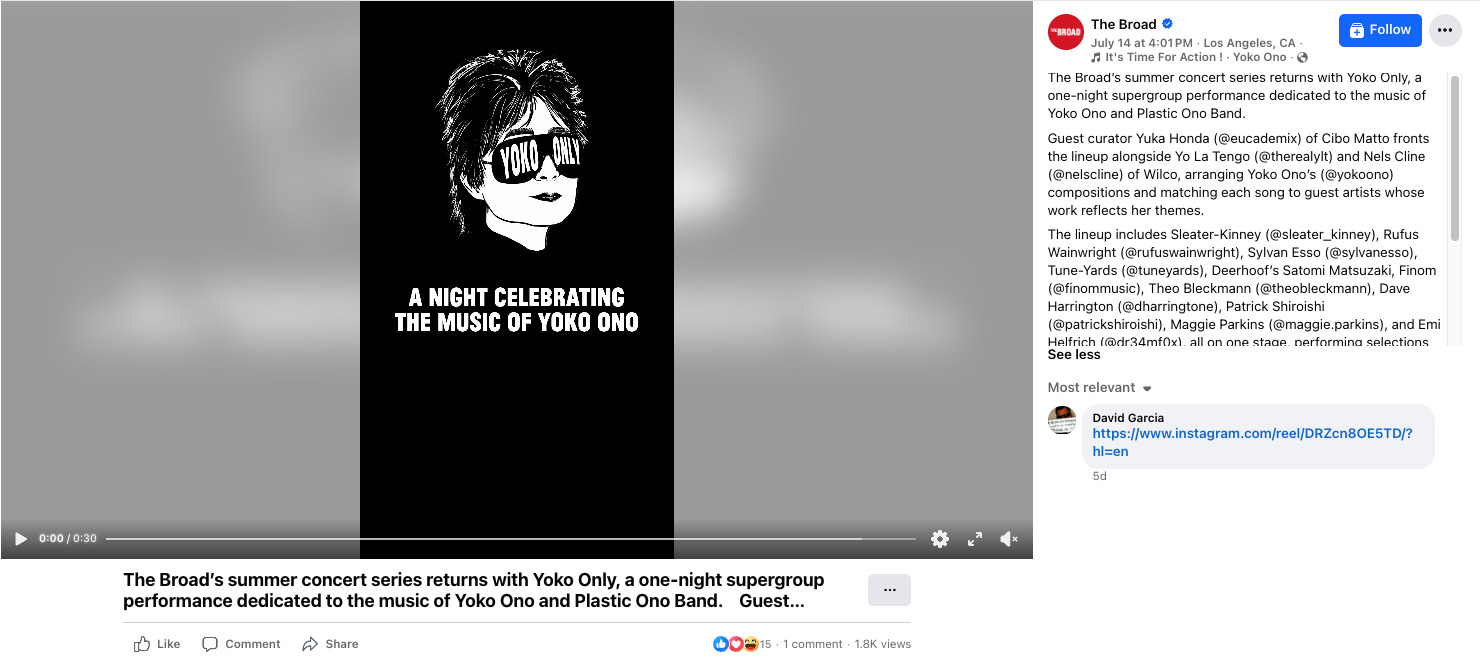
Facebook remains one of the most powerful platforms for museums with local and regional audiences. It’s where people discover upcoming exhibitions, check event details and ask practical questions before they visit.
Use Facebook to:
- Promote public programs and upcoming exhibitions
- Share community updates and institutional news
- Handle visitor service inquiries in real time
- Drive attendance to openings, lectures and family programs through its native event features
Local discovery is a direct benefit: people searching for things to do in your city will find you here.
Instagram for museums
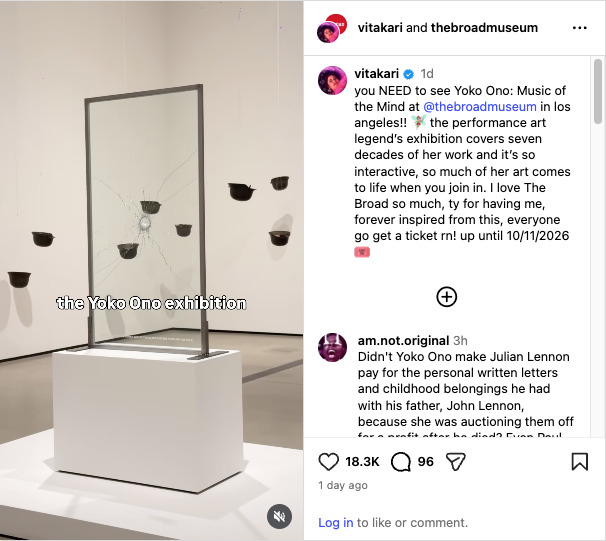
Instagram is built for visual storytelling, which makes it a natural fit for museums. Collections, architecture, exhibition installations and visitor moments all translate powerfully to the platform.
Each format serves a distinct purpose:
- Feed: Polished, high-quality imagery that reflects your brand identity
- Stories: Real-time updates, behind-the-scenes glimpses and interactive polls
- Reels: Short, engaging clips of collection highlights or curator commentary that outperform static posts in discovery
- Highlights: Permanent categories like “Current Exhibitions,” “Visitor Tips” and “Behind the Scenes” that let new followers explore your museum at their own pace
TikTok for museums
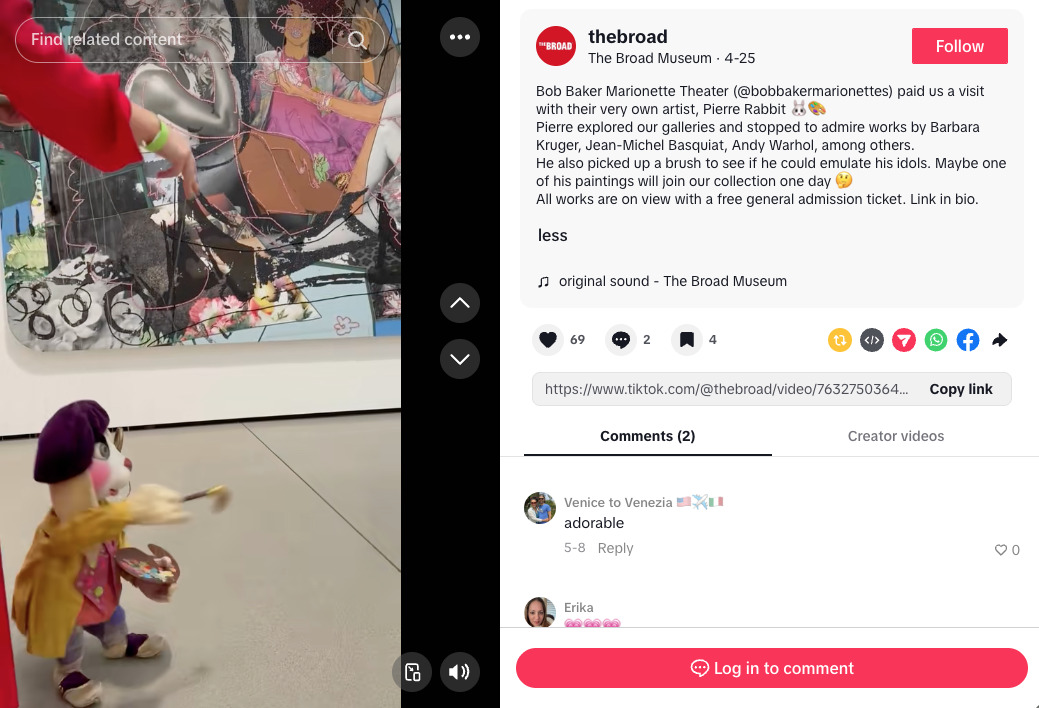
TikTok rewards personality, curiosity and storytelling, three things museums have in abundance. Curator-led videos, conservation reveals, “did you know” moments and behind-the-scenes access all perform well here.
The key is a human voice. TikTok audiences respond to people, not institutions. Put your staff in front of the camera to build a following that cares about your mission, not just your collection.
YouTube for museums
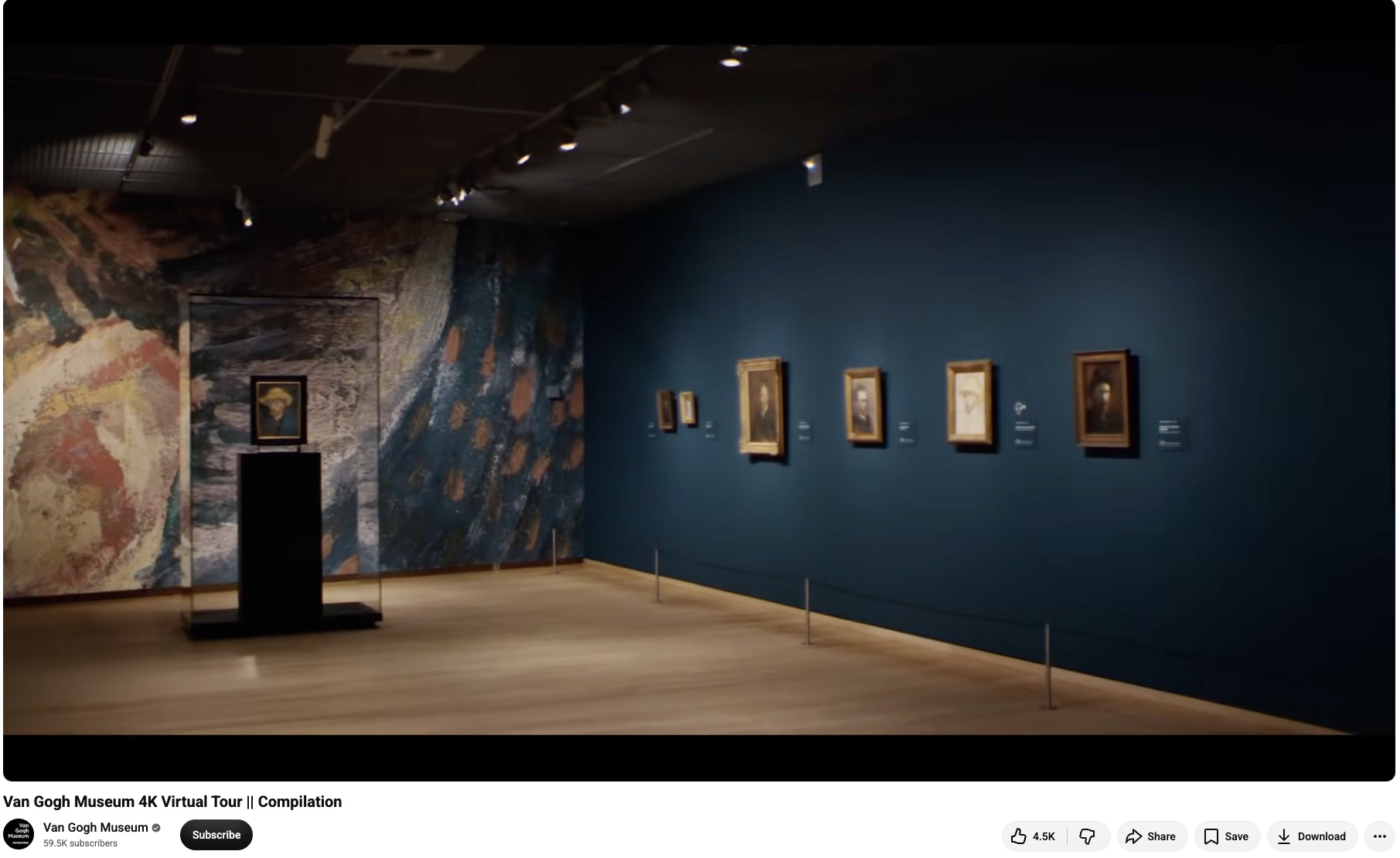
YouTube is where longer-form content earns its place. Exhibition tours, artist talks, conservation deep-dives and recorded public programs all belong here. It’s content that deserves more than 60 seconds to breathe.
Think of YouTube as your museum’s on-demand archive. Visitors who can’t attend in person still experience your programming. Researchers, educators and curious people around the world find your content through search, extending your reach far beyond your physical walls.
Pinterest for museums
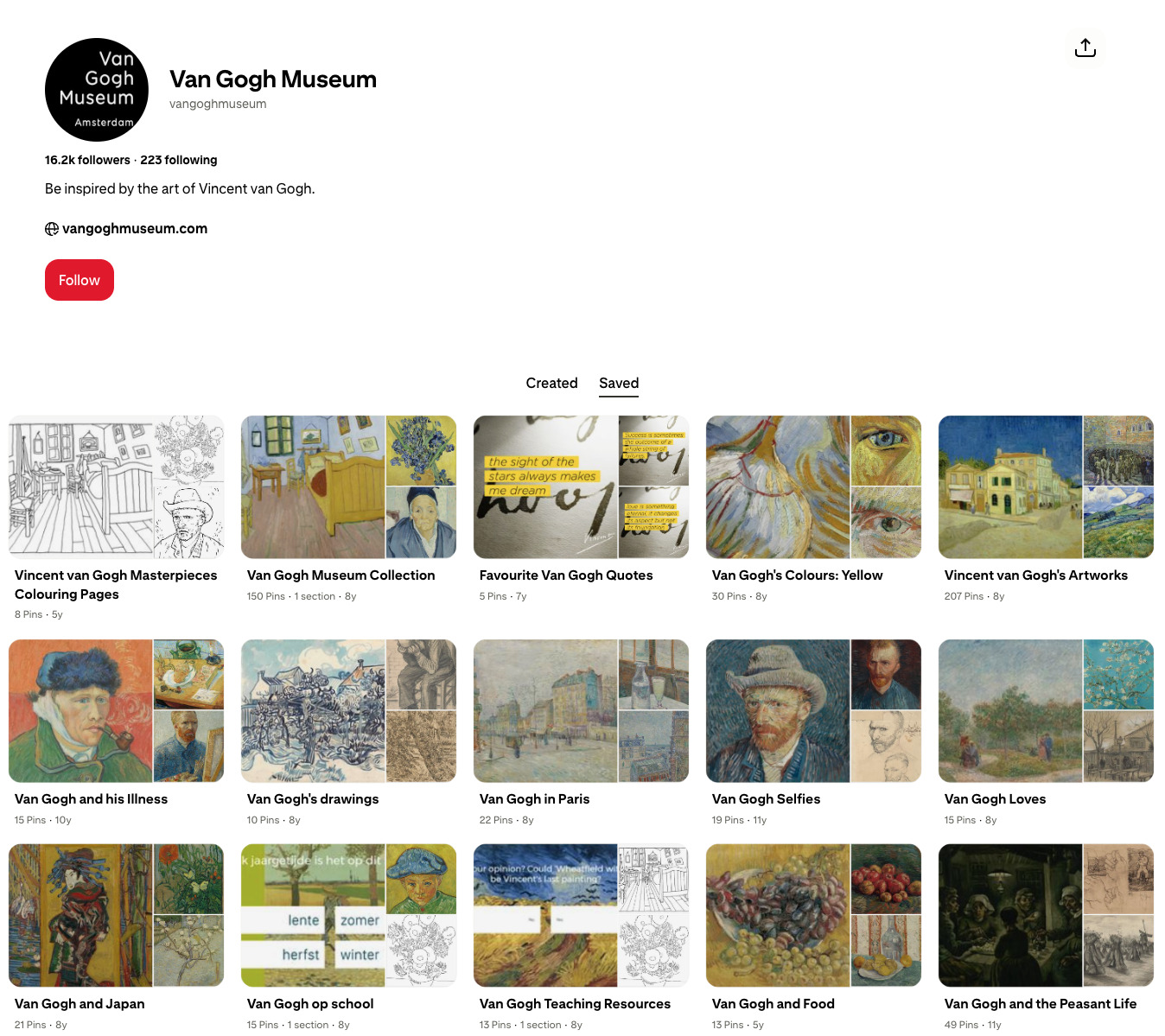
Pinterest functions as a discovery engine for visual inspiration. People use it to plan travel, explore art movements and save ideas for future visits, which makes it a natural fit for social media for museums.
Create themed boards around your collections, architectural details, exhibition themes and local travel guides. Pinterest content has a long shelf life compared to other platforms, meaning a well-organized board drives traffic to your website for months after you publish it.
You don’t need to be on every platform. Choose two or three that align with your audience, your team’s capacity and the content you produce well. Fewer platforms executed with focus and consistency will always outperform a scattered presence across all of them.
How to build a social media strategy for museums
A strong social media strategy for museums starts with clarity, not content. Before your museum posts a single photo or schedules a single reel, know who you’re talking to, what you want to achieve and how your team will execute it together.
Understand your museum’s audience
Your museum serves multiple audiences at once and each has different motivations for engaging with you on social media. Map out the groups that matter most to your mission before you create a single post.
Common museum audiences include:
- Local families looking for weekend activities
- Tourists researching what to do in your city
- Students and educators seeking curriculum-aligned content
- Members and donors who want to feel connected to your work
- Researchers and enthusiasts passionate about your collection
Each group responds to different content, different platforms and different tones. Know who you’re speaking to before you decide what to say or where to say it.
Set social media goals for your museum
Vague goals produce vague results. Tie your social media objectives to outcomes your leadership team cares about: attendance, membership growth, community engagement and mission awareness.
For museums, meaningful goals look like:
- Increasing attendance for a new or traveling exhibition
- Growing membership sign-ups or renewals
- Building community engagement around programs and events
- Supporting visitor services by answering common questions proactively
- Raising awareness of your museum’s broader mission and impact
When your goals are specific, every post either serves a goal or it doesn’t. That clarity makes it far easier to prove the value of social to leadership, and your goals must account for responsiveness as a measurable outcome, not just an operational habit.
Find your museum’s voice on social
Museums carry real authority. You house expertise, history and stories that people can’t find anywhere else, and your social voice must reflect that without sounding like a press release.
The strongest museum voices on social are informed, warm and human. They share knowledge with enthusiasm, invite curiosity rather than lecture and speak to people, not at them. Guide your voice with these principles:
- Write the way a knowledgeable friend would explain something fascinating
- Avoid jargon that excludes casual visitors
- Let personality show. Your institution has a point of view, so use it.
- Stay consistent across platforms, even when the format changes
Your voice is one of the most powerful tools you have for building a loyal, engaged community. Develop it intentionally and protect it fiercely.
Create an internal communication strategy
Social media doesn’t live in a silo. The best museum social teams work closely with curators, educators, visitor services and leadership to keep content accurate, timely and aligned with what’s happening across the institution. Build a simple internal process that answers these questions:
- Who approves content before it goes live?
- How does the social team get information about upcoming exhibitions and events?
- Who is the point of contact in each department for fact-checking?
- How does leadership communicate priorities to the social team?
When internal communication works, social moves faster and makes fewer mistakes. Invest in the process early, before a missed deadline or a factual error forces you to.
Write social media guidelines
Guidelines aren’t bureaucracy. They’re the guardrail that lets your team move faster with confidence. A practical set of social media guidelines for your museum should cover:
- Brand voice and tone with real examples
- Platform-specific rules and best practices
- How to handle sensitive topics, complaints or crises
- Image and accessibility standards, including alt text requirements
- Approval workflows and publishing permissions
When everyone on your team works from the same playbook, your social presence stays consistent, even when staff changes or multiple people are posting.
Unify your museum marketing
Social media is most powerful when it operates as a core pillar of your overarching museum marketing strategy. Build your social calendar around your museum’s broader marketing calendar so exhibitions, events, campaigns and membership drives all receive coordinated social support.
When a major exhibition opens, social amplifies it. When a community event is coming up, social builds anticipation. When a campaign launches, social carries the message. This alignment makes your museum feel cohesive and intentional to the people following you, and that consistency turns casual followers into loyal visitors and members.
What to post: Museum content that actually converts
Your collection, your people and your behind-the-scenes moments are the content pillars that drive real museum visitor engagement for museums on social. Here’s a breakdown of content types that consistently perform, organized by what they do for your audience and your institution.
Exhibition and collection highlights
Your collection is your greatest content asset. Spotlight individual objects, artworks and installations with context that creates curiosity, not captions that read like wall labels. A close-up detail shot with an unexpected fact, a short video walking through an installation or a carousel revealing the story behind a single piece turns passive scrollers into engaged visitors.
Behind-the-scenes content
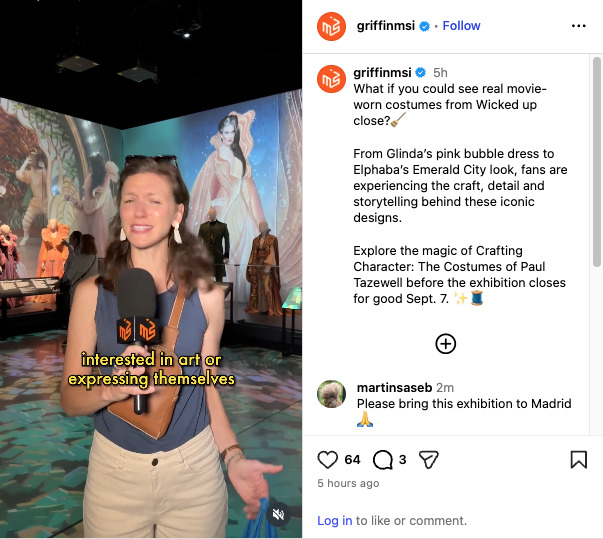
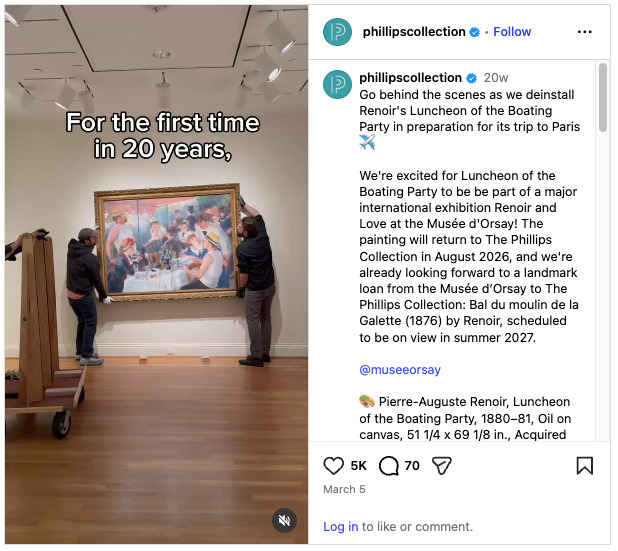
People are fascinated by what happens before the doors open. Installation days, conservation work, curatorial decisions and object handling pull audiences closer to your institution in a way that polished exhibition photography never can. These posts also build credibility because they show the expertise and craft that goes into every experience your museum creates.
User-generated content strategy
Your visitors are already creating content about you. Reposting tagged photos, visitor reactions and community moments rewards the people who share and signals to everyone else that your museum is worth experiencing. Monitor your tagged posts and branded hashtags consistently. When you share visitor content, you make your audience part of the story, and that’s one of the most effective trust-building moves on social.
Educational content
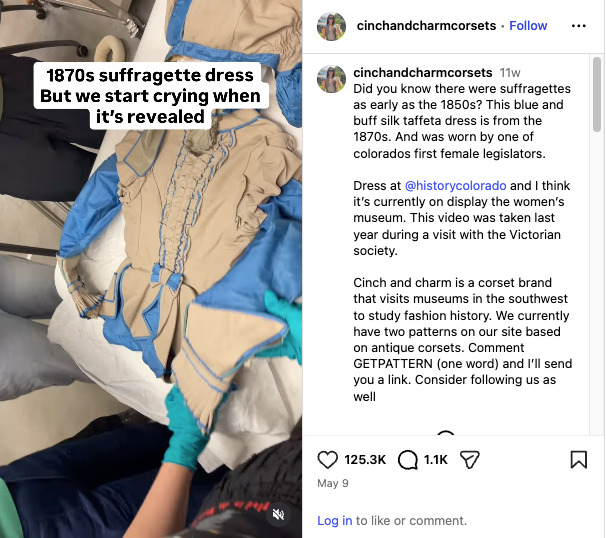
Museums are natural educators, but educational content on social only works when it feels useful rather than academic. Short, engaging formats win here:
- Quick facts tied to a specific object or moment in history
- Short explainer videos that answer a question your audience is already asking
- Carousel posts that break down a complex topic into digestible steps
- “Did you know?” formats that reward curiosity without requiring a long read
The test is simple: would someone share this because it made them feel smarter? If yes, publish it.
Hashtag strategy and hashtag holidays
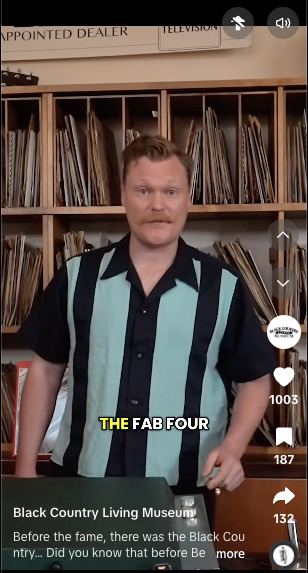
Hashtag holidays give your team a ready-made content hook, but only use them when there’s a connection to your collection, mission or audience. A natural history museum posting for Earth Day, an art museum joining an artist anniversary conversation or a science center tying into a space exploration milestone; these moments extend your reach to audiences who aren’t already following you. Build a hashtag strategy that combines branded tags, community tags and relevant trending tags, because consistency here compounds over time.
Employee and volunteer spotlights
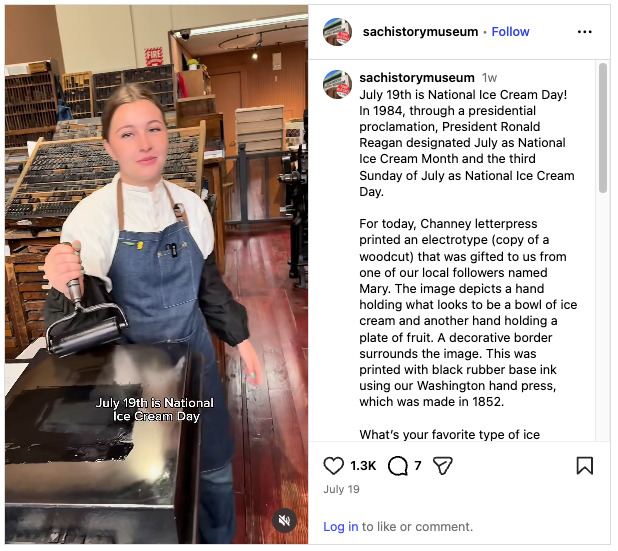
Curators, conservators, educators, front-of-house staff and long-term volunteers each carry a perspective that makes your institution feel human and credible. Spotlighting your team also builds internal culture. When staff see themselves represented on your channels, they become invested in your social presence, and that investment translates into organic advocacy.
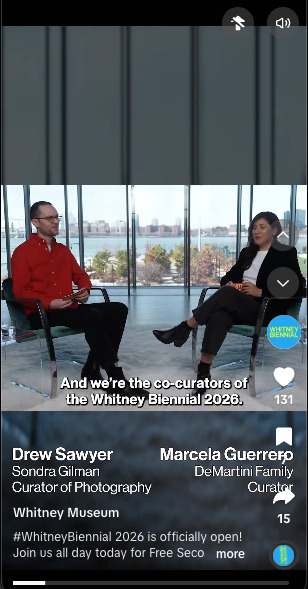
Live and video content
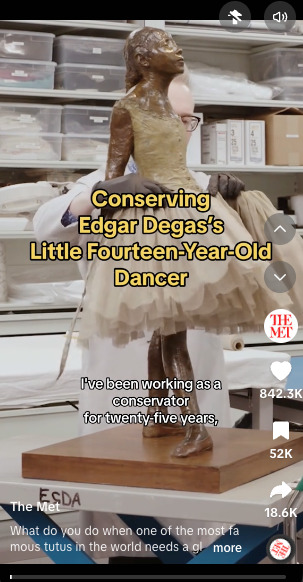
Live content creates urgency that pre-recorded posts can’t replicate. Use it for curator Q&A sessions, exhibition previews, artist conversations and event coverage—formats that give your audience access they can’t get anywhere else. Short-form video works alongside live content: a 60-second curator walkthrough, a time-lapse of an installation going up or a quick interview with an artist on opening night.
Video is where your museum’s pulse is most visible. Audiences crave authenticity, and raw, behind-the-scenes movement proves your institution is dynamic, active and worth experiencing in person.
Working with creators
Creator partnerships extend your reach to audiences who have never considered visiting a museum. Partner with creators whose interests, values and communities connect with your institution’s mission.
A creator who covers history, art, science or culture with an already-engaged audience is a far stronger partner than someone with a large following and no natural connection to what you do. Authentic fit drives authentic results and the audiences those partnerships reach are far more likely to convert into actual visitors.
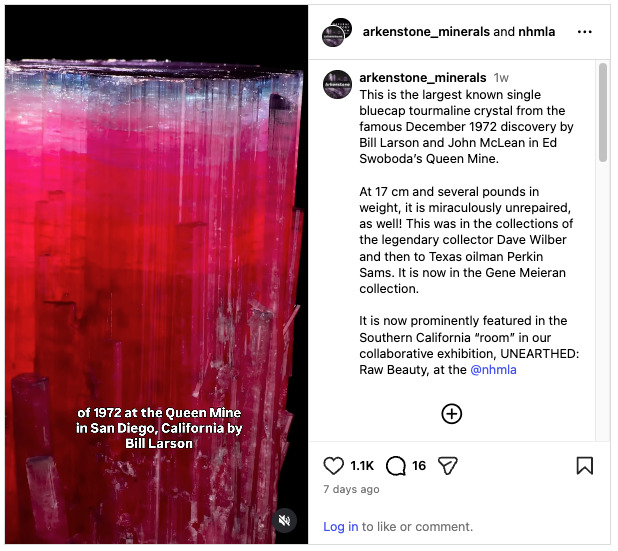
Finding creators aligned to your museum’s subject matter is the difference between a campaign that drives visits and one that drives empty impressions. Sprout Social Influencer Marketing uses AI-powered search and a Brand Fit Score to identify creators whose content, tone and audience already align with your institution’s mission—so you spend less time searching and more time building partnerships that perform.
How to optimize your museum’s social media profiles
Your social media profile is your museum’s digital front door. Before a visitor ever steps inside, they form an impression based on your bio, your profile image and your pinned links. Get these details right and you turn casual browsers into engaged followers, and followers into ticket buyers.
Make your profile clear at a glance
Your bio has one job: tell people who you are, where you are and why they should follow you. Don’t waste that space on vague mission statements or internal jargon.
A strong museum bio answers three questions immediately:
- What kind of museum is this?
- Where is it located?
- What’s in it for the follower?
Lead with your most compelling hook: a world-class collection, a beloved community institution or a one-of-a-kind experience. Then add your city and a clear reason to follow, like upcoming exhibitions or behind-the-scenes content.
Use strong visuals consistently
Your profile image and cover photo are the first visual signals your audience receives, so make them work hard. Use your logo as your profile image across every platform to build instant recognition and keep your brand cohesive as people move between networks.
For cover photos, choose imagery that reflects your current focus: a flagship exhibition, a seasonal campaign or a signature architectural detail that makes your museum unmistakable. Your Instagram grid, your Facebook cover and your LinkedIn banner don’t need to be identical, but they must feel like they belong to the same brand. Inconsistency signals a lack of care, and visitors notice.
Link related brands and accounts
Many museums operate more than one presence online. A satellite location, a traveling exhibition, a museum shop or a dedicated education program each deserves its own account, but those accounts must connect back to your main profile.
Tag and cross-link sub-brands wherever the platform allows. This builds a network of discovery, so a visitor who finds your shop account can navigate directly to your main museum profile and vice versa. When launching a special exhibition with its own social presence, make the relationship explicit. Audiences shouldn’t have to guess how the accounts are connected.
Set up profile details that reduce friction
Every piece of missing information is a barrier between your audience and a visit. Fill in every available field on every platform. People make decisions fast on social media, so your contact details, hours and ticket links must be visible in your social media bio, not buried.
Sprout Social Essentials plan includes SproutLink, a built-in link-in-bio tool that makes this seamless. By using SproutLink, you can connect your Instagram or TikTok audience directly to ticketing pages, membership sign-ups or donation forms from a single URL without requiring visitors to hunt for links.
At minimum, your profiles must include:
- Current opening hours
- Physical address with a map link
- A direct link to ticket purchasing
- Contact details for visitor inquiries
- Accessibility information
If they have to leave your profile to find your hours or ticket prices, many won’t return. Remove every obstacle between curiosity and conversion.
Tailor each profile to the platform
Consistency doesn’t mean copying and pasting the same bio across every network. Each platform has its own character, its own audience expectations and its own formatting rules.
Your Instagram bio is short and punchy. Your LinkedIn description earns a more professional, detailed tone. Your Facebook page supports longer descriptions and additional business details that Instagram doesn’t offer. Think of your brand identity as the constant and your platform voice as the variable. The core message stays the same, but the way you express it adapts to where your audience shows up.
Building your museum’s content calendar
A content calendar transforms your social media presence from reactive to intentional. Without one, you’re scrambling for ideas the morning of a post. With one, you’re telling a cohesive story that builds anticipation, deepens community and supports every goal your museum has.
Plan around your museum’s programming cycle
Your museum already has a built-in content roadmap. Map it to your social strategy by plotting your major programming milestones for the year.
- Exhibition launches: Build anticipation weeks before opening day with behind-the-scenes previews, curator spotlights and teaser content.
- Seasonal events: Align content with school holidays, summer programming and community festivals to capture peak audience interest.
- Fundraising moments: Give campaigns their own content arc of awareness, urgency and gratitude so donors feel the impact of their support.
- Community programs: Highlight workshops, lectures and family days to show your museum as a living, breathing part of the community.
When your content reflects your programming cycle, every post has a purpose. Your audience sees a museum that’s always active and always worth visiting.
Balance evergreen and campaign content
Not every post needs to be tied to a deadline. Evergreen content, including collection highlights, staff stories, historical context and visitor tips, keeps your feed valuable between campaigns.
A strong calendar mixes both. Campaign content drives urgency and action. Evergreen content builds the ongoing relationship that makes people care about those campaigns in the first place.
A simple rule: For every time-sensitive post, plan two or three pieces of evergreen content. Your feed stays lively without burning out your team.
Build repeatable content series
Recurring formats reduce creative fatigue, set audience expectations and make planning easier. Data from our Q2 2025 Consumer Pulse Survey shows 57% of social users rank original content series as a top priority for brands to produce—and museums are perfectly positioned to deliver.
Consider formats like:
- A weekly artifact spotlight showcasing one object from your collection
- A monthly “meet the team” feature introducing staff and volunteers
- A recurring “this day in history” post tied to your museum’s subject matter
- A behind-the-scenes series showing conservation, installation or research in progress
Once a series is established, your audience starts looking for it. That consistency builds loyalty and gives your team a reliable content anchor every single week.
Keep workflow realistic
The best content calendar is one your team can execute. Start by assigning clear ownership: who writes the copy, who sources the images and who approves before publishing.
Collect assets early. Build asset collection into your pre-launch checklist so content is ready when you need it, not the morning an exhibition opens.
Plan at least two to four weeks ahead. This gives your team time to review, revise and respond to anything unexpected without sacrificing quality for speed.
For lean teams and solo marketers, Sprout Social Essentials allows you to connect up to 5 social profiles, which is ideal for museums focusing their efforts on a few key platforms rather than spreading themselves too thin.
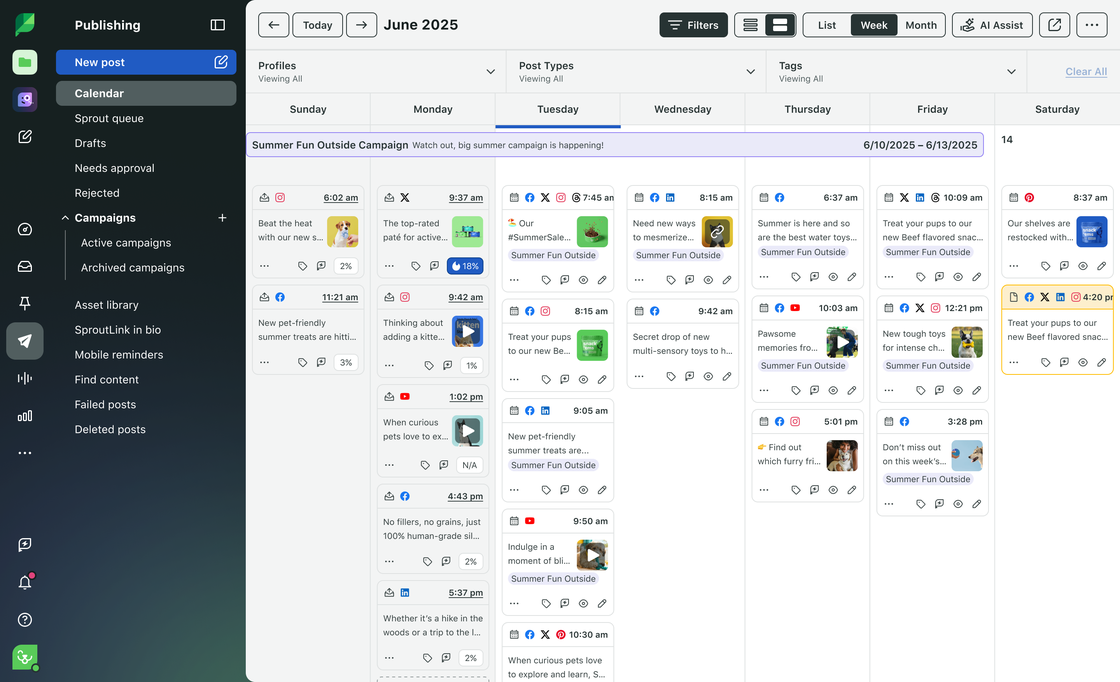
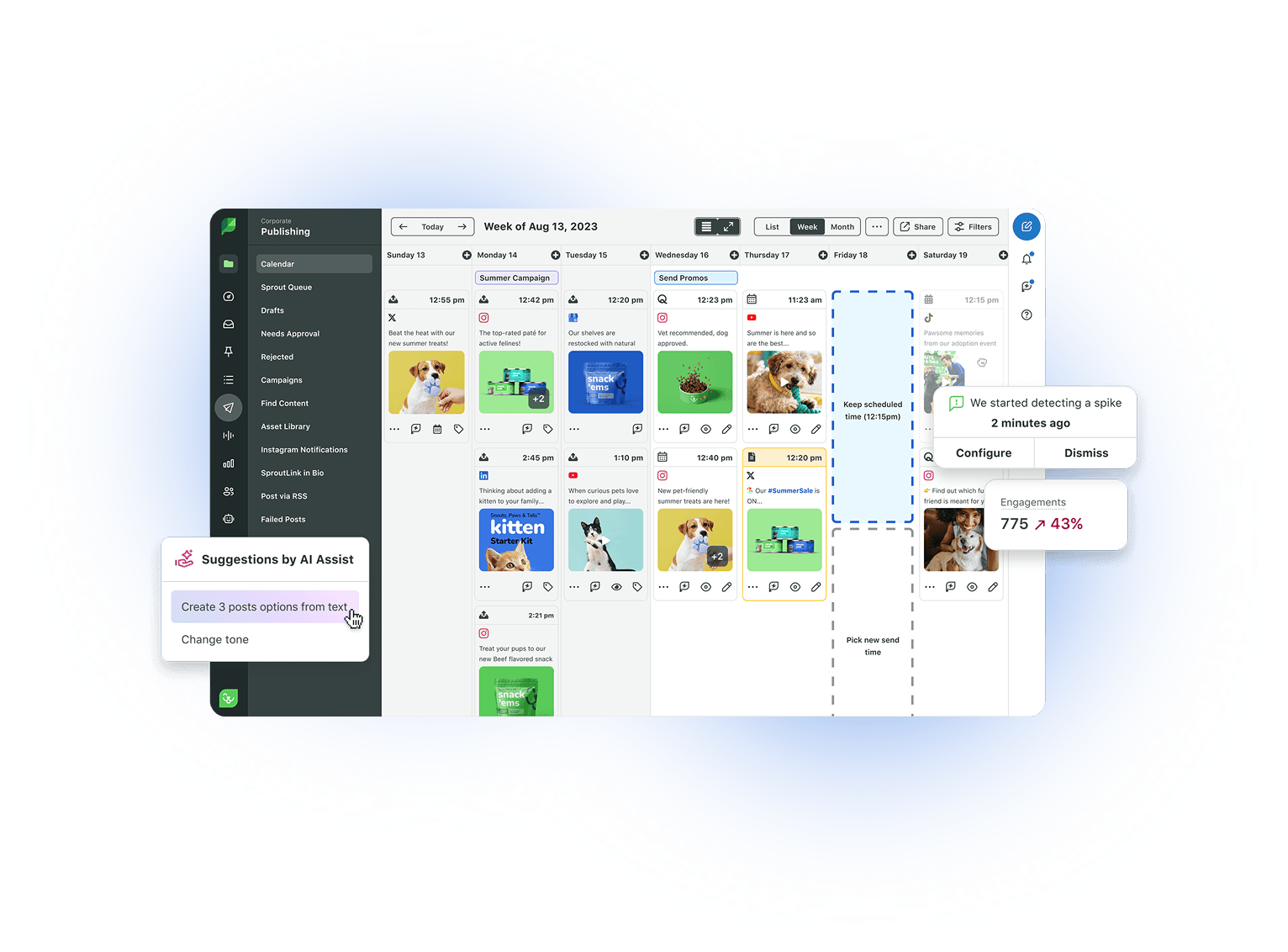
Sprout Social’s Publishing Calendar gives your team a shared view of every scheduled post across every platform—giving teams the flexibility to align on plans and ensuring your campaigns and evergreen content all live in one place.
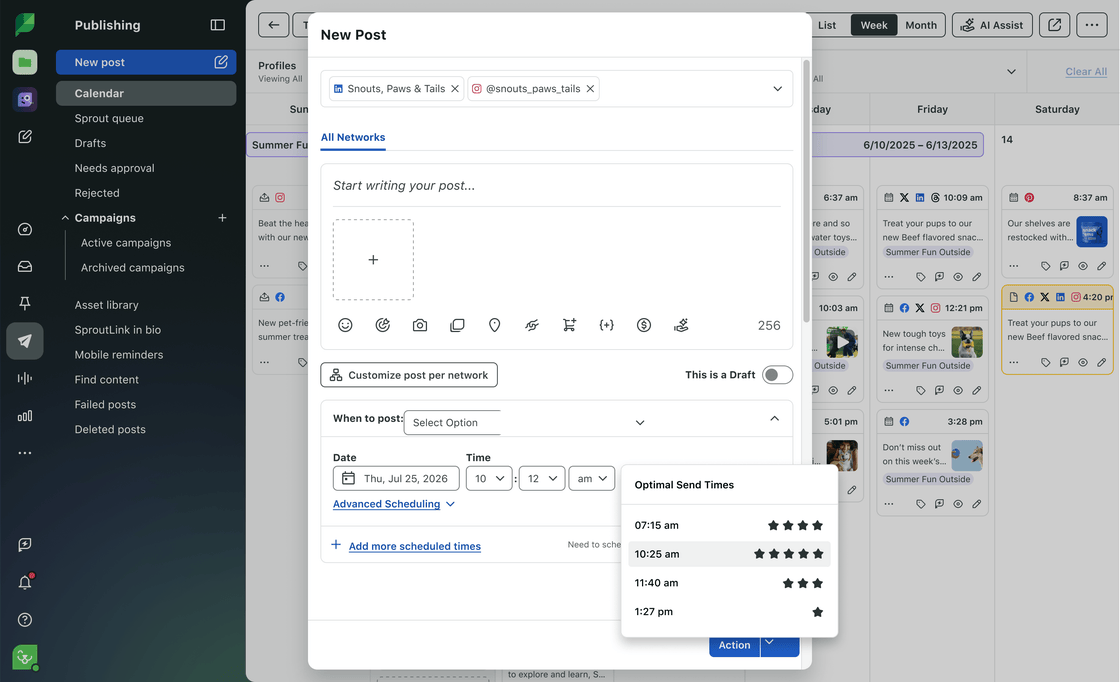
Sprout’s ViralPost® feature automatically identifies the optimal times to publish based on your specific audience’s activity—so you stop guessing and start reaching people when they’re ready to engage.
Community management for museums
Publishing great content is only half the job. What happens after you post determines whether visitors feel connected to your museum and whether they walk through your doors.
Community management is where trust gets built and continuous visitor engagement thrives. It’s the difference between a social presence that feels vibrant and one that broadcasts into a void. Here’s how to do it right.
Respond to visitor questions and comments
When someone asks about accessibility, parking, ticket prices or exhibition hours in your comments, they’re removing a barrier to their visit. Answer them quickly and helpfully.
Timely responses signal that your museum is attentive and welcoming, and they show every other person reading that thread that your team is present and cares. According to the 2025 Index, nearly 75% of consumers expect brands to respond within 24 hours or sooner. Keep these principles in mind:
- Respond within 24 hours at minimum. Faster is better.
- Use a warm, human tone that reflects your museum’s voice.
- Answer the actual question. Don’t redirect people to your website unless it’s the best resource.
- Acknowledge enthusiasm. When someone shares excitement about an upcoming exhibition, a simple reply deepens that connection.
Managing visitor messages across Facebook, Instagram, TikTok and other platforms simultaneously is where most museum social teams lose time. Sprout’s Smart Inbox consolidates every comment, DM and mention into a single feed—empowering your team to respond at the speed of social, assign messages to the right person and never miss a visitor question.
Handle negative feedback with care
Complaints happen. How you respond publicly matters far more than the complaint itself. Your audience is watching how you treat people.
The goal isn’t to win the argument. It’s to show that your museum takes feedback seriously and treats every visitor with respect.
- Acknowledge fast. A quick, calm response stops a complaint from escalating. Even a simple “We’re sorry to hear this, and we’d love to make it right” builds goodwill.
- Stay composed. Never respond defensively. Keep your tone measured and professional regardless of how the comment is framed.
- Offer clear next steps. Let the visitor know what they can do or what you’ll do. Vague responses frustrate people further.
- Move the conversation. Acknowledge the issue publicly, then take the detailed exchange to a private channel.
Work with local partners and institutions
Your museum doesn’t exist in isolation. Schools, libraries, cultural organizations and neighboring institutions share your audience and your goals, and cross-promotion with these partners expands your reach in a way that feels organic rather than promotional.
Tag a local school when you share content from their student exhibition. Repost a neighboring institution’s event when it complements your programming. These partnerships signal something important: your museum is embedded in the community, not just operating within it. That distinction builds long-term loyalty.
- Identify two or three local organizations whose audiences overlap with yours.
- Establish a simple reciprocal tagging and sharing agreement.
- Co-create content around shared events, themes or initiatives when the opportunity arises.
Protect the visitor experience
Not every conversation belongs in public. Knowing when to move a discussion to direct messages and when to escalate internally keeps your public presence respectful and useful for everyone watching.
Move conversations to DMs when a visitor shares personal details, when a complaint requires investigation or when the exchange is becoming unproductive in public. Always acknowledge the move publicly so the original commenter doesn’t feel dismissed.
Escalate internally when a complaint involves safety, legal risk or a pattern of recurring issues. Your social team shouldn’t carry those conversations alone. For disrespectful or harmful comments, a brief and calm public response is enough. Your broader audience needs to see that your museum holds its community to a respectful standard.
Measuring social media success for your museum
Publishing great content is only half the work. The other half is proving it moved the needle and translating that data into a narrative your leadership team can’t ignore. Focus on the right signals, not vanity metrics.
Focus on the metrics that match your goals
Every goal demands different measurement. Awareness goals, such as building visibility around a new exhibition or seasonal campaign, call for reach, impressions and engagement rate. Visit-driving goals demand something more specific: clicks to your ticketing page, event response signals and conversion-related actions.
Before you pull a single report, define what success looks like for each campaign. Then build your measurement around that intention.
- Awareness campaigns: Track reach, impressions, follower growth and engagement rate.
- Visit-driving campaigns: Track link clicks, ticket page traffic and event RSVPs.
- Community-building efforts: Track replies, shares, saves and direct message volume.
Track museum-specific outcomes
Generic social metrics only tell part of the story. Museums have unique success markers that go beyond likes and comments and connect to institutional goals.
Watch for these signals across your social activity:
- Ticket page traffic driven by social posts or links in bio
- Membership inquiry volume following membership-focused content
- Event awareness measured by reach and engagement on exhibition announcements
- Visitor questions answered through comments and DMs, a direct measure of community trust
- Audience growth timed around major exhibition launches or cultural moments
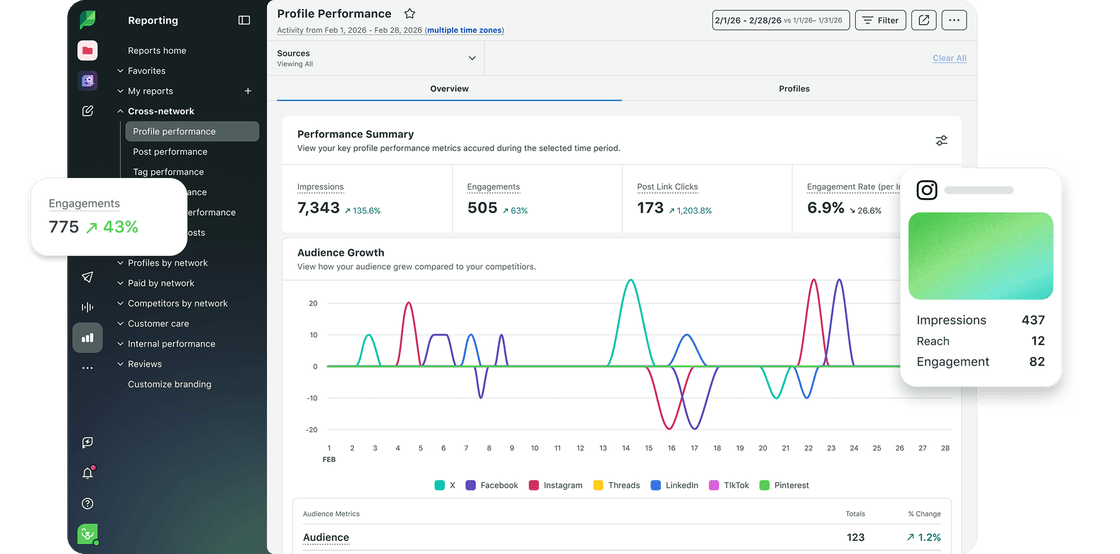
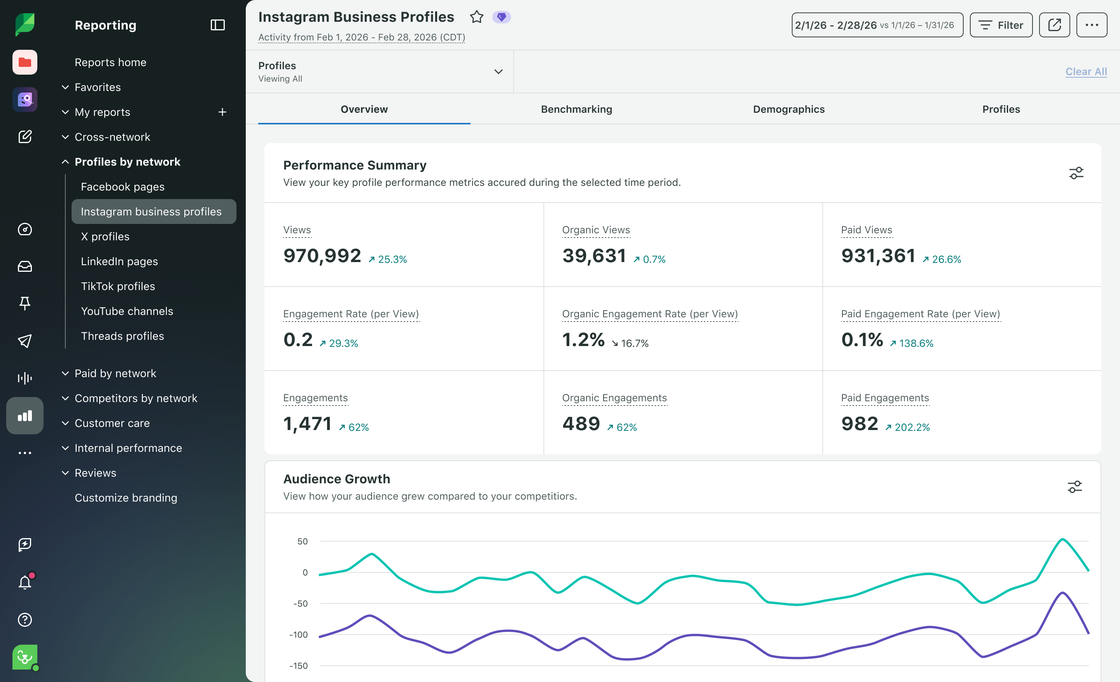
Sprout Social Essentials includes profile, post, and network-level reports to help you track exactly what is working for your specific campaigns. Additionally, the built-in Google Analytics report lets you see exactly how your social presence drives website traffic—translating data into a compelling story about ROI that directors, boards and funders instantly understand.
Data from our 2025 Impact of Social Media Report shows 56% of marketing leaders say social media drives revenue for their businesses. For museums, that revenue looks like packed exhibition halls, sold-out galas and surging membership renewals.
Report results in a way leadership understands
A list of numbers isn’t a story. Leadership needs context: what changed, why it matters and what it means for the institution.
Frame your reporting around impact, not activity. Instead of “we posted 12 times this month,” show how those posts drove traffic to the ticketing page ahead of a major opening. Instead of “engagement was up,” explain what that engagement revealed about audience interest in a specific collection.
When you connect social performance to institutional outcomes such as attendance, membership and community engagement, you establish social media as a strategic asset, not just a communications platform.
Use the foundational reporting tools in Essentials to build straightforward reports that translate platform data into the institutional language leadership uses, sharing insights without spending hours reformatting spreadsheets.
Audit your museum’s social media strategy
Before you build forward, know where you stand. A social media audit surfaces what’s working across your platforms—and what’s quietly draining your team’s time and energy.
For museums, a meaningful audit examines:
- Which platforms are driving real traffic to your ticketing page or event registrations
- Which content types, including Reels, carousels and behind-the-scenes posts, consistently outperform others
- Whether your audience demographics match the visitors you’re trying to reach
- How your response rate and response time compare to the 24-hour benchmark your audience expects
- Whether your profile details, including hours, ticket links and accessibility information, are complete and current on every platform

Block dedicated time to review your data without assumptions. What you find will sharpen every content and engagement decision that follows. Run your audit before you plan your next exhibition campaign, not after.
Start building your museum’s social media strategy
The strongest museum social strategies run on three things: a clear mission, a defined audience and a unified team. That foundation outperforms trend-chasing every time.
Your museum holds stories, objects and expertise no other brand replicates. Social media is the channel that brings those stories to people who haven’t found you yet and keeps them connected long after their visit ends.
Start with intention, not volume. The most effective museum social strategies are focused, consistent and human.
- Choose one platform priority. Go deep on the platform where your audience already spends time. Master it before expanding.
- Launch one content series. A recurring format—a weekly artifact spotlight, a behind-the-scenes conservation look or a staff Q&A—builds audience habits and makes content planning easier.
- Set one measurement goal. Tie your social activity to a real outcome: ticket sales, event registrations, newsletter sign-ups or community engagement. Define what success looks like before you start.
From there, build with the data. Add platforms when your team has capacity. Expand your content mix as you learn what resonates. Use your analytics to make faster, smarter decisions about where to invest your energy.
Social media for museums isn’t about going viral. It’s about showing up for the people who care about what you do and making it easier for new audiences to care too.
Sprout Social Essentials delivers the intuitive publishing, scheduling and reporting tools you need to move faster—starting at $79/month.
Don’t let a small team limit your strategy. Solo marketers and museum teams can manage their entire presence across all major networks—from Instagram and TikTok to Threads and Pinterest—within one centralized, collaborative calendar.
Start a free 30-day trial and discover how Essentials helps you drive impact and show up for the audiences that matter most.
FAQs about social media for museums
What social media platforms should museums prioritize?
Start with the platforms that match your audience and your content strengths, then go deep before going wide. A museum with a strong visual collection thrives on Instagram. One targeting younger, education-focused audiences finds traction on TikTok. Pick two platforms you can show up on consistently and master them before expanding.
How often should museums post on social media?
Consistency beats volume every time. Set a cadence your team can sustain, whether that’s three times a week or daily, and protect it. Your audience builds expectations around your rhythm and honoring that rhythm builds trust.
How does a small museum manage social media with limited staff?
Focus on fewer platforms, build repeatable content formats like a weekly artifact spotlight or behind-the-scenes series and plan ahead around exhibitions. A content calendar tied to your programming schedule eliminates last-minute scrambling and keeps your team moving forward with confidence.
How do museums measure the ROI of social media?
Tie your metrics to real museum outcomes such as attendance, membership inquiries, event registrations and community engagement, not just likes and impressions. The strongest cultural institutions track how digital interactions convert to physical foot traffic and financial support. Define what success looks like for your institution first, then track the numbers that connect directly to those goals.
Should museums respond to every comment and message?
Prioritize questions, service issues and meaningful community interactions. Not every comment requires a reply, but every visitor who reaches out deserves to feel heard. Set clear internal guidelines that define which message types get a response, who owns them and how fast. Sprout Social’s Smart Inbox helps museum teams manage high message volume across every platform from one place, so nothing slips through.



Share