Tomorrow talked: A recap of Sprout’s 2026 Social Intelligence Summit

Written by Benedict Nicholson
Published on November 3, 2026
Reading time 9 minutes

Table of Contents
When done successfully, social intelligence brings your day-to-day social data outside of the marketing silo and influences decisions made across the business. Sprout Social’s very first Social Intelligence Summit brought together industry leaders for a series of discussions focused on that idea, from spotting early signals to turning them into real business action.
Summit takeaways from across the sessions
- Build permission before the moment you need it: Speed is blocked by approvals, so agree on guardrails, decision owners and a checklist in advance.
- Relevance beats reactivity: Not every trend is right for every brand. Ask whether it fits, adds value and is something you can move on quickly before jumping in.
- Social intelligence should change business decisions: The best stories turned conversation into action, like all-day breakfast and the Ziploc cereal bag or Dubai chocolate.
- Translate for each stakeholder: Insights stall unless you frame them in the language and priorities of leadership, legal, product and other teams.
- People are both the signal and the megaphone: Fans, ambassadors, employees and community managers are where signals start and where you can amplify your message.
- Start small: For small teams, look to change things where you have influence.Take one signal to one team to achieve one outcome.
- AI assists while humans decide: Use AI for summaries and efficiency, but keep a human in the loop and avoid content audiences recognize as AI-generated.
Here’s a deeper dive into the key takeaways from each session.
Keynote: How real-time social signals shape timing in marketing
Jay Schwedelson, founder of SubjectLine.com and CEO of Guru Media Hub, kicked off the summit with his keynote address on real-time social signals in marketing. His message was a blunt one; that marketing teams should stop guessing and start knowing. His agency runs around 40,000 campaigns every year, and he argued that your customers and your competitors’ customers are already telling you what you should do next. All social media marketers have to do is listen to them, then turn those insights into action faster than anyone else.
Social intelligence isn’t about collecting more data. It’s about actually making better decisions before anyone else does.Jay Schwedelson
CEO, Guru Media Hub
His first example focused on competitor complaints. Schwedelson suggested pulling the last 90 days of comments on three competitors’ posts and sorting them into buckets. Potential buckets included but weren’t limited to pricing, product failures and missing features. The next step is to pick a complaint your product solves or does better, and put out an us versus them post. The beauty of this is you don’t even have to name the competitor, if you’ve done your research correctly it’s something that people are already feeling, so they’ll naturally associate the negatives with the competitor. Though the origin of this is social, the profile of the people engaging are almost certainly already customers or considering buying, so this is mid-funnel or even lower-funnel work. Posting the same comparison on your website can also help with AI search, giving it a wider impact.
Timing was the second theme. When a platform launches a feature, it often gives a boost to the people who adopt it early. That means moving first can buy visibility. The same logic applies to culture. When a trend gets going, if you join a viral moment in the first 48 hours, your brand looks relevant; wait much longer than that and your brand looks behind. Citing Sprout’s 2026 Social Intelligence Report, Jay noted that only 10% of brands are able to act on an insight from social within hours, while 86% of organizations report missed opportunities because of delayed or siloed insights. His fix is a trend-to-campaign playbook with set guardrails and named decision owners. This ensures you don’t miss the moment while you’re still doing the rounds collecting approvals internally.
The critical thing in social media is moving at the speed of cultureJay Schwedelson
CEO, Guru Media Hub
He closed with two practical rules:
- Put paid budget behind posts that already work organically rather than trying to force success.
- Avoid generic AI-sounding language like “unlock”,”elevate” and “optimize”. Use the language your customers actually use instead.
First to know, first to move: Spotting cultural shifts before they become trends
Our first panel focused on the question social teams all over the world face every day; how do you tell a real cultural shift from a fleeting viral moment?
Moderator: Cat Anderson, Director of International Marketing, Sprout Social
Panelist: Josh Rangel, Senior Director of Social Strategy, Ogilvy
Panelist: Tulani André, VP of Social Content and Creator, Zolando
André encouraged audiences to focus less on the timing. Plenty of short-lived trends are still worth joining, so what matters is whether the moment and the trend itself fit with your brand, its goals and its voice. If it’s 24 hours later and there still isn’t an obvious on-ramp for you to join the conversation, then it probably isn’t for you.
I don’t think it’s the timing that kills it. I think it’s knowing if it’s right for your brand.Tulani André
VP of Social Content and Creator, Zalando
Rangel added that frameworks are your friend here. He recommended a checklist and an action plan that asks whether a trend is relevant, whether you can move quickly and whether you have something worth saying. Passing on one trend won’t cost the brand because there will always be another one. He also noted that approvals often stall with brand managers, legal and leadership. To avoid this, he advised educating those groups ahead of time, agreeing with legal on where the line is and showing leadership how trend work benefits the company in language they understand like sentiment and awareness.
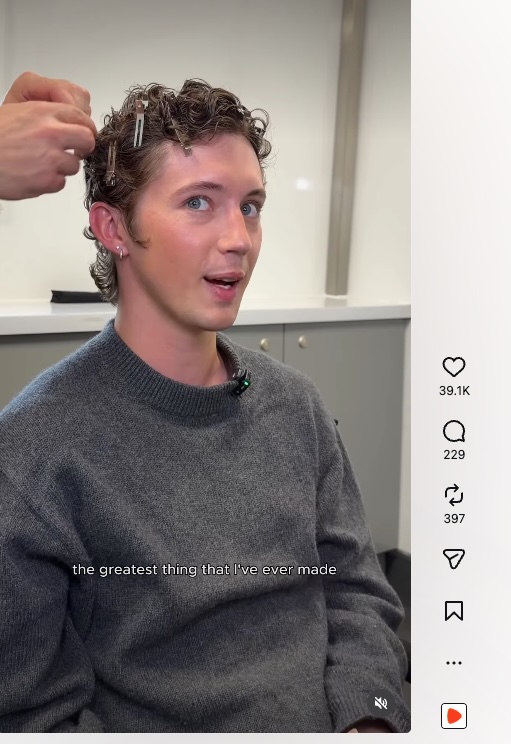
Returning to the idea of frameworks, readiness is what makes speed possible. André’s team sent social managers to Scotland on two days’ notice to film on the set of Troye Sivan’s new video. They could do this because they already had repeatable content franchises and a team they trusted.
Rangel further pointed to how social listening can impact business decisions when they’re set up to travel across the organization. He shared examples from the return of all-day breakfast to a Ziploc cereal bag developed with General Mills after complaints about stale cereal surfaced on social media.
Do you have something of value to say versus just adding volume to the conversation and getting lost in that sea of sameness?Josh Rangel
Senior Director of Social Strategy, Ogilvy
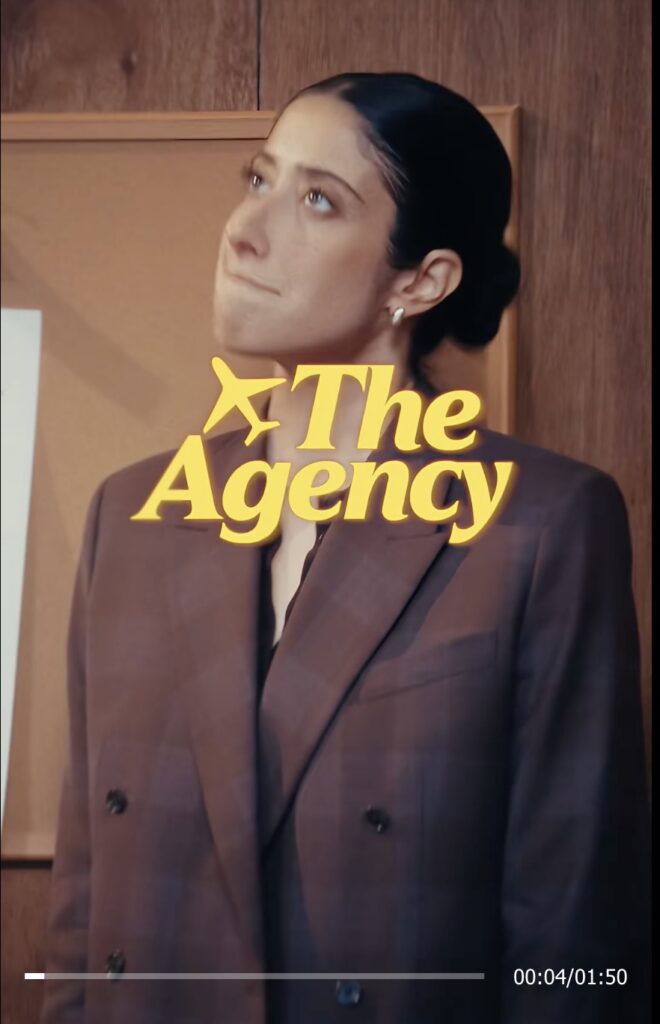
Both closed by naming “community” as the thing the industry still underrates. Rangel urged brands to invest in the fans. André added she sees scripted storytelling on the rise, citing Banana Republic’s TikTok series.
From signal to strategy: Turning social data into action, not just reporting
The second panel was about taking the signals from social and getting them in front of the right people at the right time to make change.
Moderator: Ben Nicholson, Content Manager, Sprout Social
Panelist: Curtis Midkiff, Director of Social Media Marketing, Sprout Social
Panelist: Paige Walker, Manager of Foresight, Consumer and Market Signals, The Hershey Company
Panelist: Bianca Shaw, a digital and social strategy advisor who works in the hospitality industry
The conversation began with how to know whether a signal is even worth acting on. Walker noted that she looks for trends that cross networks or age groups. If her mother, who’s in her 60s and mostly on Facebook, has heard of a trend, that’s an indicator it’s serious and mainstream. Shaw meanwhile pairs volume with velocity and sentiment, as well as tracking specific notable names, since one critic with a history can matter more than numbers alone.
There was also an acknowledgement that even when a signal is identified, getting it heard is often the harder part. Walker and Shaw advised translating social metrics into the language of the stakeholders they’re intended to influence, whether that’s risks, opportunities or business goals, while avoiding industry jargon like “net sentiment.”
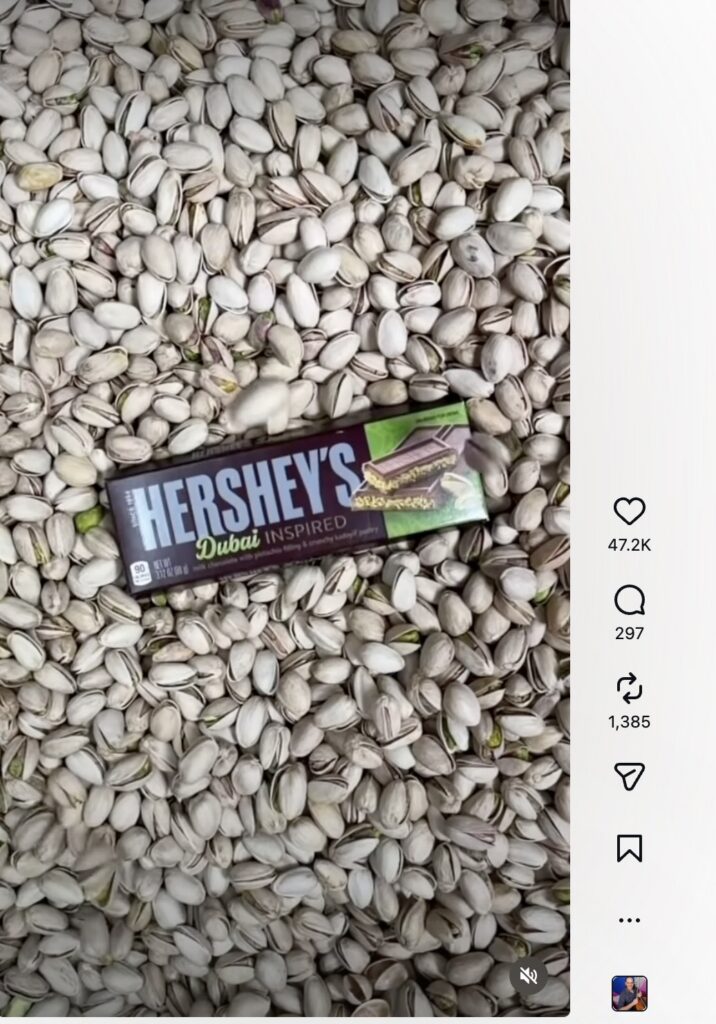
Walker also recommended being honest about what social can and can’t answer, and serving it up as part of a “data sandwich” that might include search data, sales data or primary research as well as social insights. That was the kind of evidence that helped Hershey decide to activate around the Dubai chocolate trend in December 2025 with a limited run of 10,000 bars.
Social intelligence is your microphone and your speaker to go into the room.Curtis Midkiff
Director of Social Media Marketing, Sprout Social
Midkiff described social data as unaided daily insights that no other team has. His advice was to put yourself in the spaces where decisions happen, to bring social insights to the Slack channels where product teams already talk and pay attention to the broader questions the business is asking itself. Then see if the social team might already have access to the answers.
For smaller teams of one or two, Walker suggested using AI with a human in the loop to expedite analysis. But also don’t underestimate the very human step of setting up coffee chats with other departments to introduce how social can help.
One signal, one team, one outcome.Paige Walker
Manager of Foresight, Consumer and Market Signals, The Hershey Company
Borrowed trust, real impact: Why creators and employees are more trusted than brand accounts
The final panel focused on creators and employee-generated content.
Moderator: Lia Haberman, by the founder of the ICYMI newsletter
Panelist: Ari Berkowitz, Head of Creator Solutions, PMG
Panelist: Brandon Smithwrick, founder of Content to Commas & Creator in Residence, Sprout Social
Panelist: Cory Weaver, Head of Creator Marketing, Gap Inc.
Haberman opened with Sprout research from our 2026 Influencer Marketing Report showing follower count matters to only about 17% of consumers, more than 80% want influencers to have used the product they promote and that 40% discover products through employee content at least monthly.
Berkowitz said the industry is moving away from one-off “burn and turn” deals toward repeat partnerships that prove the fit between creator and brand is real, echoing consumer preference for long-term creator partnerships. He described a K-shaped creator economy, where investment is growing among smaller, niche creators and top tier influencers, while the middle shrinks. Weaver echoed this categorization, saying that Gap uses a nine-tier pyramid, and creators can move between tiers.
The panelists agreed that every program starts with the advocates you already have. Berkowitz recalled a Sour Patch Kids campaign that began with a dashboard of existing fans, resulting in about 100 gift boxes turned into more than $1 million in free content.
Every great creator program starts by understanding who is organically talking about your brand and its products.Ari Berkowitz
Head of Creator Solutions, PMG
When it comes to employee advocacy and employee-generated content, Smithwrick recommended lowering the bar with ready-made assets and copy alongside a simple points program, and advised to set up creator partnerships before encouraging employees to post to avoid employees feeling like unpaid creators. Weaver advised getting tax and legal involved early when it comes to incentivizing this and trusting employees to speak for themselves on social, within guidelines.
You don’t have to brief them. You don’t have to script them.Cory Weaver
Head of Creator Marketing, Gap Inc.
— Cory Weaver, Gap Inc.
Finally, Berkowitz also offered the CAIT framework (creators, affiliates, influencers and talent) as a way to match each role to its job, from content creation to lower-funnel action to credibility.
Find the signal, act on it
Social teams have more signals than ever, so the biggest bottleneck is translating them for the rest of the organization. We closed the summit with a three-step framework from Sprout’s guide on expanding the social team’s influence. It works at any level, whether you’re informing a marketing decision, passing on product feedback or taking voice-of-the-customer insights directly to the C-suite.
The first step is the signal. Spot the pattern, whether that’s a spike in engagement, a cluster of complaints or a rising trend in numbers you already report. AI can help turn comments and data into insights people will use. The second step is evidence. Back the pattern up with a comparison to the previous week, a change in share of conversation, the direction of the narrative or a corroborating source. The third is action, and that’s what makes it social intelligence rather than reporting.
The same advice ran through every session. Choose the moments that fit your brand, build trust with legal, leadership and partner teams before you need it, and learn what your stakeholders care about so you can show how social answers it. Then pay attention to the employees, creators and fans your audience already trusts.
For more frameworks on how to expand social’s influence across your organization, download our 2026 guide.
39 free social media strategy templates that will elevate your workflows
Published on August 20, 2026 Reading time 15 minutes







Share