Social-first brands: Redefining culture and business strategy

Written by Raegan Hedley
Published on February 12, 2026
Reading time 7 minutes

Table of Contents
Customers share feedback, ask questions and post about brands they love on social media daily. Yet only 31% of consumers say companies effectively listen to what audiences say on social and act on their feedback, according to Sprout’s Q4 2025 Pulse Survey.
This is what sets social-first brands apart.
Social-first marketing uses social media to listen, learn and stay connected to culture as it unfolds. These brands treat social and social intelligence as inputs for broader business decisions, and over time, this approach helps them build stronger communities, deepen loyalty and drive measurable business impact.
It’s no wonder 80% of marketers are reallocating funds from traditional channels to social, according to The 2025 Impact of Social Media Marketing Report.
Read on to learn what defines a social-first brand, see examples of social-first brands and find out how to put this approach into practice within your own organization.
What makes a brand social first?
A social-first brand uses social media intelligence to guide decision-making and is intentional about how it engages with its audience. Leading brands that have adopted this approach are focusing less on volume and more on relevance, connection and participation, reflecting broader shifts outlined in current social media trends.
Social-first brands use social listening and media monitoring as primary sources of market research. Conversations and sentiment across networks and news outlets help teams understand customer needs, expectations and emerging issues in real time. These insights are shared across the organization to support teams beyond marketing, including customer care and product development.
They also prioritize engagement, dedicating resources to participate in conversations that build relationships and community. This aligns with findings from Sprout’s Q2 2025 Pulse Survey, which showed social media users want brands to prioritize interacting with their audiences above anything else.
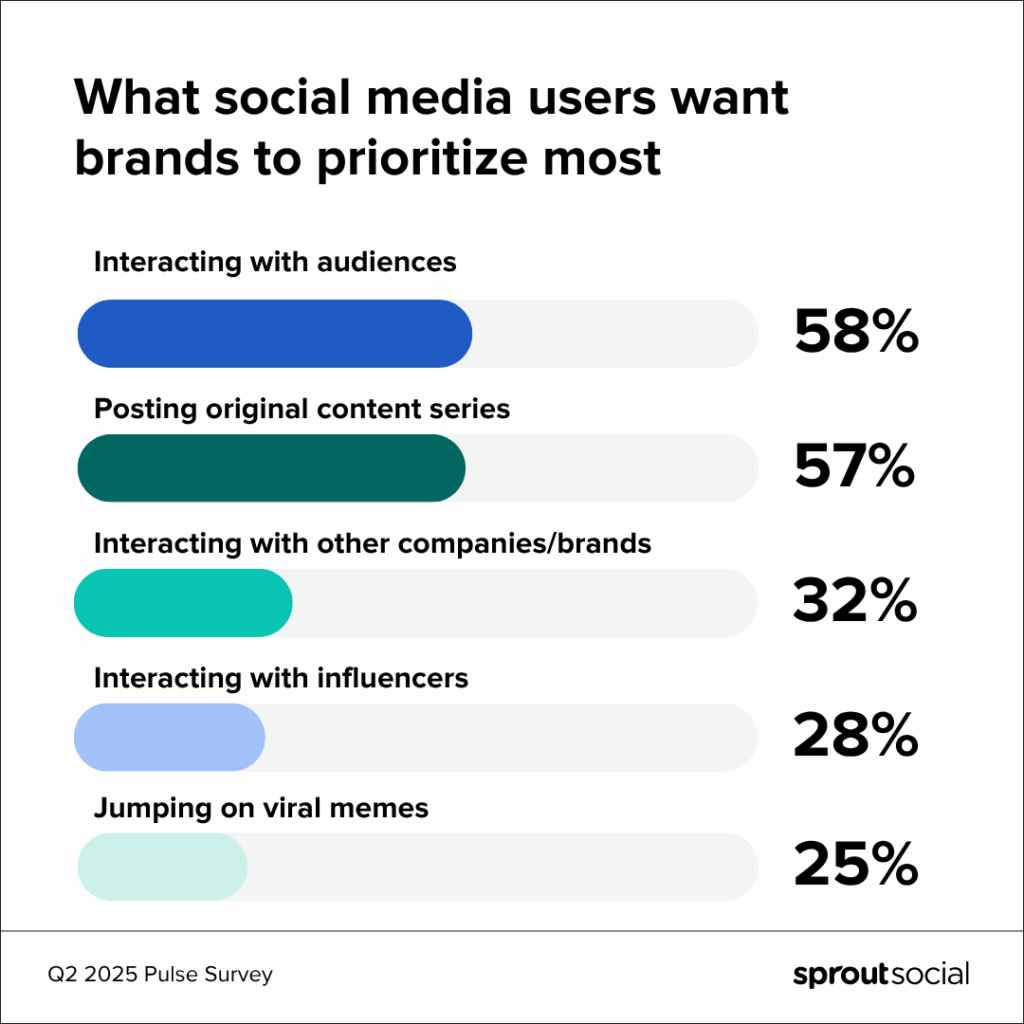
Rather than using social media as a megaphone, social-first brands stay connected to daily culture by showing up consistently in broad and niche communities.
As the 2025 Sprout Social Index™ explains, “[consumers would] rather brands deeply understand the nuance of online culture as it pertains to their interests, and participate in sub-cultures their community is already a part of. Like any culture, online culture is about belonging and emotional connection.”
In practice, being social-first means focusing on connection and using social as a shared source of intelligence that helps the entire organization stay aligned with its audience and make better decisions.
3 social-first brands redefining online culture and social’s business impact
Social-first brands treat social as a source of insight that shapes how they show up, support customers and make decisions across the business.
The following examples highlight brands that use social intelligence to guide their social media marketing strategies, improve customer experience and drive growth. Each one demonstrates how social can influence more than marketing outcomes.
Spotify
Streaming platform Spotify uses listening data and social insights to understand what resonates with audiences and translate that into cultural relevance at scale.
That approach is most visible in Spotify Wrapped. By analyzing how people listen to music, and how they share those habits online, Spotify turns audience data into personalized content that consistently drives conversation (and inspires spinoff content) across social networks.
Wrapped reflects both individual listening patterns and broader cultural trends, giving audiences a reason to engage and participate.

Social engagement insights help Spotify shape how it tells stories, highlights artists and connects listening data to culture.
Pay.com.au
Pay.com.au is a B2B payments and rewards platform that helps businesses earn rewards on essential expenses like taxes, payroll and superannuation. The brand’s value proposition is compelling, but it initially raised skepticism and prompted many potential customers to question if earning rewards on mandatory business payments was “too good to be true.”
To address the trust gap, the team used social intelligence to understand audience questions and concerns, then shaped content around real customer experiences. Pay.com.au created customer success story videos featuring real businesses and tangible outcomes, adapting formats and messaging across networks based on how audiences responded.

Those same insights were shared across product, customer support and growth teams, shaping FAQs, onboarding and product decisions.
With social intelligence, pay.com.au turned skepticism into clarity by using audience insights to inform proof-based content and guide decisions across the business.
Read the full Pay.com.au case study.
Notion
Notion is a collaborative workspace used by individuals and teams to organize work, projects and knowledge. The brand stands out for its strong investment in its community and for using audience feedback to shape education and product support.
Early on, Notion empowered super users to share content, such as tutorials and templates, through its unpaid Ambassador program. As creator interest and user-generated content increased, the brand shifted from informal advocacy to a more structured creator approach.
Notion now works with creators through paid partnerships—like the TikTok post below—and an affiliate program. The brand’s community also continues to create plenty of user-generated content on visual networks like TikTok, Instagram and YouTube.
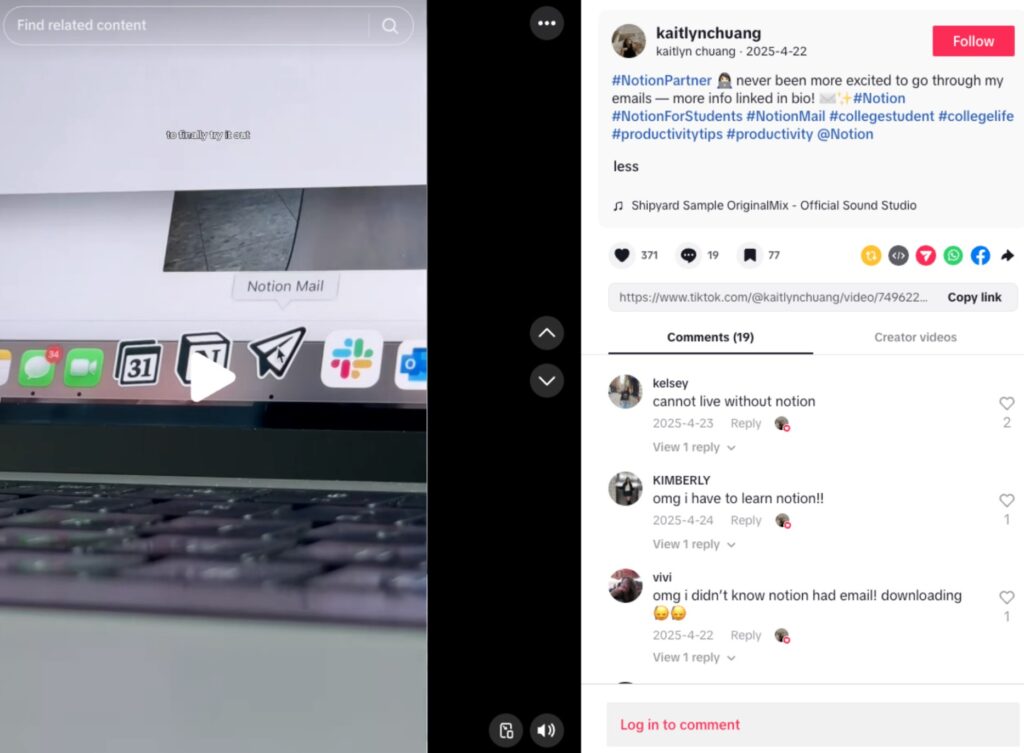
Notion also pays close attention to how people talk about their workflows and pain points across social and online forums. Those insights are then turned into clearer documentation, expanded template libraries and educational social content, such as YouTube Tutorials featuring Notion’s Global Community Lead.
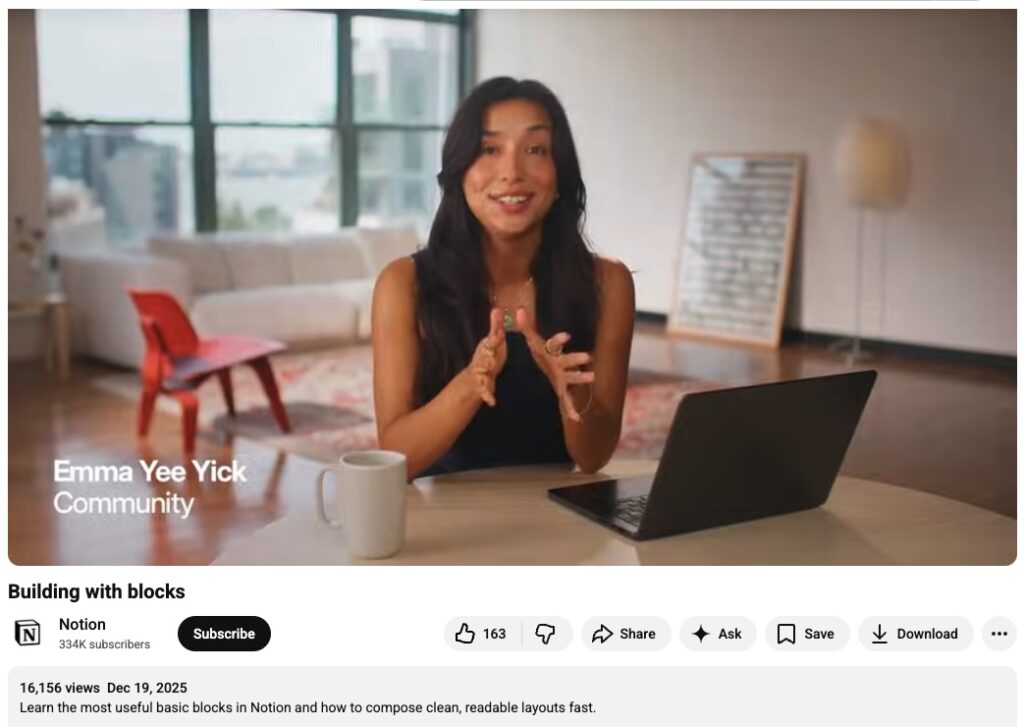
Notion’s social growth reflects a consistent focus on how people already use and share the product, allowing the brand to scale education and creator content that feels natural to its community.
How to become a social-first brand
Social-first brands build deeper trust, stronger loyalty and more meaningful relationships with their audiences.
The strategies below outline how to use social intelligence to turn everyday interactions into long-term loyalty and business impact, so you can be social first.
Use predictive intelligence to understand and connect with your audience
It’s hard to connect with your audience if you’re struggling to keep up with what people say and where conversations are headed next.
Enter: Predictive intelligence tools. They use real-time and historical social and media data to identify emerging trends, shifts in sentiment and growing conversations early to keep your brand ahead of online culture.
One of these tools is NewsWhip by Sprout Social, the world’s first real-time media monitoring agent. It detects changes in conversation volume, sentiment and media attention related to specific topics you’ve selected, decides what matters and delivers analyst-quality alerts. You’ll be able to see what changed in the topical conversation, why it’s relevant and how fast it’s picking up speed.
Tools like NewsWhip allow teams to adjust messaging before sentiment shifts, shape content around conversations already gaining momentum and show up when it matters most to their community.
Build connected systems to serve your customers better
The 2025 Impact of Social Media Report found that 58% of marketing leaders want customer experience and success teams to use social insights, while 49% want social data used by customer care and support teams and business development teams.
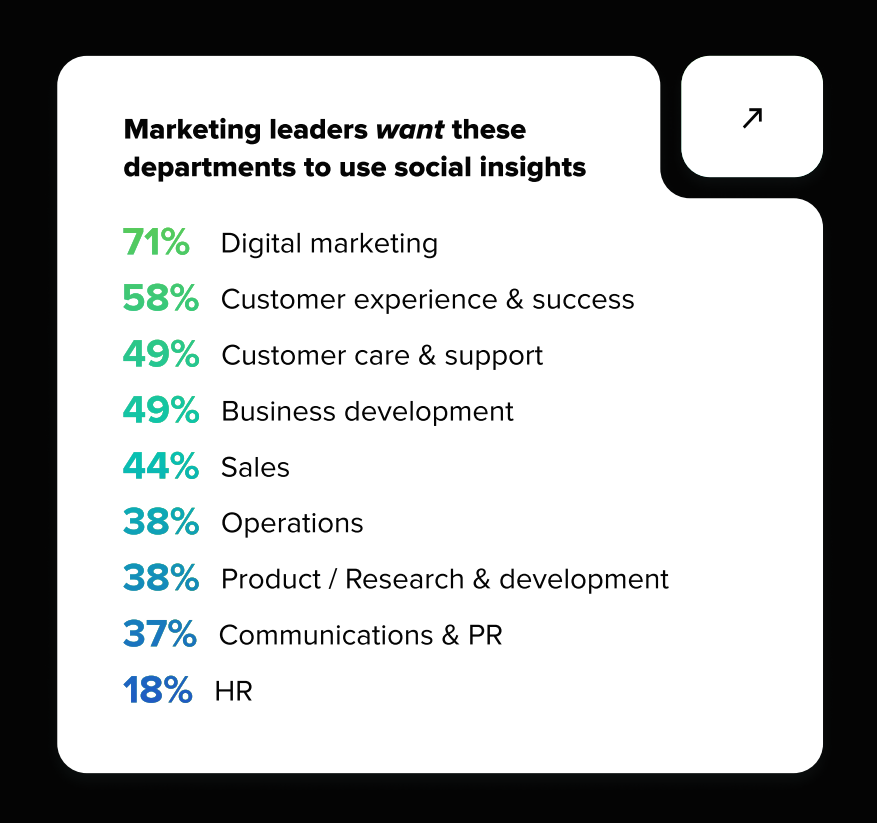
When social tools connect directly with workflows from other departments, brands can respond faster, avoid duplicated work and ensure customer interactions feel consistent.
To see the value of connected systems in action, consider social media customer service.
Using Social Customer Care by Sprout Social helps customer care teams improve efficiency and personalization. And by integrating with tools like Salesforce, teams can track social conversations alongside other support data, making recurring questions and service patterns easier to identify.
By using Tags to organize Cases by topic, urgency or brand, it enables your team to focus on the most important Cases and gain insights into things like recurring feedback or common customer questions, so you can filter this information back to other teams across your organization.
Over time, this feedback loop strengthens trust, improves efficiency and helps teams address customer needs more holistically.
Lead your organization with social insights
According to The 2025 Impact of Social Media Report, marketing leaders say social media drives brand awareness, followed by customer acquisition, loyalty and revenue.
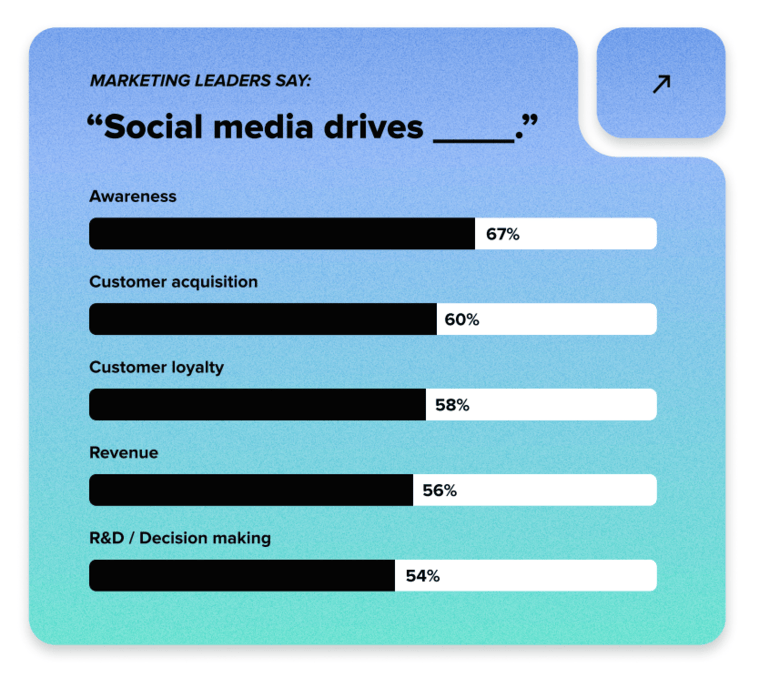
Considering this level of impact, insights from social shouldn’t stay siloed. That’s why social-first brands share social business intelligence across teams and use it to inform change.
The most effective way to lead with social media insights is to tailor them to the team receiving them, so they understand what’s happening, why it matters and what to do next.
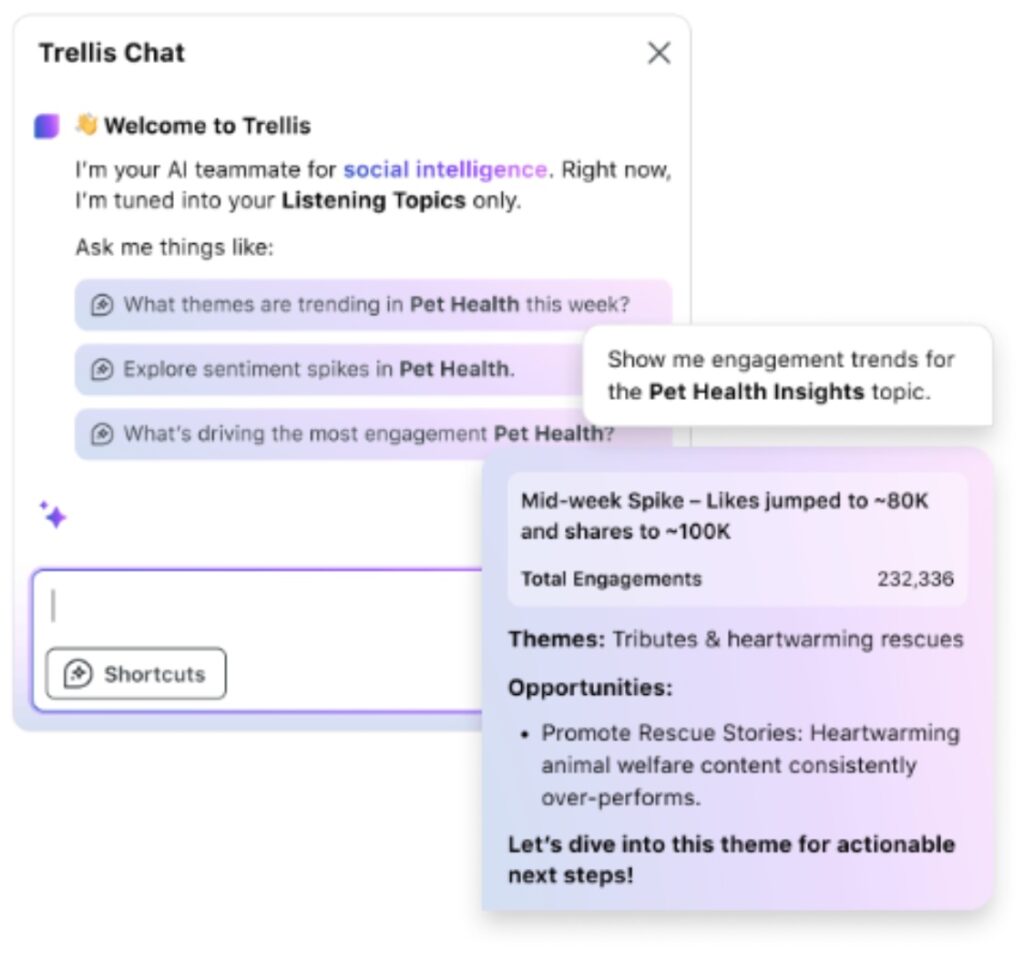
Sprout’s AI agent, Trellis, makes it easier to translate Social Listening data into social business intelligence briefs that teams can act on. By asking a conversational question, you can quickly surface specific trends, insights and key learnings different teams need to guide future strategy.
From there, assemble the content into briefs or templates for each team and share them.
Take calculated risks
Social intelligence opens the door to many possibilities, including creative ones. By understanding topics, formats and tones that engage audiences, you can push creative boundaries where sentiment is positive and interest is proven.
For instance, Netflix uses insights from social listening to help inform which shows get standalone social accounts. And by launching a dedicated Instagram account for Wednesday, the brand created more space for character-driven storytelling that aligned with the existing audience’s enthusiasm.
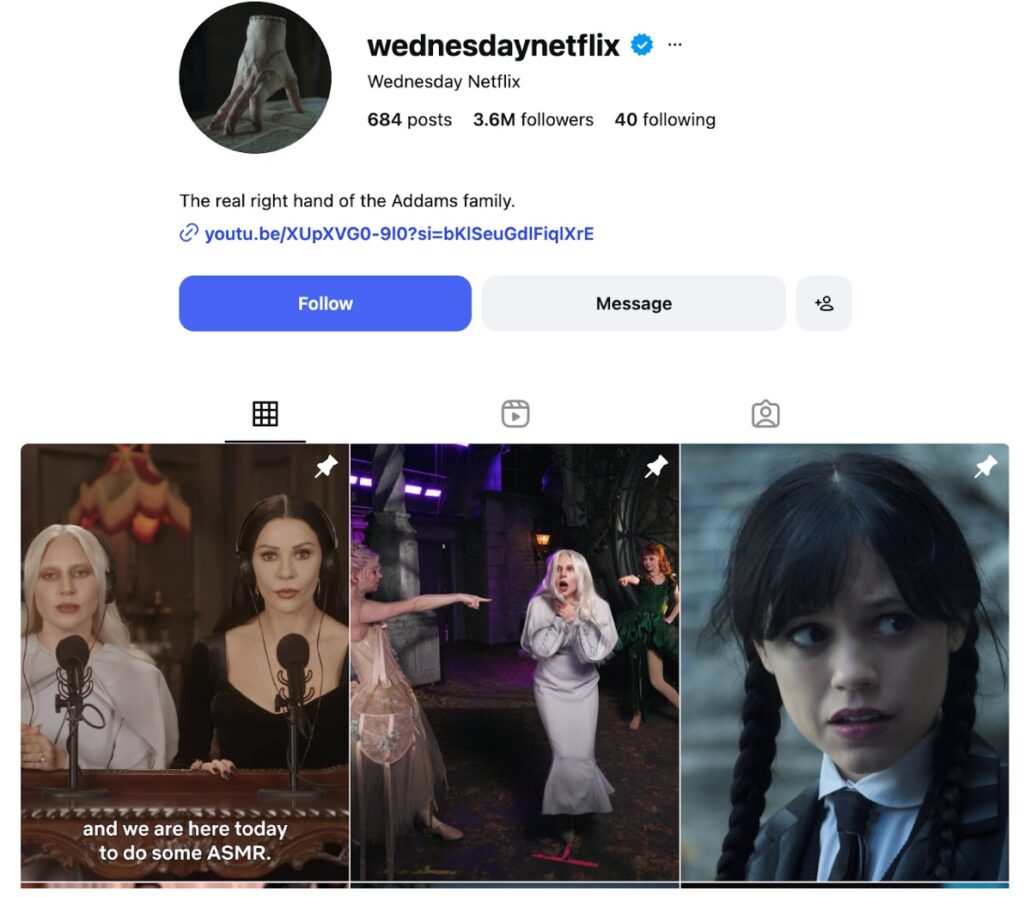
This kind of insight-led approach also makes it easier to get bolder ideas approved internally. Audience data goes a long way in supporting creative decisions that might otherwise be seen as risky.
Using social insights allows you to identify where audience enthusiasm is already building, then pilot bolder creative ideas in those spaces first, testing formats, voices or narratives on a small scale before committing more resources.
Lead the way as a social-first brand
Social-first brands build their strategies around how people actually use and experience social media. They listen to audience conversations, engage consistently and use social insights to inform decisions across marketing, customer care, product and communications.
By treating social intelligence as a shared resource, these brands are better equipped to build trust, strengthen loyalty and stay aligned with changing audience expectations.
Learn more about social-first marketing from Sprout’s CEO, Ryan Barretto.
37 free social media strategy templates that will elevate your workflows
Published on December 5, 2025 Reading time 15 minutes







Share