How to conduct a customer experience audit rooted in social intelligence

Written by Jasmine Williams
Published on August 27, 2026
Reading time 8 minutes

Table of Contents
Your customers are already telling you where their experience is falling short. The problem is, they don’t always tell you directly.
They post about it on social media, ask questions in comments, leave Google and Yelp reviews and talk about your brand in places your customer experience team may never see. Those conversations can expose frustrations, unmet needs and changing expectations that traditional feedback channels miss.
A customer experience audit gives you a structured way to evaluate those interactions across the customer journey. Building social intelligence into the process keeps the audit grounded in what customers are saying now and helps you decide what needs attention first.
In this article, we’ll break down what a customer experience audit involves, where social intelligence fits in and how to use the findings to improve the customer journey.
What is a customer experience audit?
A customer experience audit is a structured review of how people interact with your brand across the customer journey. It examines the touchpoints and feedback that shape the experience, from initial discovery through purchase and support.
Think of it like a health check for your customer experience. You’re looking at how different parts of the journey work together and where friction shows up between channels or departments.
A strong CX audit also looks beyond the channels your business owns. Social conversations and customer care interactions add context that surveys or CRM data alone may not capture, giving you a stronger foundation for what to improve.
5 steps for a modern customer experience audit that drives action
A customer experience audit works best when you approach it systematically. Here’s how to move from deciding what you want to learn to tracking whether your changes are working.
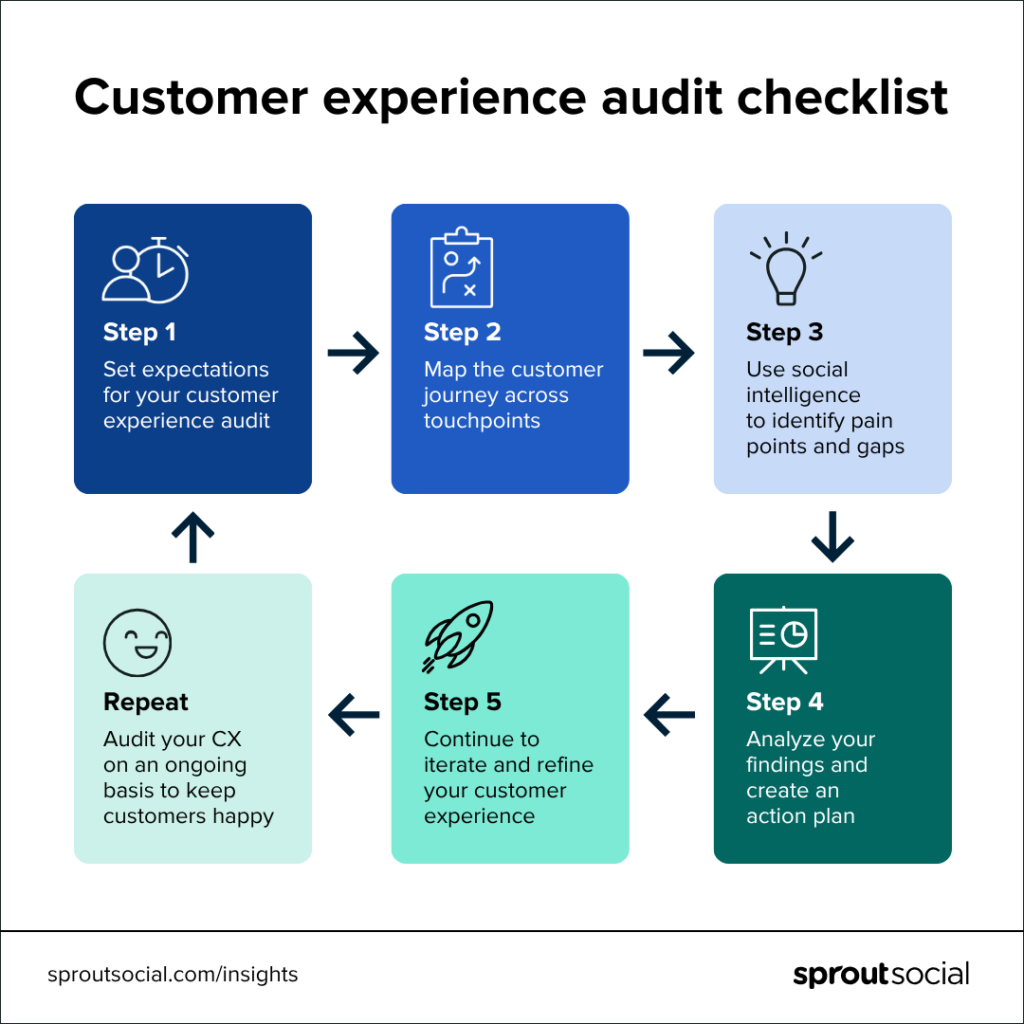
1. Set expectations for your CX audit
Before you pull data or review touchpoints, set the audit parameters. The steps below will help you establish what you’re trying to accomplish and what it will take to get there.
Involve the right stakeholders
Customer experience rarely sits with one department. Bring in people who own different parts of the journey, such as customer care, CX, social, marketing, PR and data analysts. Each group may catch gaps others miss.
Clarify everyone’s role upfront, too. Decide who will lead the audit, who will provide data or context and who needs to act on the findings.
Determine objectives and goals
Next, decide what you want to learn or improve. You might be trying to understand why customers abandon checkout after clicking through from social, improve response times on social or figure out where the brand experience feels inconsistent across channels.
Tie those objectives to specific parts of the customer journey and the outcomes that matter most. This will guide which touchpoints and metrics you review later.
Define scope
A CX audit can expand quickly across channels, customer groups and stages of the journey, so set boundaries before you begin.
Based on your objectives, decide what needs attention now based on your specific business priorities. That might mean auditing one priority audience across the full lifecycle or zeroing in on a stage where you already know there’s friction. Future audits can broaden the scope as new questions arise.
2. Map the customer journey across touch points
Customer journeys rarely follow a neat, predictable path. People move between channels and platforms as they discover brands, weigh their options and get support, making it harder to see the full experience in one place.
Mapping those touchpoints reveals how the pieces connect and where social media plays a role.
Capture the full customer lifecycle from discovery through care
Social influences customers at several key points in their relationship with your brand:
- Product discovery: According to Sprout’s Q2 2026 Pulse Survey, around a third of consumers prefer social search for product reviews.
- Purchase: Sprout’s State of Influencer Marketing Report found that 86% of consumers make an influencer-inspired purchase at least once a year.
- Customer care: The Sprout Social Index™ found that 73% of social media users expect brands to respond on social within 24 hours.
Mapping your social media marketing funnel alongside the broader customer journey helps account for those interactions from discovery through ongoing social customer care.
Look beyond owned channels
Build your audit from the places customers interact with or talk about your brand. Alongside your own social posts and ads, include replies, DMs, chatbot interactions, reviews, customer posts, social shopping activity and traffic from social to your website. Widen the lens to review sites, discussion forums, influencer communities, media coverage and mentions that may never reach your profiles.
Sprout helps bring more of those touchpoints into one workflow. The Smart Inbox centralizes incoming social messages, while Reviews pulls customer feedback from sources including Google Business Profile, Yelp and Trustpilot. Sprout Social Listening bridges direct and indirect interactions, surfacing conversations about your brand and market that may not tag or mention you directly. Together, these tools give you a broader pool of customer conversations to draw from during the audit.
Connect social with the systems other teams use, too. The Sprout Social Salesforce integration enriches CRM profiles with social data, while Sprout’s Tableau BI Connector combines social with other business data for a fuller view of the journey.
3. Use social intelligence to identify pain points and gaps in customer experience
With the customer journey mapped, it’s time to diagnose what’s happening within it. Where is frustration building? What questions keep coming up? Are expectations changing faster than your experience can keep pace with?
Social intelligence helps answer those questions by illustrating how customer sentiment and conversation patterns are changing across the market.
Analyze audience sentiment
Look at how customers feel at key points in the journey. A drop in sentiment around a product launch or an increase in negative customer care messages can point to experiences worth investigating.
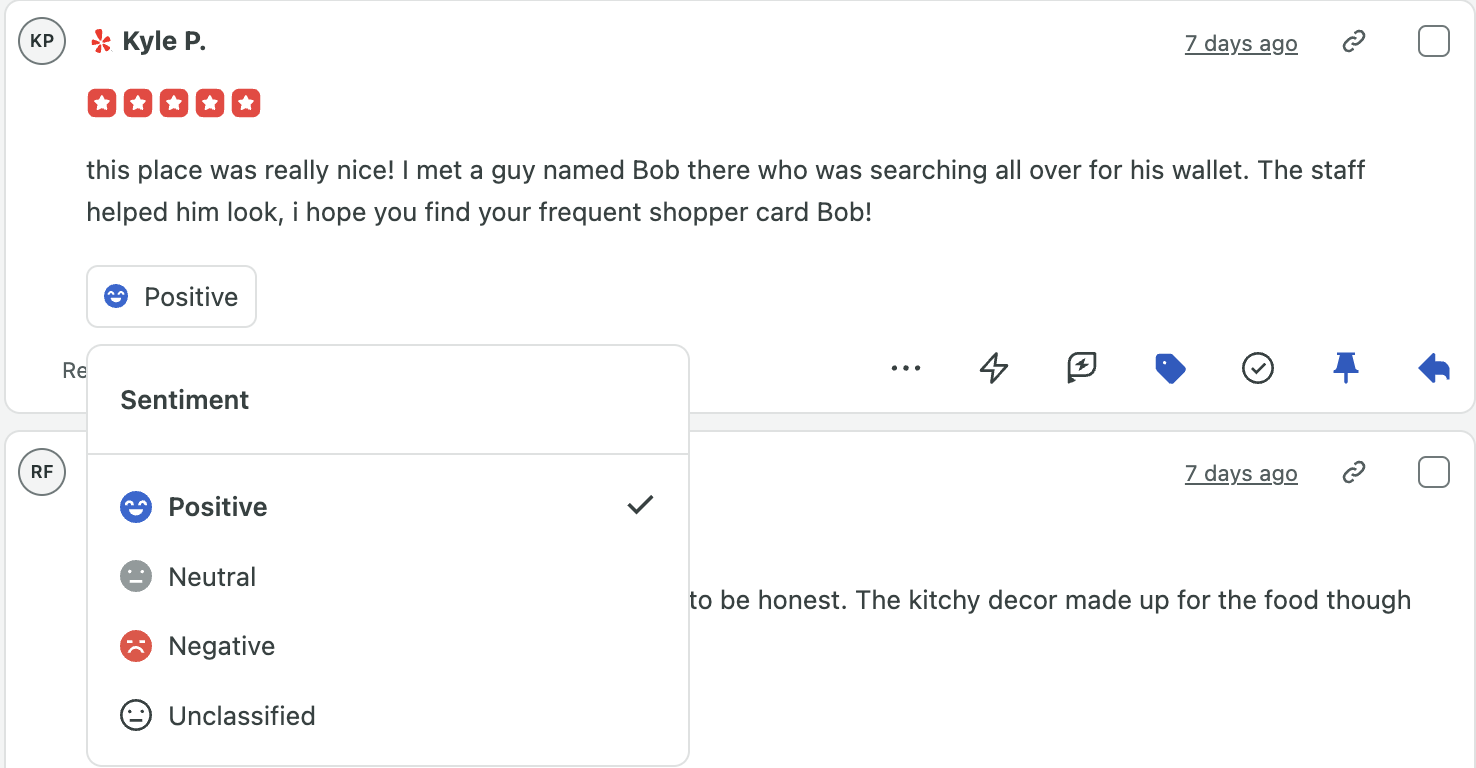
Social listening helps track sentiment across broader conversations, while Sprout’s Sentiment for Messages classifies incoming messages and reviews, enabling teams to identify interactions that need attention. NewsWhip by Sprout Social further adds predictive media intelligence to indicate when stories or issues are gaining traction.
Spot emerging patterns
Look for changes in what customers are talking about over time. If customers suddenly ask whether a new feature works with an existing product, your launch messaging may be unclear. More questions about faster delivery or easier returns could point to changing category expectations.
Sprout Social Listening surfaces spikes in conversation and rising topics. NewsWhip monitors real-time news and social activity to flag stories that are picking up speed, giving teams an earlier read on issues that could affect the customer experience.
Understand the broader competitive landscape
Compare your brand with competitors to see how sentiment and share of voice differ, then look for needs or conversations where your brand can show up differently. Sprout’s Competitive Analysis Listening templates support side-by-side comparisons of metrics like sentiment and share of voice.
Social Listening can also reveal opportunities outside your own customer data. One Sprout customer, for example, discovered that its audience was active on Reddit and used that insight to build a new community.
“Our goal for the year was 10,000 members joining our Reddit community by the end of football season. We launched two weeks ago, and 7,000 people joined in just one week. Social listening helped us realize our audience was on Reddit—so we built and executed the right strategy, and it’s been wonderful to see that response.”
Luke Panosian
Sr. Community Manager, PrizePicks
Set benchmarks to improve upon
Capture a baseline for the parts of the experience you plan to improve. For customer care, that might mean average reply time. For brand health, you might track sentiment or share of voice.
Use the social, CRM and BI data you’ve already brought together to set those benchmarks. A consistent baseline gives future audits something concrete to measure against.
4. Analyze your findings and create an action plan
Your audit will probably uncover more problems than you can tackle at once. Zero in on the issues causing the most friction for customers and the fixes that could make the biggest difference. Then decide what to address first and who will take it forward.
Align on priority conversations
Focus on conversations that highlight the biggest customer problems or clearest opportunities. Maybe customers keep asking the same product question because your onboarding is unclear. Or social listening signals that people are seeking peer support your brand could provide through a dedicated community.
Share that context with the people who can fix the problem. Decide what needs to happen, who owns the next step and how you’ll know whether the change worked.
Identify the high-ROI moments
Look for places where social is already showing you what customers want. Sometimes the opportunity is a conversation, behavior or use case that’s growing in popularity.
Vaseline, for example, used social listening to track the unconventional ways people were already using its products. In 2026, the brand turned two community-created beauty hacks into new products. Both launched on TikTok Live and sold out within minutes.

The same principle applies beyond product development. A high-ROI moment might be realizing customers keep overlooking a valuable product feature, then changing the messaging to spotlight it, or noticing an active Reddit community and building a presence there.
5. Continue to iterate and refine your customer experience
A CX audit is a snapshot of a moving target. Customer expectations keep evolving, so new pain points can appear even after you’ve made improvements.
Use the audit as a baseline and revisit customer feedback regularly to catch changes earlier.
Track progress against benchmarks
Return to the benchmarks you set during the audit and compare them against current performance. If slow social care responses were a problem, track whether response times improve after you adjust staffing or workflows.
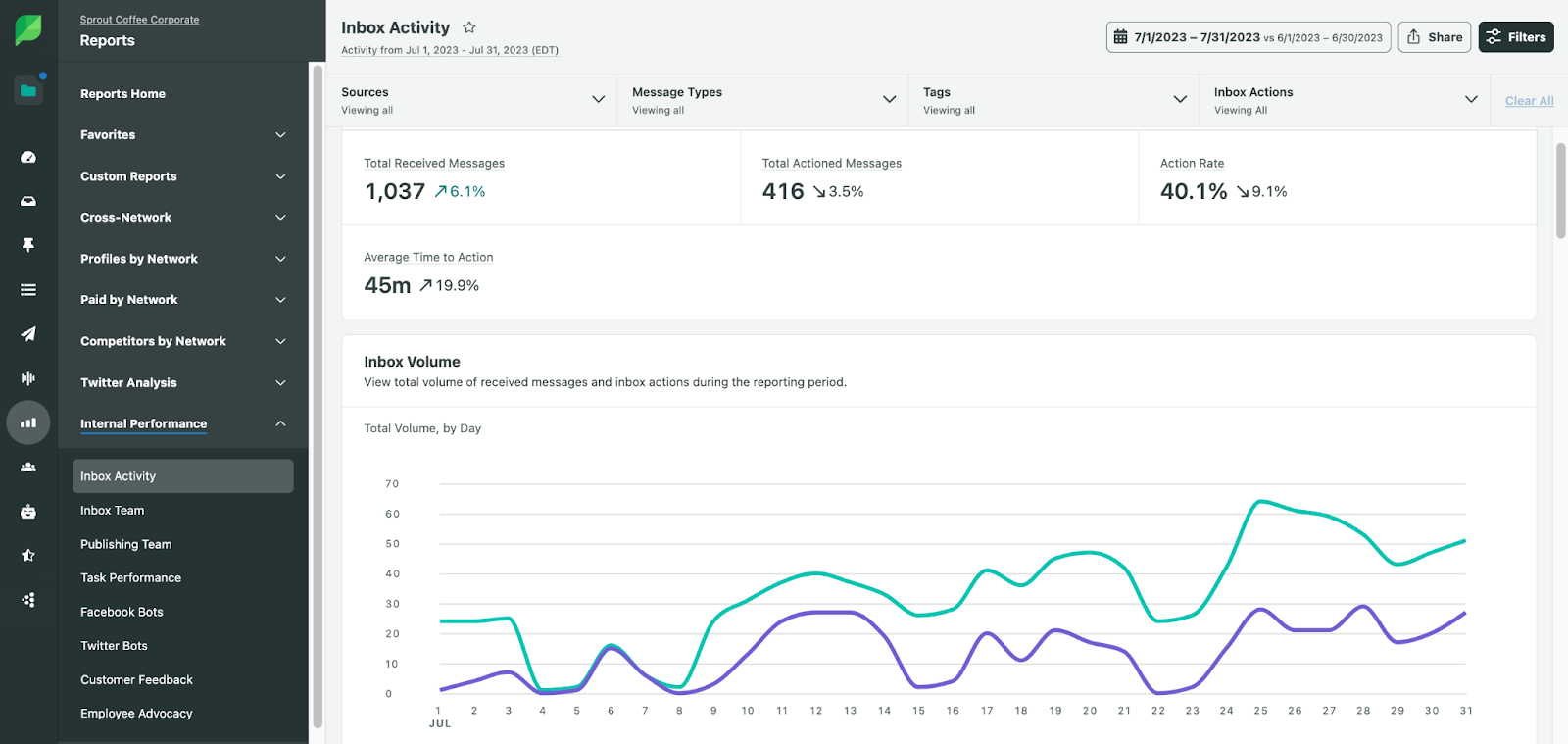
Sprout’s own customer support team used this approach after its Inbox Activity Report revealed slower response times between 6 p.m. and 8 a.m. CT. The team created a targeted staffing strategy for those hours, using existing customer support agents to handle social requests at specific points in their shifts. The result was up to a 55% decrease in average time to action during some of the periods targeted for improvement.
Benchmarks like these give you something concrete to return to after the audit and help show whether the changes you made are actually improving the customer experience.
Operationalize the experience audit
Build regular CX check-ins into your teams’ workflow. Audit stakeholders can periodically review what’s changed, what’s causing friction and whether previous fixes worked.
Focus these check-ins on what has changed since the last review and what needs attention next. Keeping social, care, marketing and CX teams connected makes it easier to get customer context to the people who can act on it.
Take action early and often
Use ongoing customer feedback to make adjustments before problems grow. If social conversations indicate that customers are confused by a new policy, clarify the messaging while questions are still manageable. If positive feedback builds around a product or campaign, amplify it while enthusiasm is high.
Sprout keeps those insights accessible in day-to-day workflows so teams can respond in real time and adjust as customer needs change.
Transform your customer experience
Your customers are already leaving clues about what needs fixing next. A CX audit brings those clues together, while social intelligence helps you stay tuned in as things change.
Use what you learn to improve the experience between audits, whether that means clarifying confusing messaging, changing how care teams respond or acting on conversations that point to a bigger opportunity.
Explore Sprout’s Social Intelligence Report to learn more about the value social data brings to organizations wanting to stay closer to their customers and make better business decisions.
39 free social media strategy templates that will elevate your workflows
Published on August 20, 2026 Reading time 15 minutes








Share