39 free social media strategy templates that will elevate your workflows
Published on August 20, 2026
Reading time 15 minutes
Native advertising is paid media that matches the look, feel and function of the content around it. It blends into a feed or page instead of interrupting it.
As a form of social media advertising, native ads read like the organic posts and articles they sit beside. But publishers still label them clearly as paid.
People scroll past obvious ads. Native ads earn attention because they fit the experience instead of breaking it.
The category is growing fast. According to market research from Grand View Research, the global native advertising market size was valued at USD 105.9 billion in 2024 and is projected to grow from USD 141.1 billion in 2026 to USD 346.9 billion by 2033, at a CAGR of 13.9% from 2025 to 2033.
That fit also builds trust. Native ads work best inside a blended organic and paid social strategy.
Native ads and display ads aren’t the same thing. Display ads—like banner ads—sit apart from the content and are easy to skip, ignore or block. Native formats adopt the look of their surroundings and lead with content you want to read or watch.
On social platforms, native ads show up as sponsored posts and branded or creator content that blends into the feed. A boosted Facebook post is one common format. Carousel ads let brands tell a story across swipeable images.
TikTok Spark Ads are another real example—they turn a creator’s organic post into a paid ad that still looks native in the feed.
Each native ad carries a clear label like “Sponsored” or “Paid partnership.” That labeling follows FTC disclosure guidelines so people know the content is paid.
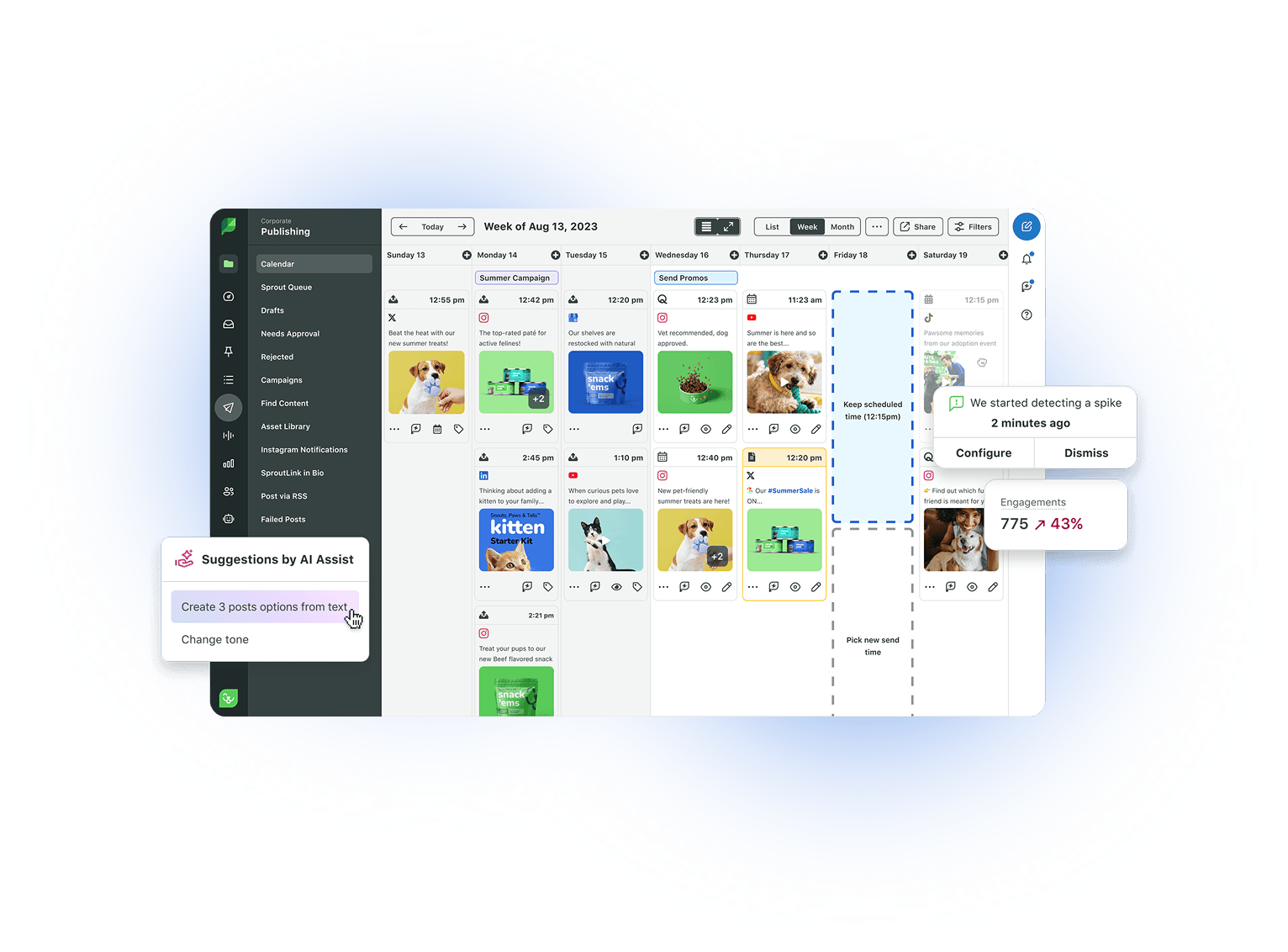
Plan, create and schedule native-style social content with Sprout Social’s publishing tools—start a free trial to try them.
39 free social media strategy templates that will elevate your workflows

Build and grow stronger relationships on social