7 best social media management tools for small business in 2026

Written by Nader Nekvasil
Published on March 26, 2026
Reading time 6 minutes

Table of Contents
Managing social media for a small business means juggling content creation, customer conversations and performance tracking across multiple platforms—often with a lean team and limited hours. The wrong tools make that harder, forcing you to context-switch between apps and leaving gaps in your strategy.
The right social media management tools for small business centralize everything in one place, so you spend less time on logistics and more time building real connections with your audience.
This guide breaks down the seven best options available, what each one does well and how to choose the right fit for where your business is headed.
| Tool | Best For / Primary Focus | Key Features |
|---|---|---|
| Sprout Social | All-in-one social management & scaling for small businesses | Smart Inbox, social listening, ViralPost® optimization and unified analytics. |
| BuzzSumo | Content discovery and trend identification | Ideation tools, influencer tracking and emerging trend analysis. |
| Keyhole | Real-time monitoring and campaign tracking | Live campaign health data, hashtag tracking and sentiment analysis. |
| Buffer | Simplicity and modular scheduling | Building-block approach to features, intuitive interface and social scheduling. |
| Later | Visual storytelling and aesthetic planning | Drag-and-drop visual planner, “grid” preview for Instagram and Asset Library. |
| Loomly | Team collaboration and brand success | Approval workflows, post optimization tips and structured collaboration space. |
| Canva | Design-integrated content creation | Design templates, built-in scheduling and seamless creation-to-distribution. |
1. Sprout Social
Sprout Social is an all-in-one platform is a single tool that handles publishing, analytics, engagement and reporting across every social media platform you use. This means you stop switching between tabs and start making decisions from one place.

Grow your business, not your to-do list.
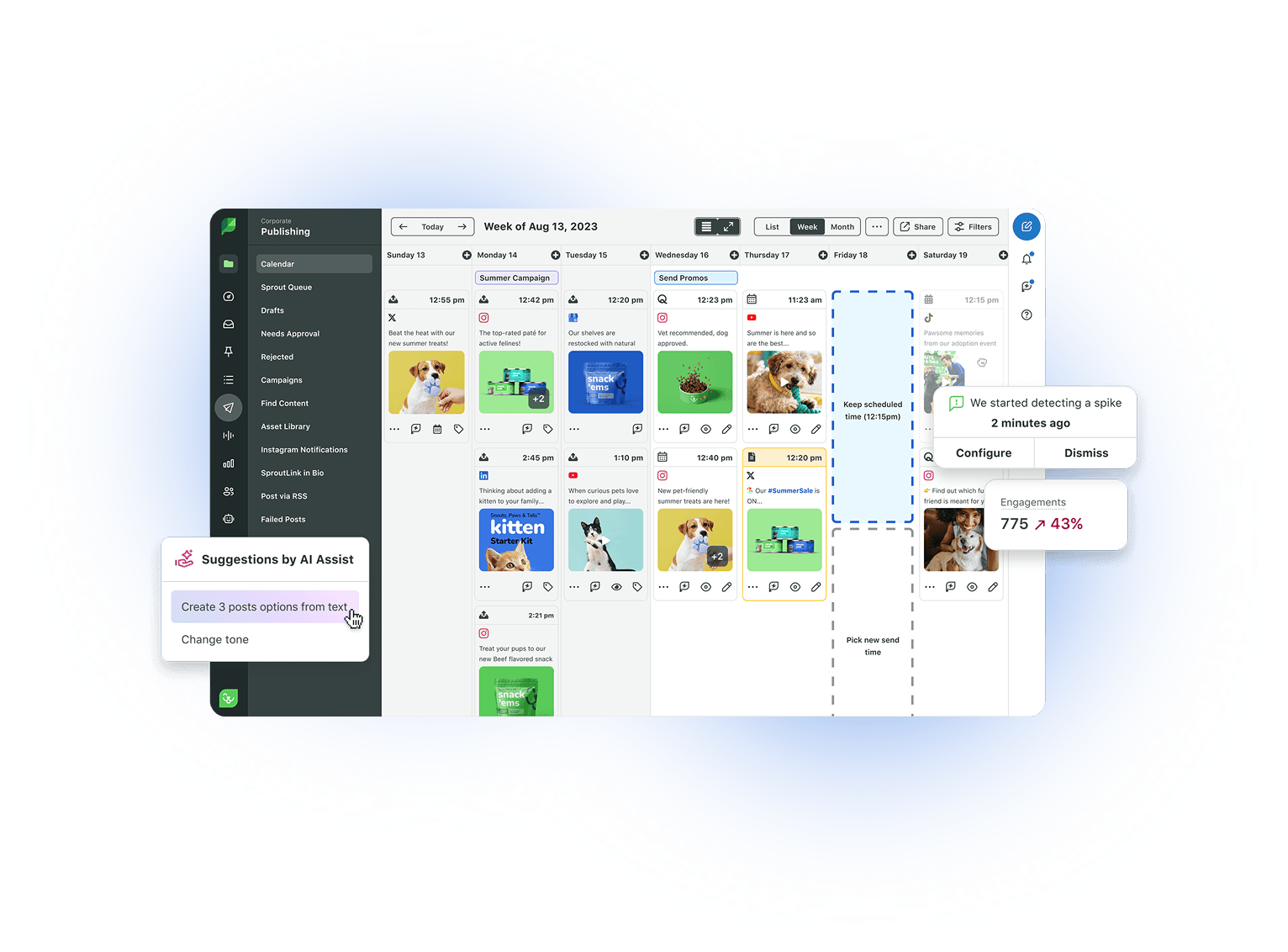
Sprout Social is built for teams that need to do more with less. Its social media calendar gives you a visual overview of your entire content schedule, its social media analytics tools surface performance data by post, campaign or network and its social listening feature works like an AI-powered focus group—surfacing what your audience is saying about your brand before you even think to ask.
- Publishing calendar: Plan and preview posts across all networks in one view.
- Social media analytics tools: Track engagement, reach and audience growth by network or campaign.
- Social listening: Monitor brand mentions, competitor activity and trending topics in real time.
- ViralPost®: Automatically identifies the optimal time to post based on your audience’s activity.
- Scalability: Plans grow with your team, from solo marketers to multi-person departments.
How Sprout Social Essentials Can Help
Unified inbox for faster customer care
A unified inbox is a single feed that pulls in every comment, DM and mention from all your social media platforms. Instead of checking Instagram, Facebook and X (formerly known as Twitter) separately, you manage every conversation in one place.
Sprout Social’s Smart Inbox goes further by letting you filter messages by keyword, assign them to teammates and tag conversations for follow-up. This turns social media customer service from a reactive scramble into an organized workflow.
Visual planner for content calendars
A visual content calendar is a drag-and-drop scheduling tool that shows your entire posting plan at a glance. You see what’s going out, when and on which platform—all in one view.
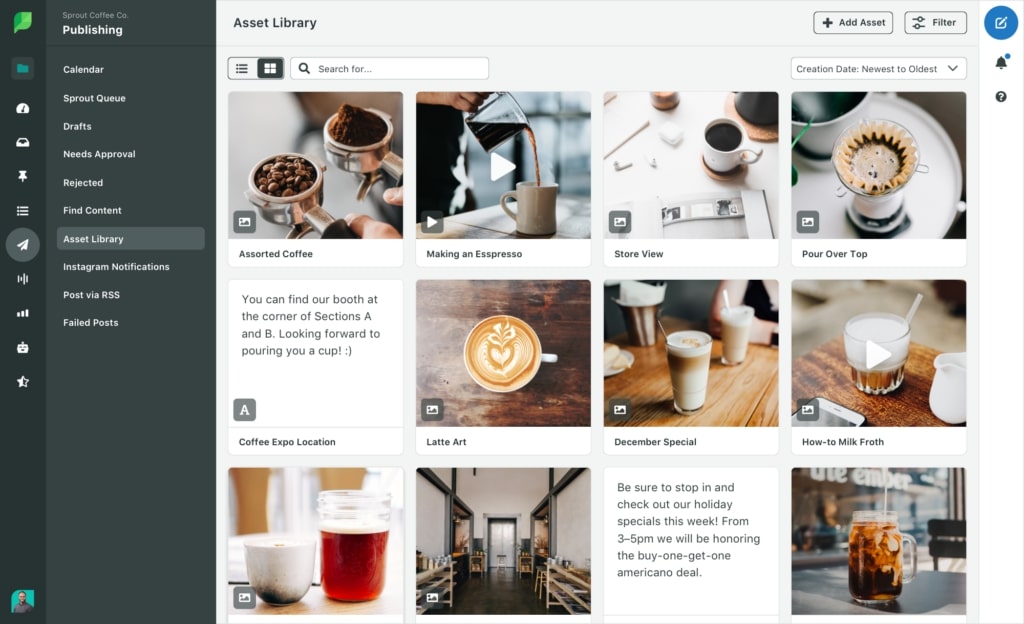
The best visual planners include an Asset Library, which is a central storage space for your brand-approved logos, images and templates. This keeps your content consistent and cuts the time it takes to build each post.
Social analytics for small business reporting
Social media analytics tools translate raw data—likes, clicks, shares—into insights you can act on. They tell you which posts performed best, when your audience is most active and whether your strategy is moving in the right direction.
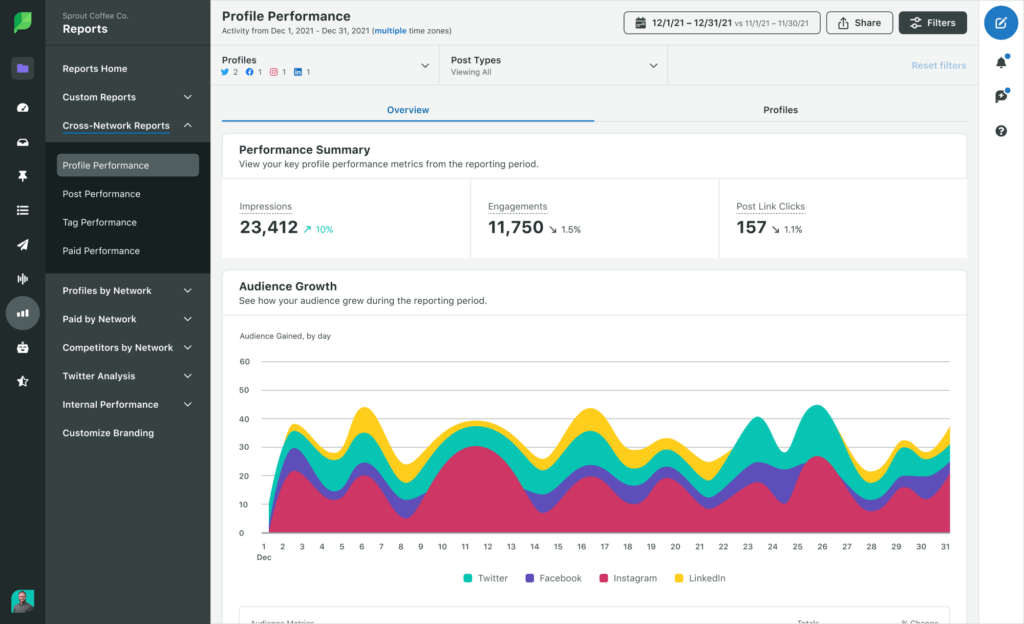
Look for pre-built report templates that cover the metrics you need most, plus the ability to export reports for stakeholder presentations. The best social media reporting tools also let you tag posts by campaign so you can measure ROI at the campaign level, not just the post level.
Affordable entry point
When evaluating alternatives, it’s important to find a platform that serves as a strategic entry point—one that ensures social media becomes a catalyst for scaling rather than a source of friction.
For growing brands, this means choosing a solution that offers enterprise-grade publishing and reporting at a price point that respects your margins. The Sprout Social Essentials plan is specifically designed for this stage, providing a high-value, unified package built for instant usability.
It allows small companies to move away from fragmented, tactical management and enter an era of consolidation, where you can prioritize growth strategy over task management from day one. By starting with a professional, intuitive platform, you build the early efficiency needed to eventually turn today’s growing brand into a global presence.
2. BuzzSumo
BuzzSumo is a content discovery tool that helps small businesses identify the topics, trends and questions that are currently capturing their audience’s attention. For a lean team, this eliminates the guesswork of content ideation.
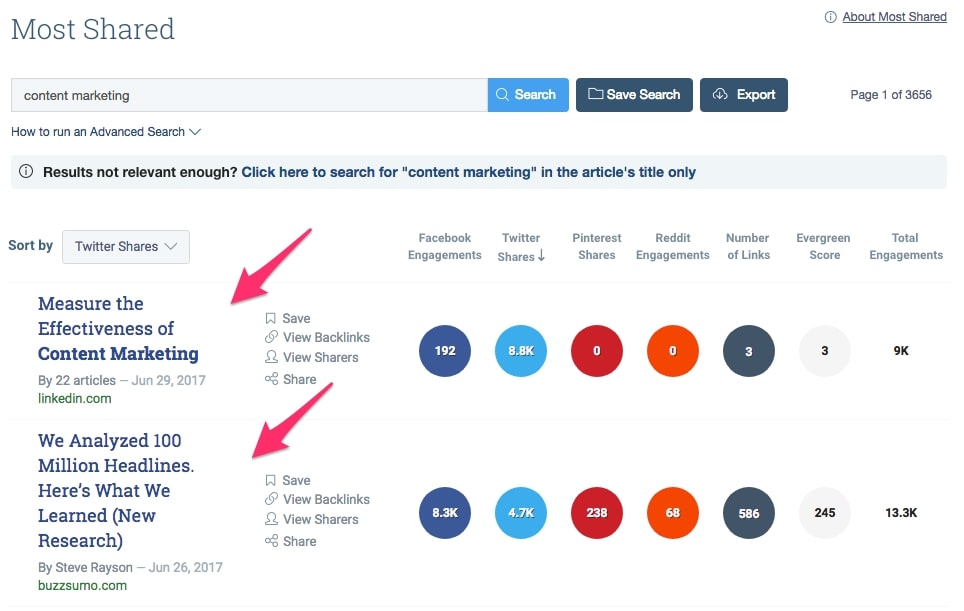
By analyzing what content performs best across the social web, BuzzSumo allows you to spot emerging trends before they peak. It’s also an essential tool for influencer identification, helping you find the right partners to amplify your brand’s reach without a massive agency budget.
3. Keyhole
Keyhole is built for the small business that needs to prove the impact of their social presence in real-time. It specializes in social media monitoring and campaign tracking, providing a big picture view of how your brand, hashtags and events are performing across the digital landscape.
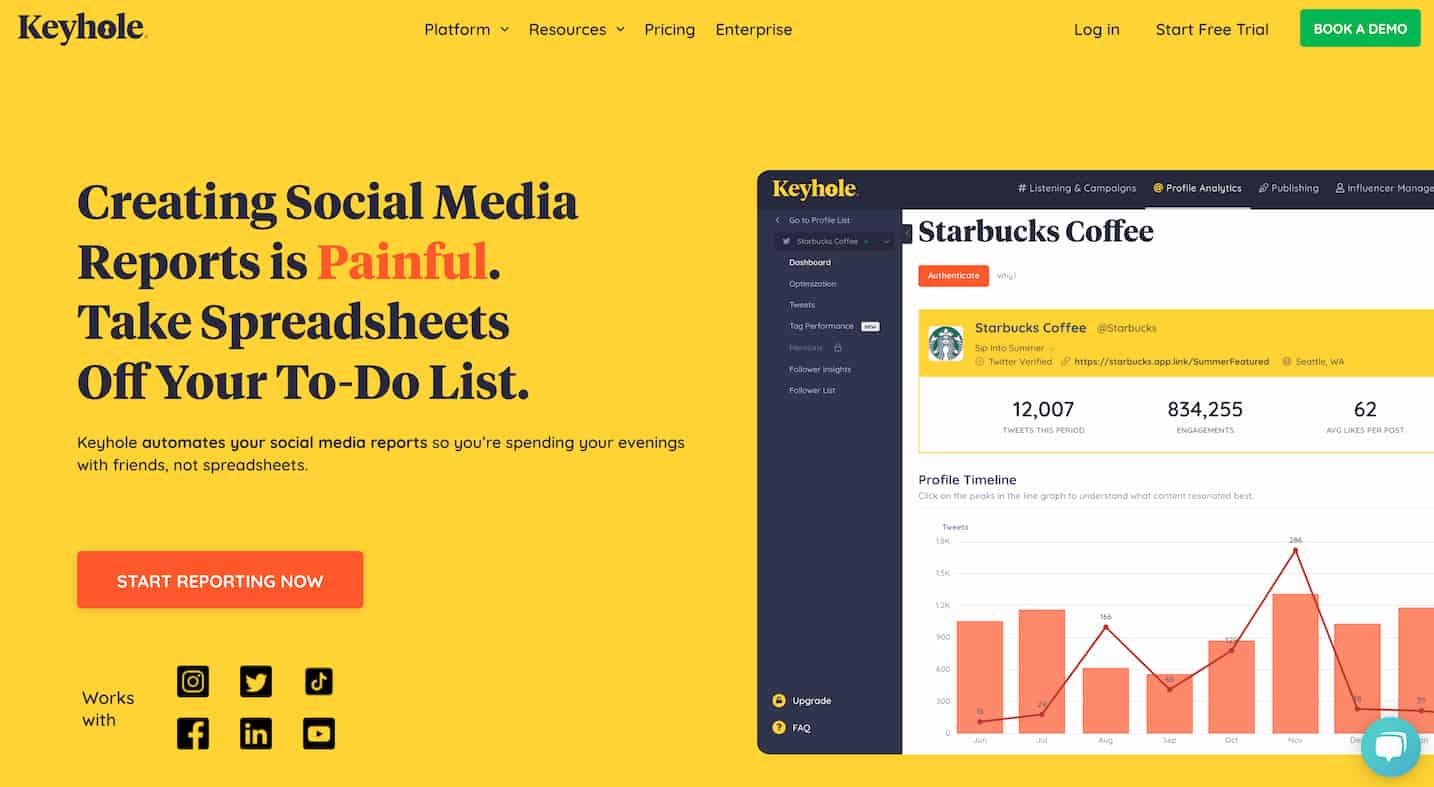
Rather than waiting for end-of-month reports, Keyhole gives you a live look at your campaign health. It’s particularly useful for small businesses running specific promotions or events, as it helps you track every mention and sentiment shift as it happens, allowing you to pivot your strategy on the fly.
4. Buffer
For businesses that value simplicity and a modular approach, Buffer offers a streamlined experience. It is designed to help small teams schedule content and manage engagement across platforms without the complexity of a massive enterprise suite.
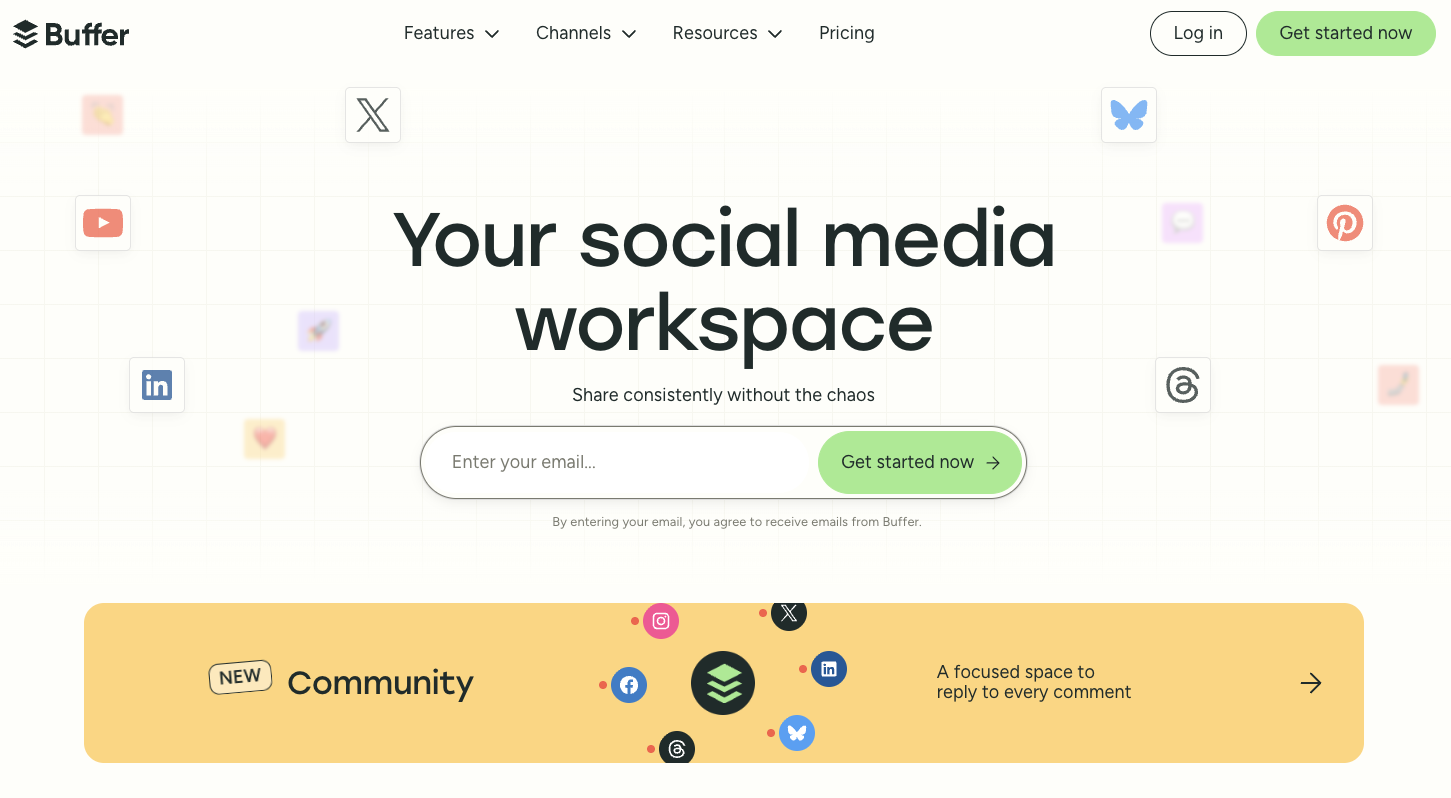
Buffer’s building block approach is its biggest strength for small businesses. You can start with basic scheduling and add more advanced engagement or analytics features as your needs grow. This makes it an intuitive choice for solo marketers or small teams who want to stay organized and consistent without a steep learning curve.
5. Later
If your small business relies heavily on visual storytelling—think Instagram, TikTok and Pinterest, Later is a standout choice. It is a visual-first platform that helps you map out your aesthetic and ensure your brand looks consistent across every grid and feed.
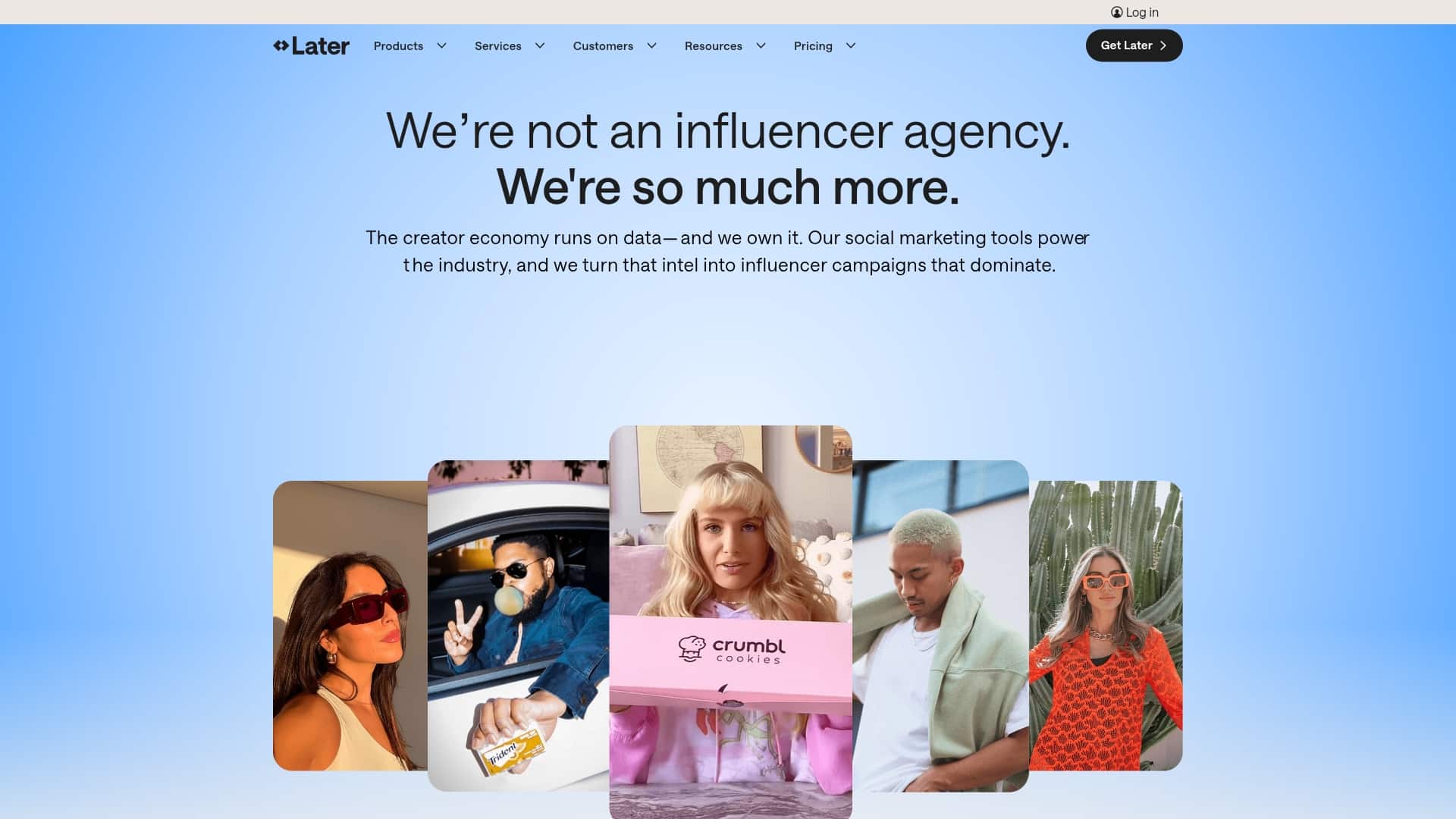
Later’s drag-and-drop visual planner allows you to see exactly how your photos and videos will look before you hit publish. For small businesses in the retail, travel or food industries, this focus on the “grid” is essential for building a professional and cohesive brand identity that stops the scroll.
6. Loomly
Loomly is a brand success platform that shines in the collaborative space. Even small businesses often have multiple stakeholders—like a business owner, a marketing lead and a freelance creator—and Loomly provides a structured environment for everyone to review, comment on and approve content.
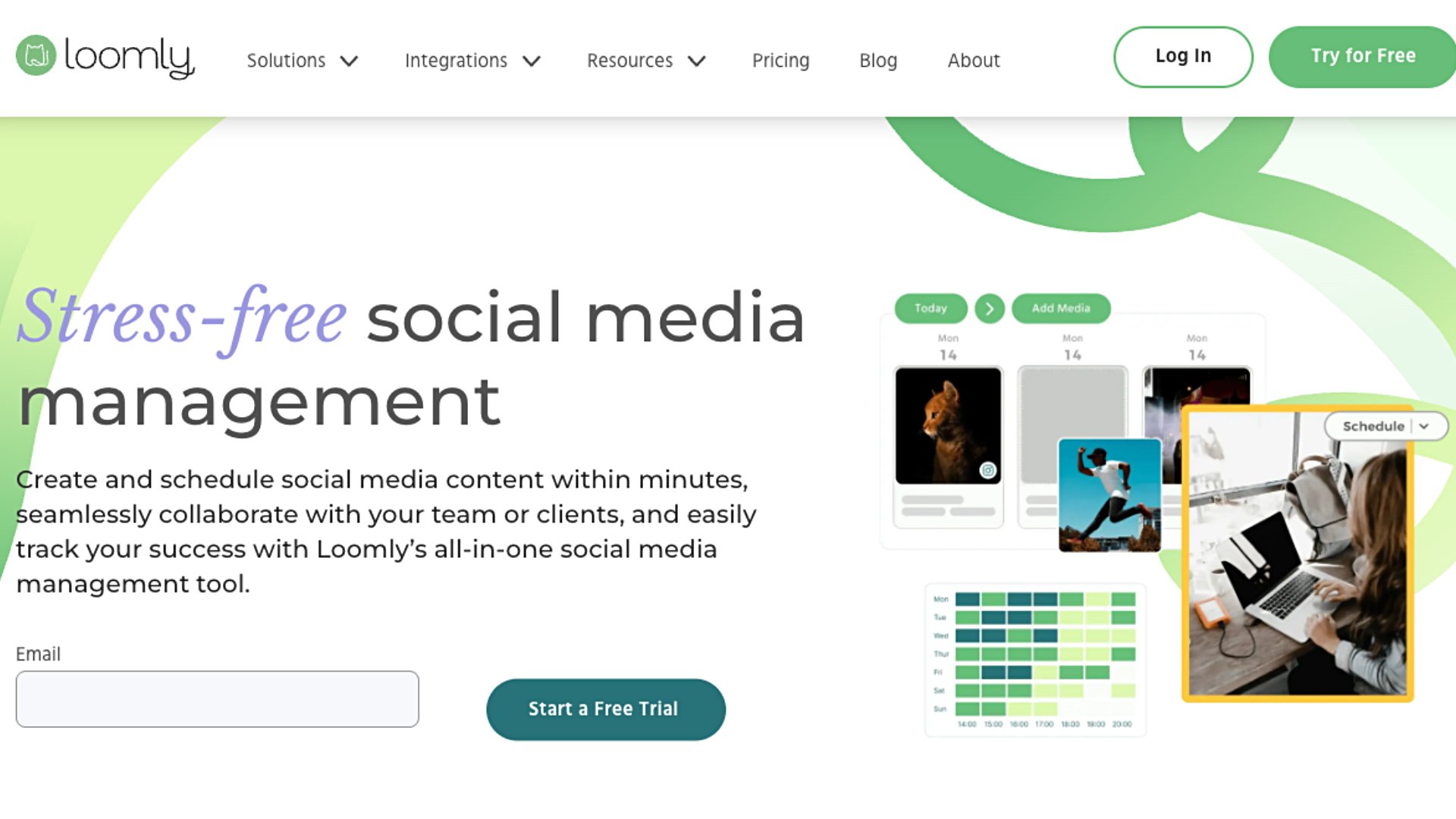
Beyond scheduling, Loomly provides “post ideas” and optimization tips to help you refine your content before it goes live. It acts as a digital safety net, ensuring that every post aligns with your brand’s voice and goals before it reaches your audience.
7. Canva
While primarily known as a design tool, Canva has evolved into a robust content management solution for small businesses. By bridging the gap between creation and distribution, it allows teams to design a graphic and schedule it to social media all within the same window.
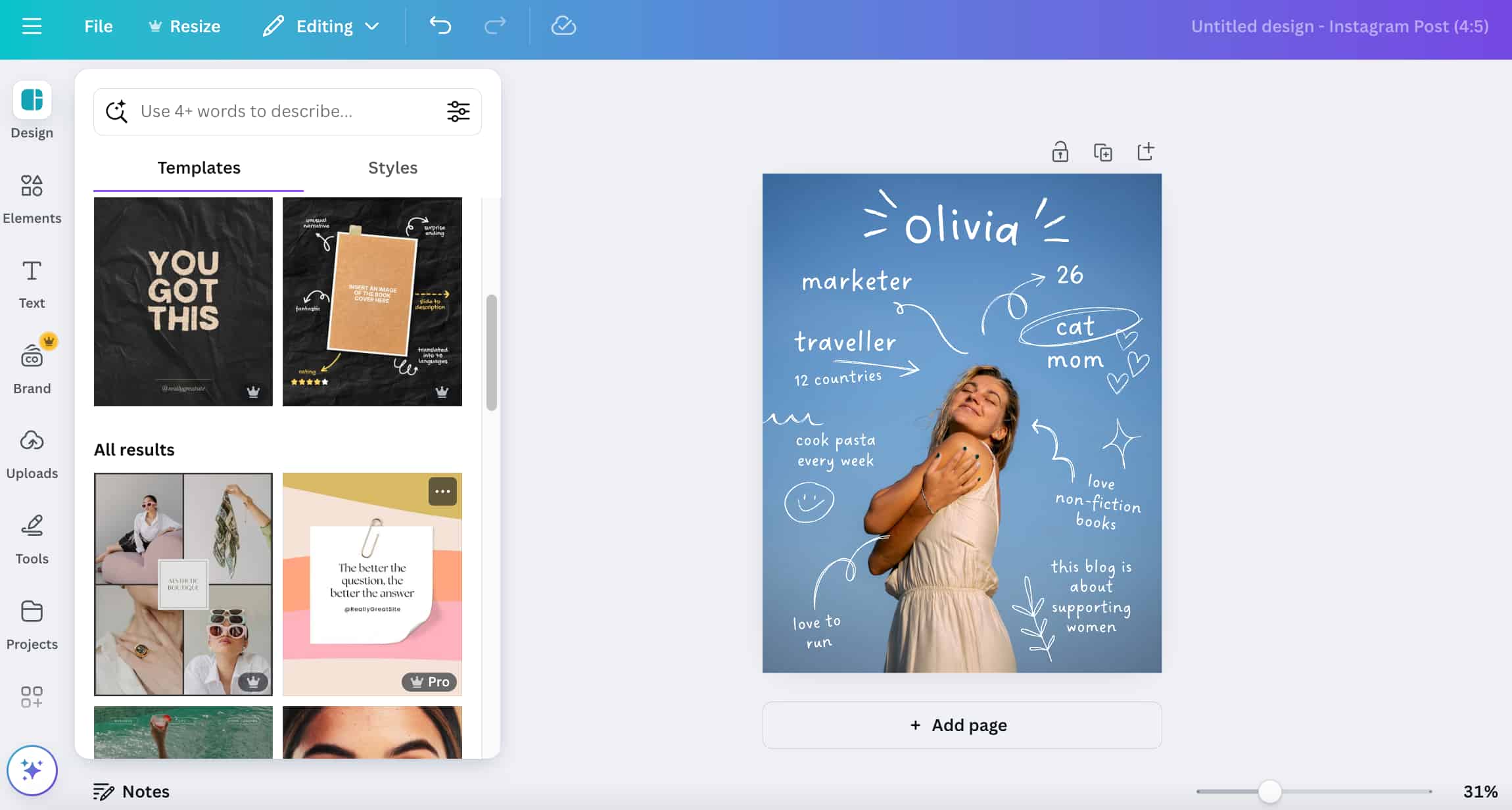
For small businesses without a dedicated graphic designer, Canva is a game-changer. It offers thousands of templates that make it easy to create high-quality social posts, stories and videos. The addition of scheduling features means you can go from a blank canvas to a published post in minutes, drastically reducing your production time.
Transform your small business social media with the right tools
The tools in this list cover every stage of the social media management process—from planning and publishing to listening and reporting. Start with the features that solve your biggest problem today, whether that’s saving time on scheduling or responding to customers faster. As your brand grows, layer in analytics and listening to make smarter decisions. The right platform grows with you, turning social media from a daily task into a real driver of business results.
Start a free trial of Sprout Social today
Social media management tools for small business FAQs
Which social media platform is best for small businesses in 2026?
There is no “one-size-fits-all” answer, but data shows that Facebook, Instagram and YouTube continue to drive the highest business impact across all generations. For B2B small businesses, LinkedIn remains the gold standard. We recommend choosing one or two platforms where your specific audience is most active rather than trying to be everywhere at once.
How do I measure the ROI of social media for my small business?
Move beyond “vanity metrics” like likes or follower counts. Instead, track conversions, lead velocity and referral traffic to your website. If you use a tool like Sprout Social, you can tie social interactions directly to revenue by tracking how many customers discovery your products through social search or direct messaging.
37 free social media strategy templates that will elevate your workflows
Published on December 5, 2025 Reading time 15 minutes





Share