How to make money on YouTube in 2026 (and what creators should expect)

Written by Brent Barnhart
Published on February 11, 2026
Reading time 9 minutes

Table of Contents
Trying to figure out how to make money on YouTube?
Because there’s a big window of opportunity for monetizing videos.
YouTube’s audience is massive. Viewers are logging in daily on the platform, watching hours upon hours of content each week.
YouTube’s ad revenue continues to grow year over year, making it one of the most lucrative platforms for content creators.
Thing is, translating views into cash doesn’t happen by accident. It’s not just about uploading videos or promoting your YouTube channel. You need a strategy.
That’s why we wrote this breakdown of how to make money on YouTube and what to expect along the way. Along with classic monetization techniques, we’ve included fresh, innovative ways to earn money on the platform in 2026.
YouTube monetization requirements in 2026
Before you start earning ad revenue, you need to meet specific eligibility requirements for the YouTube Partner Program (YPP). These thresholds ensure that creators are building active, authentic communities.
To apply for the YouTube Partner Program in 2025, you must meet the following criteria:
| Requirement | Details |
|---|---|
| Subscribers | 1,000+ subscribers |
| Watch time | 4,000 valid public watch hours in the last 12 months OR 10 million valid public Shorts views in the last 90 days |
| AdSense account | Active, linked Google AdSense account |
| Security | Two-step verification enabled |
| Compliance | Meets YouTube’s channel monetization policies and Community Guidelines |
Keep in mind that the YouTube Partner Program isn’t available in every region, so check if your country is eligible before you start grinding toward these goals.
As you work toward these thresholds, it’s smart to track your progress across all your social media platforms. Using a tool like Sprout Social to monitor your growth on YouTube alongside Instagram and TikTok supports you in identifying which content formats drive the fastest audience growth.
10 ways to make money on YouTube (that actually work)
Recent YouTube stats show the platform is a goldmine for creators. But monetizing content requires strategy; you shouldn’t sacrifice entertainment value or authenticity for dollars and cents.
The good news? There’s no single “right” way to monetize your videos. You have multiple options based on your content, audience and promotional strategy.
1. Join the YouTube Partner Program
No surprises here! The YouTube Partner Program allows creators to earn revenue with ads run on their videos.
Let’s look at a quick snapshot of YouTube‘s Partner criteria. Assuming you’re in line with the platform’s monetization policies, you need:
- 4,000+ authentic public watch hours within the past year or 10 million valid public Shorts views within the past 90 days
- 1,000+ subscribers
- An active and linked Google AdSense account
Chances are you’ve seen your fair share of YouTube ads. From in-video to pre-roll, ads are a relatively hands-off way to make money on YouTube.
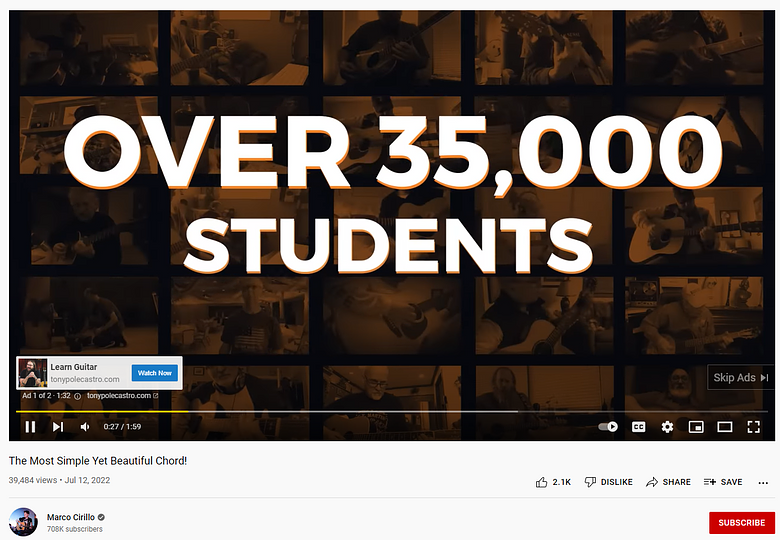
Ad revenue varies based on multiple factors:
- Viewer demographics: Location and age impact advertiser demand
- Advertiser relevance:Whether brands want to reach your audience
- Content niche: Finance and tech channels earn higher CPMs than entertainment
According to YouTube themselves, there are “no guarantees” for payouts or revenue share.
While “$1 per 1,000 views” used to be the norm, times have changed. As the YouTube algorithm has evolved, so have the Partner Program and ad policies. For example, the platform has explicit restrictions for advertising on YouTube Kids. Many major ad categories and targeting features are removed from videos intended for children.
You’re looking at a numbers game regardless. You need to be earning thousands (or millions) of views per video to see any meaningful revenue.
Not sure about running ads on your channel? That’s understandable. Again, monetizing videos shouldn’t hold back your channel’s growth.
Stuffing your videos with unskippable ads makes them borderline unwatchable. That said, a few ads here and there is fair game.
2. Earn support from subscribers with a channel membership
YouTube’s channel memberships are designed to support creators looking to make money.
Think of memberships like a Patreon or Twitch subscription. Subscribers pay a monthly fee in exchange for channel-specific perks. This includes exclusive content, chat badges and more. These benefits vary based on your membership tier.
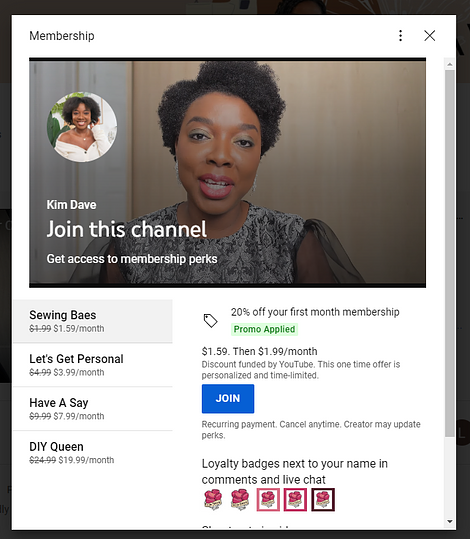
This feature is most relevant to creators who post most of their content to YouTube rather than treat it as a secondary platform. If you’re doing regular live streams or posting daily, memberships make perfect sense.
The eligibility for channel memberships is identical to the Partner Program.
3. Put promotional links in your video descriptions
Promo links are a low-hanging way to make money on YouTube without running ads.
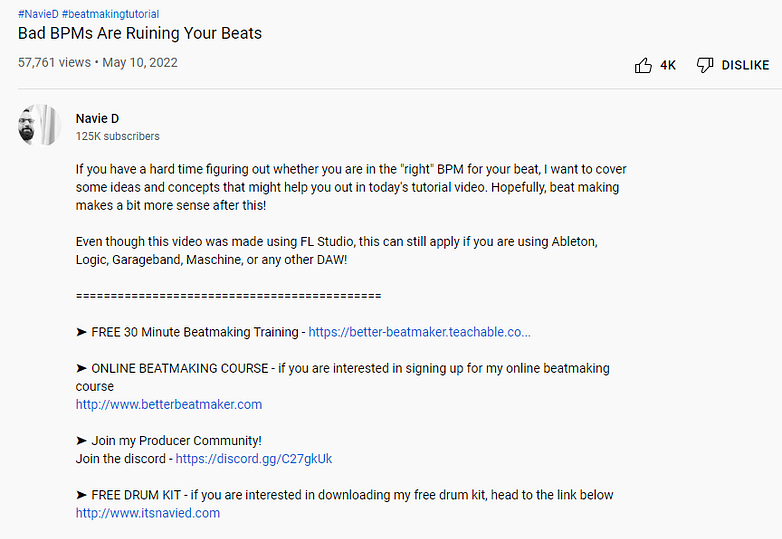
Your video descriptions are valuable real estate—YouTube gives you 5,000 characters to work with. Strategic link placement turns YouTube traffic into conversions:
- Lead magnets: Free courses, downloads or resources that build your email list
- Your website: Drive traffic to your main digital hub
- Product pages: Direct links to merchandise or ecommerce shops
Below is an example of how creators can promote their own products in a video description. If nothing else, links turn YouTube traffic into on-site traffic.
4. Feature sponsors in your videos
Sponsored YouTube videos are popular among big and up-and-coming creators alike.��Through sponsored content, you’re promoting a brand within your video at the beginning and end. Since these ads are part of your content, viewers can’t skip them.
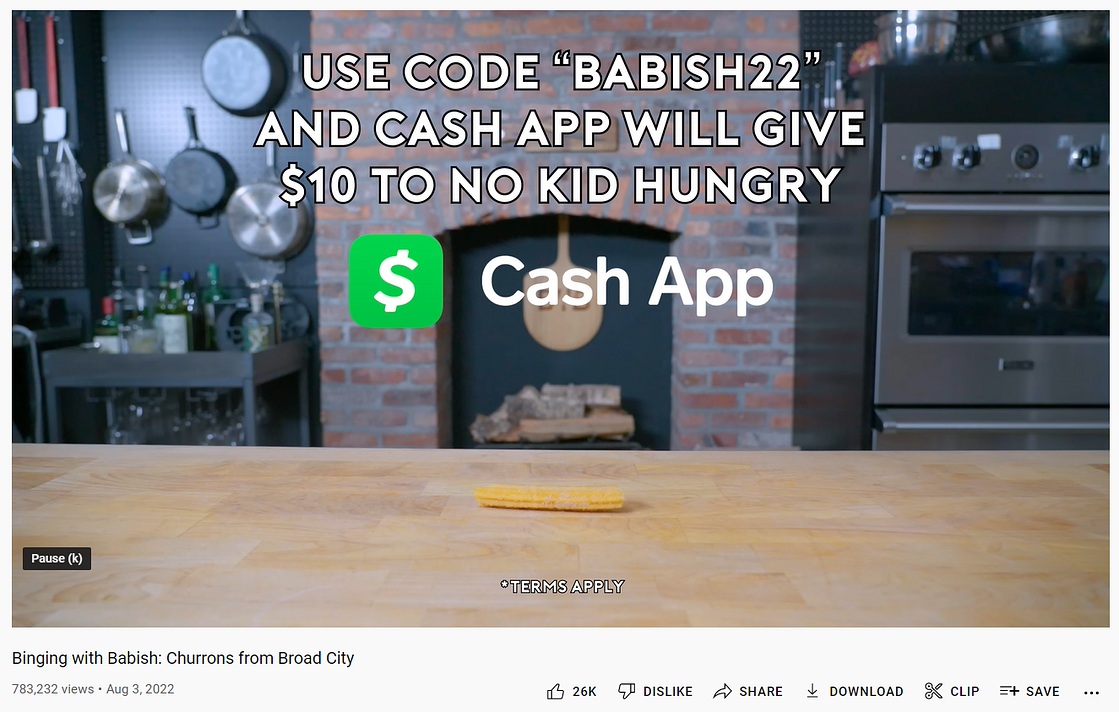
In the example above, Binging with Babish’s Andrew Rea bookends his sponsorship from Cash App at his video’s beginning and end. He also highlights the sponsorship in the video description.

Audiences are sometimes critical of sponsored videos when the sponsorship is totally irrelevant to the creator, their content or viewership. The best sponsored videos represent some sort of creative tie-in that doesn’t distract from the creator’s style. This sponsored video from Beauty Within featuring skincare brand Whind is a good example.
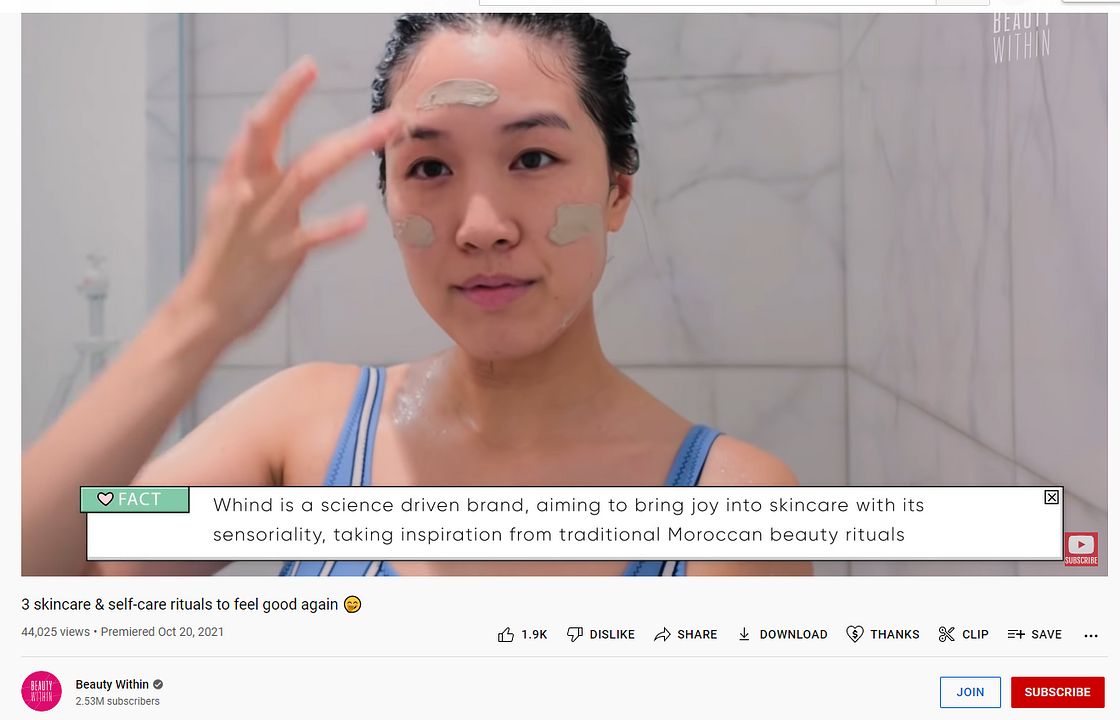
These sorts of promotions are a win-win for creators and advertisers alike.

5. Publish product-focused promotional videos
Branded videos are created with the specific intent to promote a product or service. These videos fall into three categories:
- Paid reviews:A brand compensates the creator in exchange for their content or review
- Brand partnerships:The brand provides talking points and instructions (think: influencer or brand ambassador content)
- Affiliate content:The creator highlights a brand and earns commission through affiliate revenue
These types of videos are common among beauty and skincare brands where creators unbox PR packages on camera.
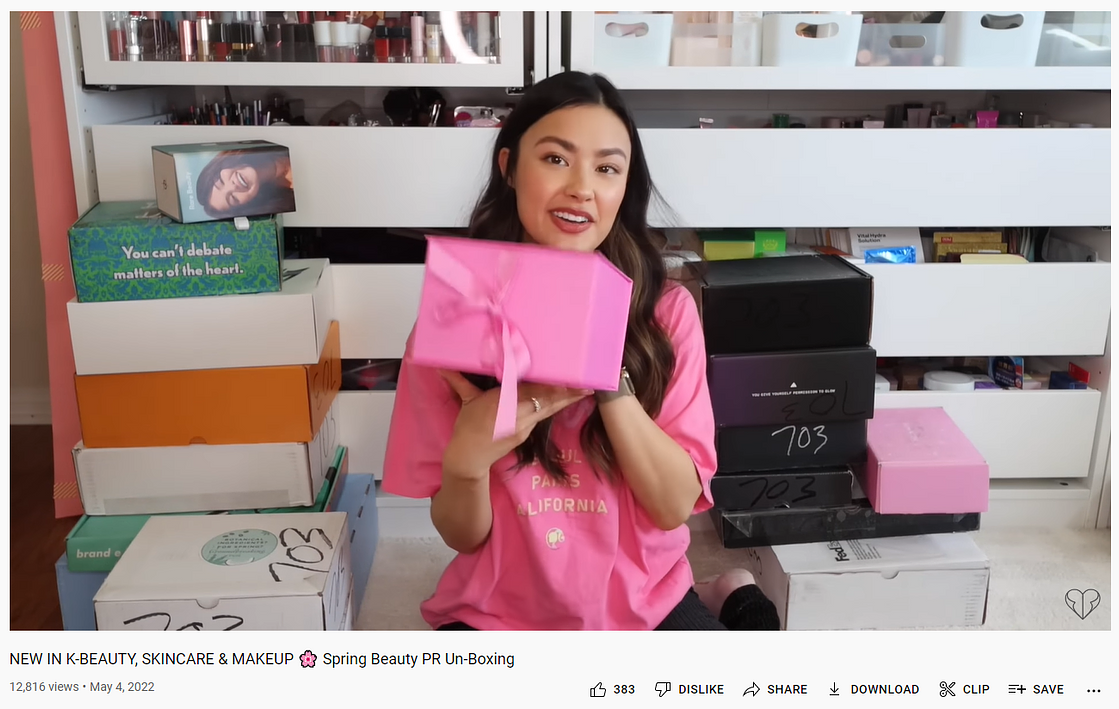
Below is another example from a creator going into detail about Liquid IV and how it works.
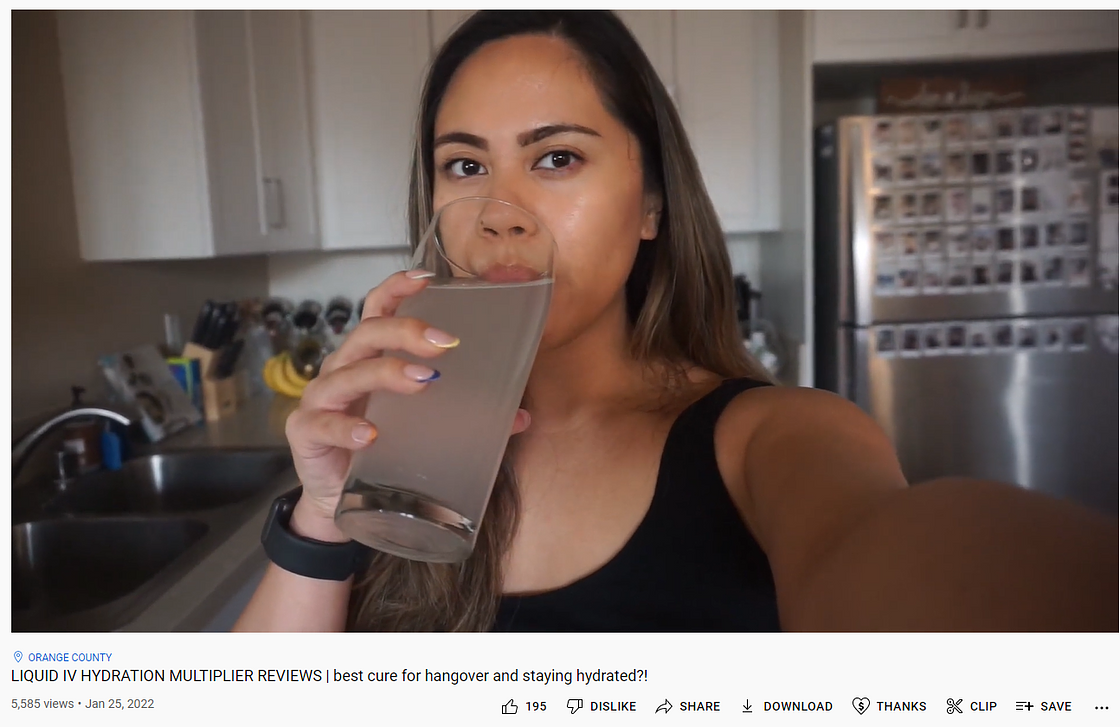
In the video’s description, the creator’s promotional link is front-and-center.

These types of videos aren’t as common because they feel a bit direct when it comes to promotion. That said, they’re relevant to industries like beauty, health and fitness where audiences like to hunt for products via YouTube.
6. Leverage affiliate marketing
Affiliate marketing is all about leveraging your influence to drive sales for other brands. You discuss products in your videos and provide direct links for viewers to purchase.
Every time a viewer clicks your link and makes a purchase, you earn a commission. It’s a win-win: brands get visibility and sales, you get a cut of the profits.
This tactic is popular among review channels and creators making “how-to” content. For example, this video from MyLifeOutDoors breaks down tips for getting better sleep while camping
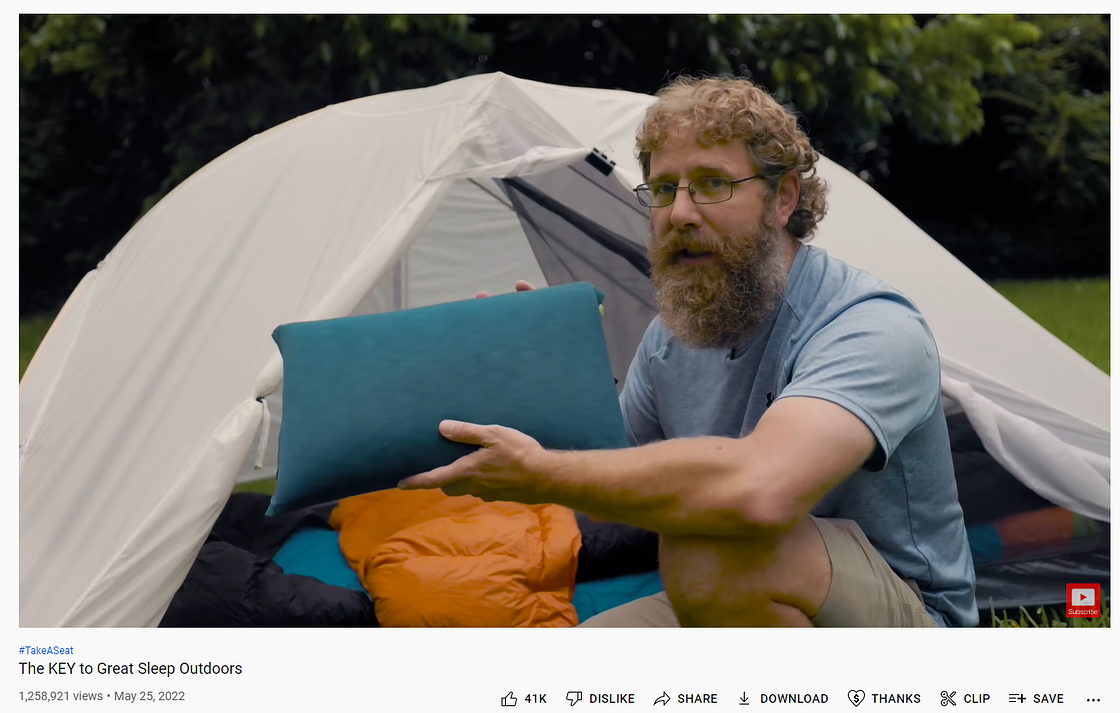
and provides affiliate links to the products mentioned in the video.

See how that works? The key here is that the products themselves are not the sole subject of the video. Some creators call out their affiliate links within their content and others don’t. The choice is yours!
Note: Affiliate links are allowed and don’t violate YouTube’s TOS, but the platform does have an explicit policy for external links. Make sure to review YouTube’s guidelines before dropping links in your videos.
7. Take advantage of crowdfunding
Crowdfunding is a great way to build community while funding your content creation. Platforms like Patreon allow your supporters to contribute a monthly amount in exchange for exclusive content and perks like BTS footage, shoutouts or early access to new videos.
For example, the cooking channel Made With Lau offers three membership tiers on Patreon:
They also make sure to promote their Patreon link in the descriptions of all their videos.
Also look into other crowdfunding platforms like Kickstarter and Indiegogo to fund your creative projects.
Just make sure to share a link with your viewers and always deliver on your promise.
8. Sell merchandise and custom products
Selling branded items on YouTube is a smart way to earn money, increase visibility and build a closer relationship with your followers.
But this type of social shopping works best if you already have a loyal fan base willing to spend money on your merch.
Depending on your niche, you’ll sell custom t-shirts, hoodies, mugs, caps or art. Got an inside joke? A catchphrase? A logo? Use it to create unique designs for your supporters.
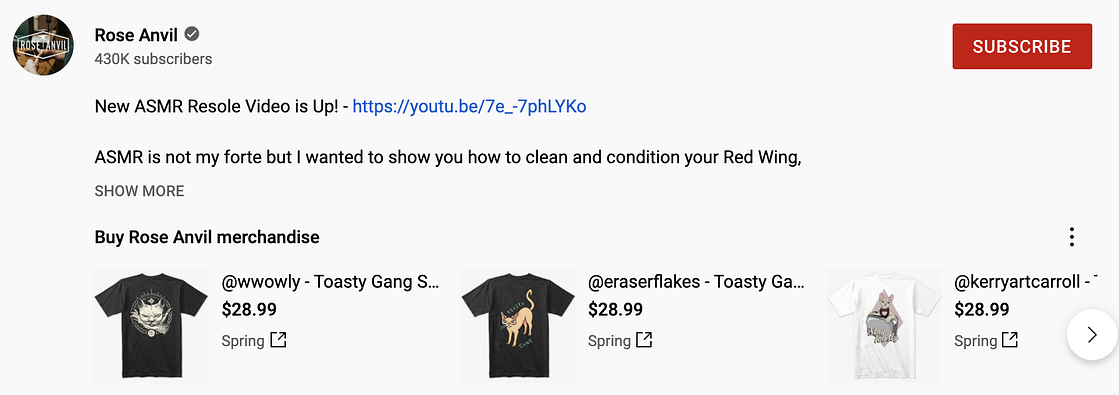
There are plenty of print-on-demand platforms you can use to design and ship merch without storing inventory:
| Platform | Best for | Key features |
|---|---|---|
| Printify | Product variety | 900+ products, multiple suppliers, mockup generator |
| Teespring | Creator-focused | Built-in storefront, social media integration, no upfront costs |
| Bonfire | Fundraising | Campaign-based selling, donation options, no minimum orders |
You’ll also hire freelance designers on Fiverr or use Canva to create your own creative designs to hand over to suppliers.
9. Enable YouTube Super Chat & Super Stickers
YouTube lets you engage with your audience directly and get paid for it thanks to Super Chat & Stickers. During a live stream, viewers pay to have their messages highlighted in the chat. They can also send Super Stickers paid animated images that float up in a live chat.
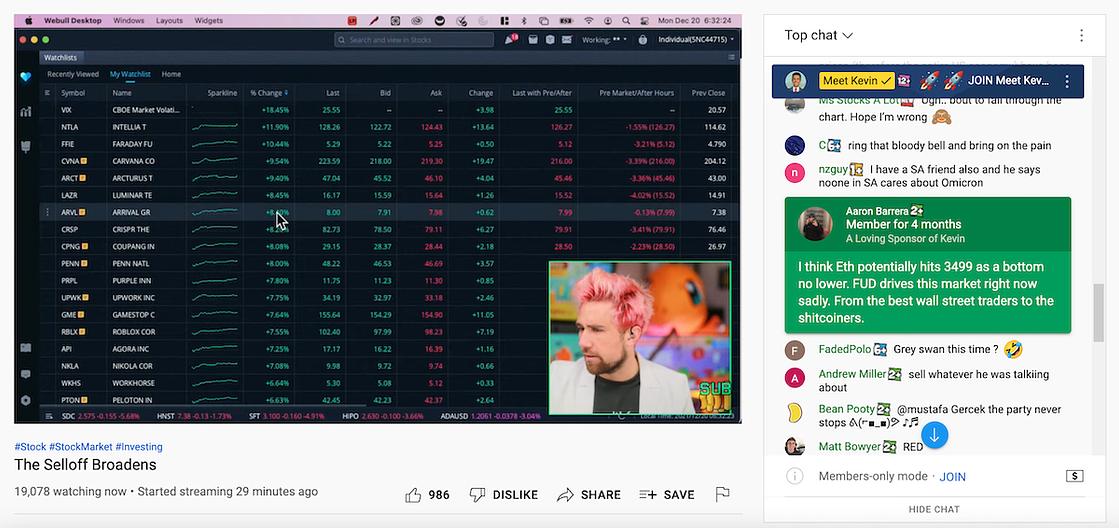
If you host regular live sessions, Super Chats and Stickers are a fantastic way to increase YouTube engagement, earn extra revenue and make your audience feel warm and fuzzy inside.
Turn on Super Chat by heading over to your monetization settings. Make sure you thank and appreciate viewers who support your channel and pay to get your attention.
10. License your content to external media companies
If you create a viral video or something unique or newsworthy other platforms or media outlets will want a piece of it.
Licensing allows them to use your content, but for a fee.
It’s a way to earn from content you’ve already created and amplify your content’s reach beyond your channel.
Proactively reach out to media agencies or wait for them to approach you. Or, list your content on Junkin Media where TV channels and news sites find and buy it.
YouTube monetization methods at a glance
| Method | Best for | Requirements | Earning potential |
|---|---|---|---|
| YouTube Partner Program | Established channels | 1,000+ subscribers, 4,000 watch hours OR 10M Shorts views | Variable (CPM-based) |
| Channel memberships | Active communities | YPP eligibility | $2-50+ per member/month |
| Promotional links | All creators | None | Varies by product |
| Sponsored content | Niche influencers | Engaged audience | $100-10,000+ per video |
| Branded videos | Product reviewers | Brand partnerships | Varies by deal |
| Affiliate marketing | Review/how-to channels | None | 5-30% commission per sale |
| Crowdfunding | Passionate communities | None | $1-100+ per supporter/month |
| Merchandise | Branded channels | Loyal fanbase | $5-50+ per item sold |
| Super Chat & Stickers | Live streamers | YPP eligibility | $1-500+ per stream |
| Content licensing | Viral content creators | Newsworthy/viral videos | $100-10,000+ per license |
What creators should expect in 2026
The creator economy moves fast, and 2026 is bringing significant shifts to how YouTubers earn money. Relying on ad revenue alone is becoming less viable as competition heats up.
Here is what creators should watch for this year:
- Shorts monetization is evolving: YouTube is competing hard with TikTok, leading to new ad formats and revenue sharing models for short-form video.
- YouTube Shopping expansion: The platform is pushing its affiliate program, making it easier for creators to tag products directly in videos and Shorts for commission.
- AI content policies: YouTube now requires creators to disclose AI-generated content. Failure to label realistic AI content leads to demonetization or removal from the Partner Program.
- Cross-platform leverage: The most successful creators aren’t just on YouTube. They use Instagram Reels and TikTok to drive traffic to long-form YouTube content.
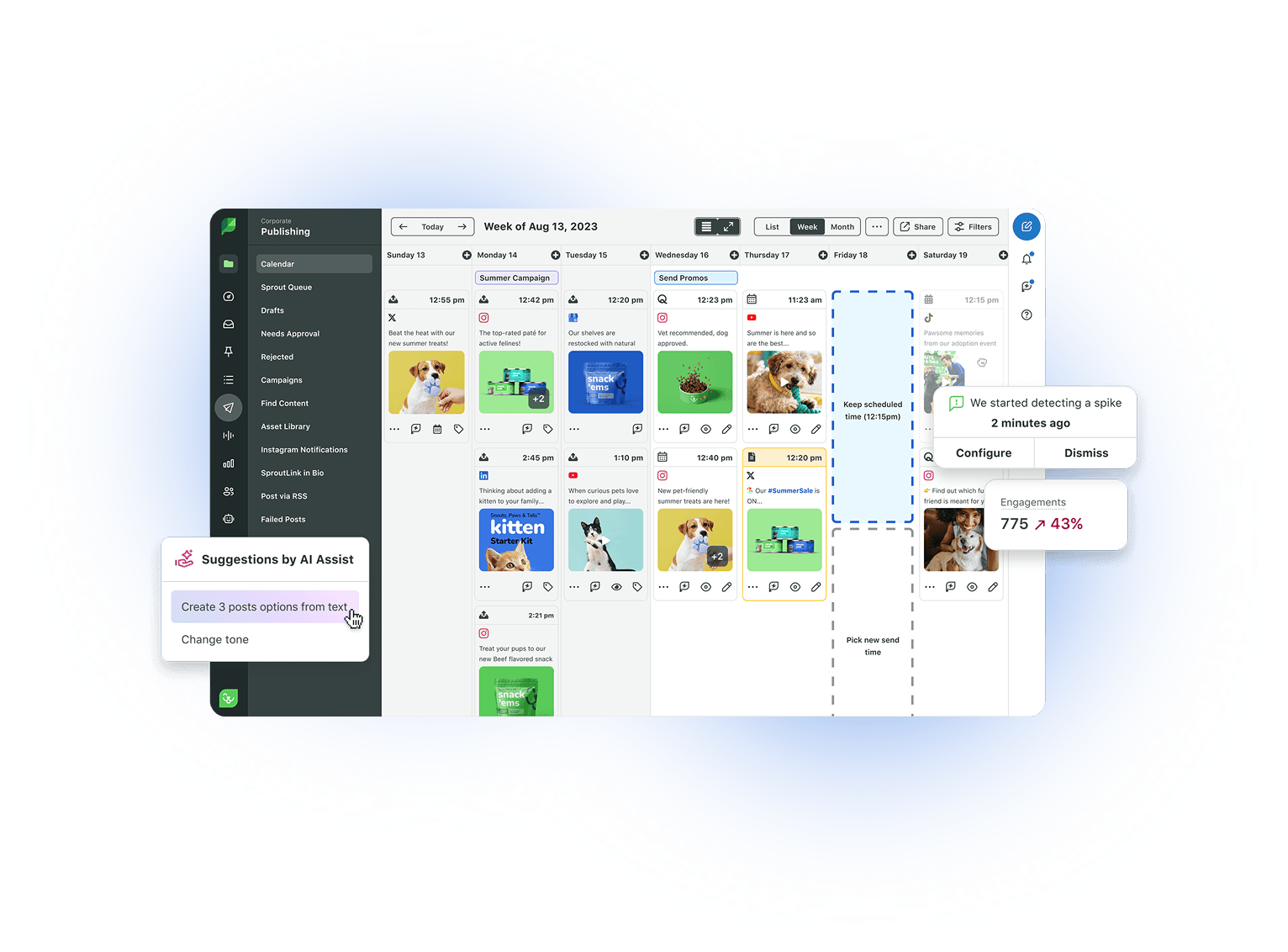
Managing this multi-platform strategy is complex. Professional creators use social media management platforms like Sprout Social to centralize scheduling and ensure consistent messaging across YouTube, Instagram and LinkedIn from a single dashboard.
With all these monetization options and platform changes, creators managing YouTube alongside Instagram, TikTok and LinkedIn face increasing complexity. The most successful creators don’t just post to YouTube. They build coordinated strategies that amplify content across every platform where their audience spends time.
Streamline your YouTube strategy to maximize earnings
Making consistent income from YouTube requires strategic effort and consistency across all your social media platforms. Successful creators don’t treat YouTube as an isolated channel. They build coordinated strategies that amplify reach and engagement everywhere their audience spends time.
As your channel grows, managing YouTube alongside Instagram, TikTok, LinkedIn and other platforms becomes increasingly complex. You’re juggling content calendars, repurposing videos and tracking performance across multiple dashboards.
Professional creators streamline these workflows by centralizing content planning, scheduling and analytics. Tools like Sprout Social support you in coordinating YouTube launches with Instagram Reels and TikTok videos, ensuring your audience sees your content no matter where they spend their time. With unified analytics, you can identify which platforms drive the most engaged viewers to your YouTube channel.
Ready to scale your multi-platform creator strategy without juggling multiple dashboards?
Start a free trial to explore how Sprout Social supports creators in scheduling YouTube launches, tracking cross-platform analytics and maximizing engagement across all social media platforms from one platform.
And if you haven’t already, check out our in-depth guide to YouTube marketing to take your channel to the next level.
Frequently asked questions about making money on YouTube
Can you make money on YouTube with 500 subscribers?
Not through the YouTube Partner Program. You need 1,000 subscribers for that, but yes through affiliate marketing, sponsored content, merchandise sales and crowdfunding platforms like Patreon. Many creators start earning through these methods while working toward YPP eligibility.
How long does it take to start making money on YouTube?
Most creators take 6 to 18 months to reach YouTube Partner Program requirements (1,000 subscribers + 4,000 watch hours or 10 million Shorts views), but timelines vary based on content niche, posting consistency, video quality and promotional strategy. Some creators monetize through sponsorships and affiliate links much sooner, sometimes within the first few months.
How much does YouTube pay per 1,000 views?
YouTube pays between $0.50 and $5 per 1,000 views, depending on factors like viewer location, video niche and advertiser demand. More views don’t always equal more money. A finance channel earns $5 per 1,000 views while an entertainment channel earns $0.50.
Do you need 1,000 subscribers to make money on YouTube?
You need 1,000 subscribers to join the YouTube Partner Program and earn ad revenue, but methods like affiliate marketing, sponsored content, merchandise sales and crowdfunding work regardless of subscriber count. Focus on building an engaged audience. Even smaller communities generate meaningful revenue through alternative methods.
How many views do you need to make money on YouTube?
You need 4,000 valid public watch hours in the last 12 months or 10 million valid public Shorts views in the last 90 days to qualify for the YouTube Partner Program. But you’ll earn money through affiliate marketing, sponsorships and merchandise sales with any view count.
How many subscribers do you need to make money on YouTube?
You need 1,000 subscribers to join the YouTube Partner Program, but you’ll earn money through other methods with any subscriber count. Focus on fostering community and maintaining a consistent upload schedule. A higher subscriber count doesn’t automatically result in bigger payouts.
How to make money on YouTube without posting videos
Making money on YouTube without posting videos isn’t ideal. Every platform has different content types, styles and expectations. Repurpose content by republishing Reels as YouTube Shorts or converting live streams into long-form videos.


Share