Luxury brand social media marketing: Strategies by UK brands that scale globally

Written by Emily Jenkins
Published on January 29, 2026
Reading time 10 minutes

Table of Contents
Luxury brands don’t chase trends. They set them.
Social media is where that influence takes shape in real time. It’s where your brand can inspire, excite and share its vision through carefully crafted stories and visuals.
As Maxime Bicard, Director of Digital Brand and Social Media at Versace, said on Sprout’s Social Creatures podcast, luxury social media content is “an extension of the way [top luxury brands have] always communicated, which is through being inspirational.”
Below, we’ll explore what makes social media marketing different for luxury brands and how to build an inspiring presence without compromising exclusivity.
What makes luxury social media marketing different
Luxury brands play by their own rules. As Maxime Bicard put it on Sprout’s podcast, “It shouldn’t be social channels that dictate how you communicate about the brand. It’s the other way round.”
Unlike mass-market brands that chase trends or visibility, luxury marketing campaigns deliberately build distance. They communicate to inspire, not to engage for engagement’s sake. The quiet moments matter as much as the loud ones because they reinforce an elevated identity.
Scaling a luxury brand in 2026 requires a radical commitment to brand DNA. Join us on Thursday 5 March for an exclusive session with Dolce & Gabbana to uncover the secrets behind their storytelling mastery and influencer resonance.
Signed up? Excellent, let’s talk about how exclusivity fuels desire and how overexposure can quietly undo it.
The psychology of exclusivity and aspiration
Exclusivity is the engine of aspiration. It makes luxury products feel more desirable and a brand feel more meaningful.
Research published in the Journal of Brand Management (2024) shows that when brands use exclusivity well, it elevates how people think, feel and talk about the brand. In turn, that strengthens functional, emotional and social value.
As a result, buyers don’t just want the item. They want to belong to the world that created it.
The risks of overexposure
For exclusivity to inspire aspiration, it has to be just that—exclusive. If you slip into overexposure, the desire fades.
The same study in the Journal of Brand Management explores this idea, showing that not all forms of rarity build lasting value. Natural rarity, with its roots in craftsmanship or limited production, heightens emotional connection and social status.
On the other hand, virtual rarity, like endless “limited drops” or hype-driven releases, may grab attention, but it erodes prestige when overdone.
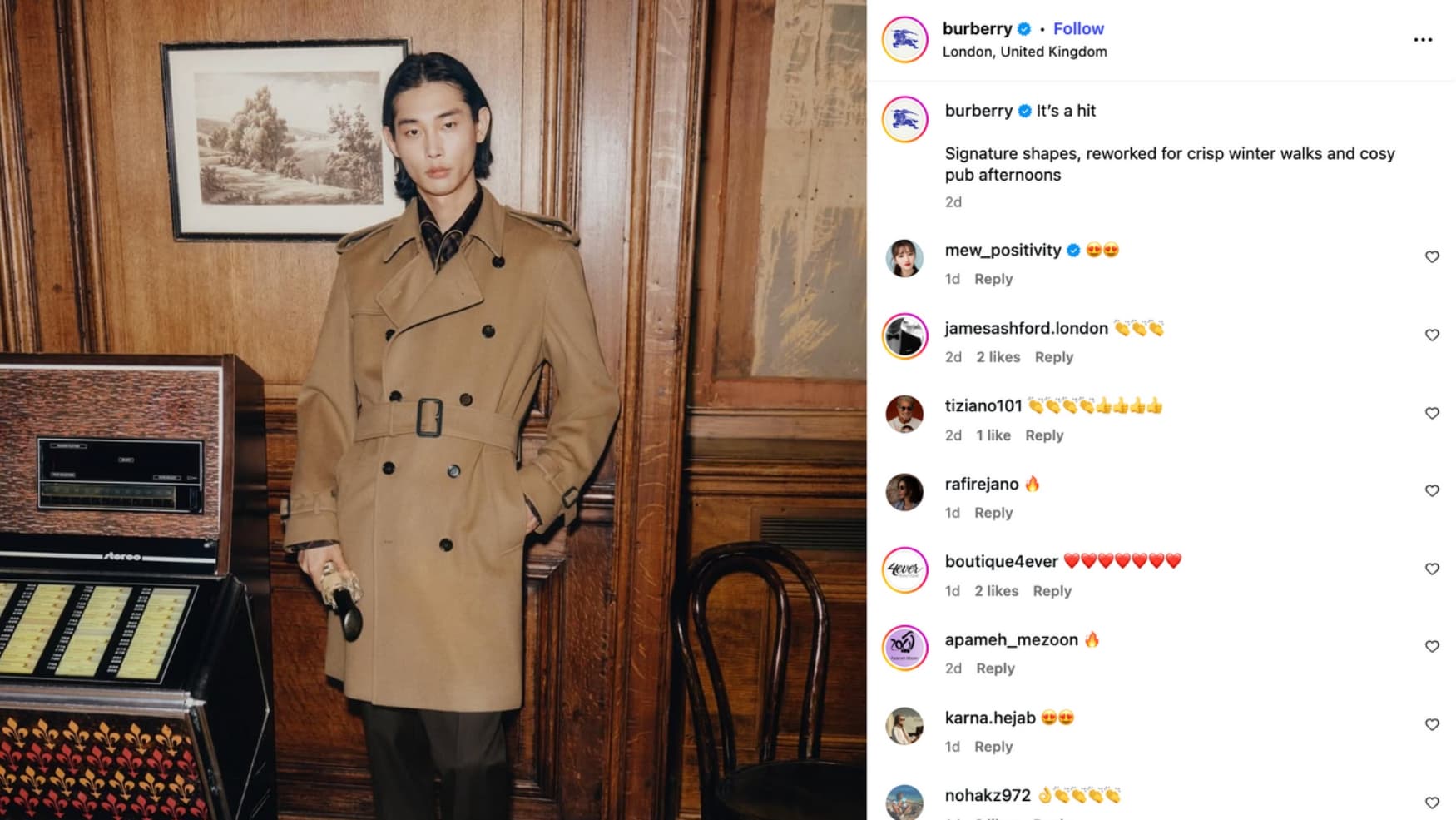
Burberry offers a great example of how to balance exclusivity and visibility in your online presence. The brand’s posts are understated, confident and restrained. There’s no push to explain, over-sell or show off the most well-known items.
Instead, Burberry uses captions like the one below: “Signature shapes, reworked for crisp winter walks and cosy pub afternoons.”
(Source: Instagram)
The tone says, “If you know about our signature style, you know. And if you don’t, we’re not for you.”
Even the lack of replies in the comments adds to the quiet sense of distance. A brand like Burberry doesn’t need to jump into every conversation. Its presence sparks conversation on its own.
Luxury brands also demonstrate this through deliberate posting cadence. As Bicard notes, some of the most successful luxury brands now post less often, but with purpose: “I think a lot of brands are trying to get out of this mentality of saying, ‘Okay, we need to post twice a day, we need to post every day,’ because if the content isn’t right, it’s not going to serve you.”
Ultimately, two perfect posts say more than twenty average ones. And in your luxury marketing strategy, restraint offers the ultimate signal of confidence.
6 timeless strategies for luxury social media success
Luxury brand marketing moves at its own rhythm. It’s less about constant visibility and more about long-term influence that balances heritage, creativity and innovation across every social network.
The following social media strategies show how luxury brands can translate timeless values into modern storytelling, while protecting exclusivity.
1. Curate over broadcast
Luxury brands don’t jump on trends. They know their brand personality and they use social to reinforce it. As Versace’s Maxime Bicard put it, “Don’t try to work around the algorithm, try to do what’s best for your brand.”
The best way to do this is to post less but with purpose. A curated approach builds anticipation and protects your brand equity. Tools like Sprout’s Campaign Planner help you build a cohesive, high-end brand presence by letting you visualise long-term campaigns at a glance.
(Source: Sprout Social)
Seeing every post together makes it easier to shape a consistent narrative over time—one that stays true to your creative direction and luxury ethos.
Plus, the built-in approval workflows act like a creative safeguard that helps you catch anything that feels out of place before it reaches the feed. It gives you space to edit, polish and ensure every post strengthens the story your brand is telling, rather than distracting from it.
2. Design premium visual storytelling
In luxury, visuals don’t just show what you sell. They signal exquisite taste, high-quality craftsmanship and a sense of prestige.
As Maxime Bicard explained, even though the increasing use of social means there’s more luxury content in feeds than before, it still carries high expectations: “Everything is amazingly beautiful, so controlled.”
That level of polish is what audiences associate with luxury: consistency, precision and restraint. But that high-class visual language needs to stay consistent across every platform so every post reflects the same standard of elegance.
Tools like Sprout’s Asset Library help you do this by providing a centralised hub to manage and share approved creative assets. This makes it easier to maintain that consistency and catch anything that feels off-tone or unrefined before it goes live.
3. Tell stories that reward attention
Luxury storytelling invites your target audience to slow down and sink into blissful comfort. You’re not oversharing every little detail. You’re creating moments that feel intentional.
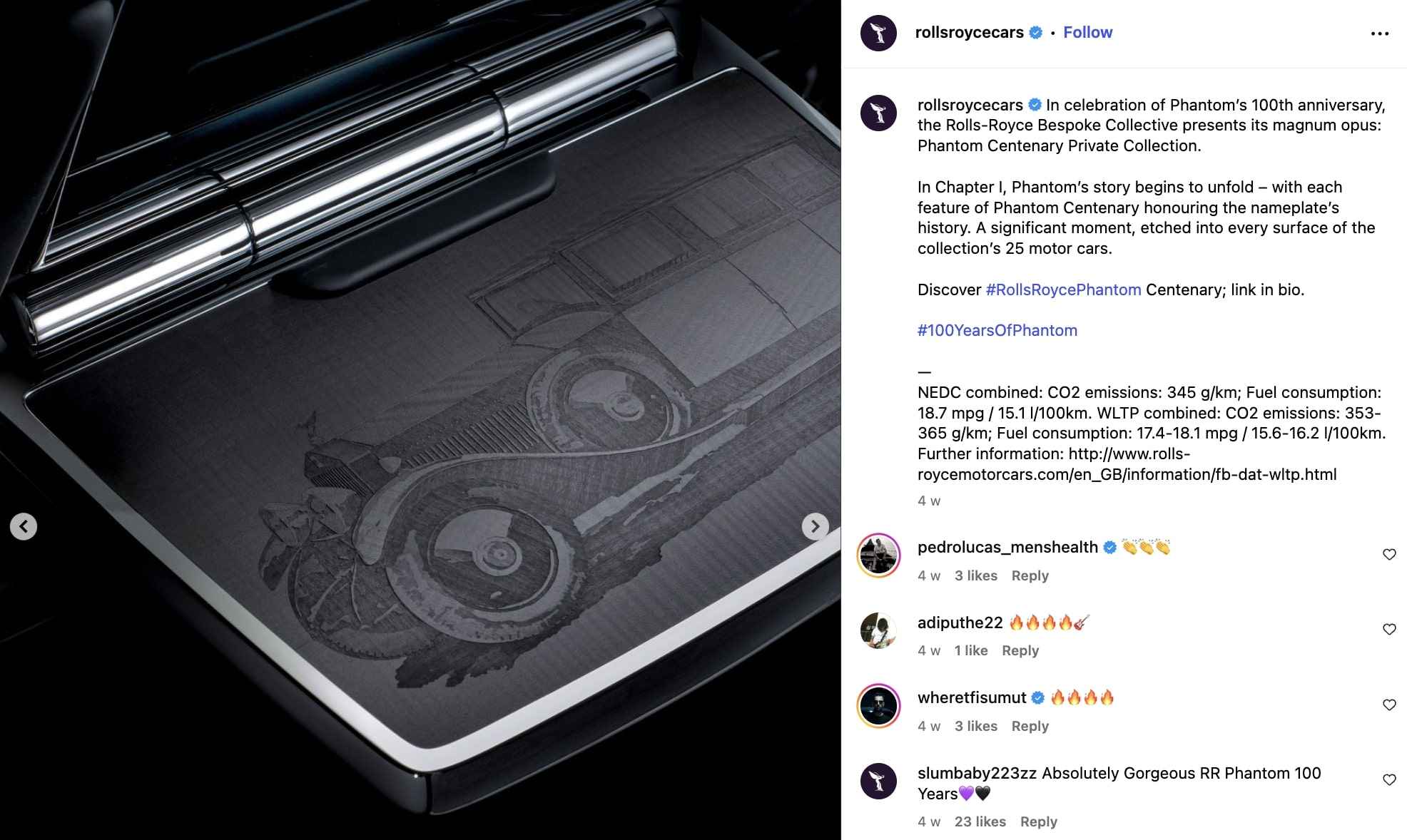
Rolls-Royce does this beautifully on its Instagram account, turning each post into a chapter of a larger narrative. Its Phantom Centenary series post illustrates this approach, unfolding the story of craftsmanship and legacy piece by piece:
(Source: Instagram)
Long-form captions, series-based storytelling and behind-the-scenes glimpses all help you achieve this emotional depth without diluting your mystique. And when every post contributes to a larger narrative, followers invest in your brand story.
It’s easier to tell that kind of layered story with the right tools. For example, Sprout’s Publishing Workflows enables you to coordinate messaging across markets and channels. This helps you align every chapter of your story, no matter where you’re telling it.
4. Partner with creators who elevate the brand
As Bicard explains, “Luxury brands are approaching authentic creators rather than typical influencers.” This is because luxury brands pick brand ambassadors for resonance, not reach.
It’s a shift from popularity to alignment. You need creators who embody your brand and whose audience mirrors those influencers. You’re looking for creators whose style, values and following all reflect the world you’re building. When they authentically live the brand, you’re not just reaching the right buyers, you’re defining who belongs.
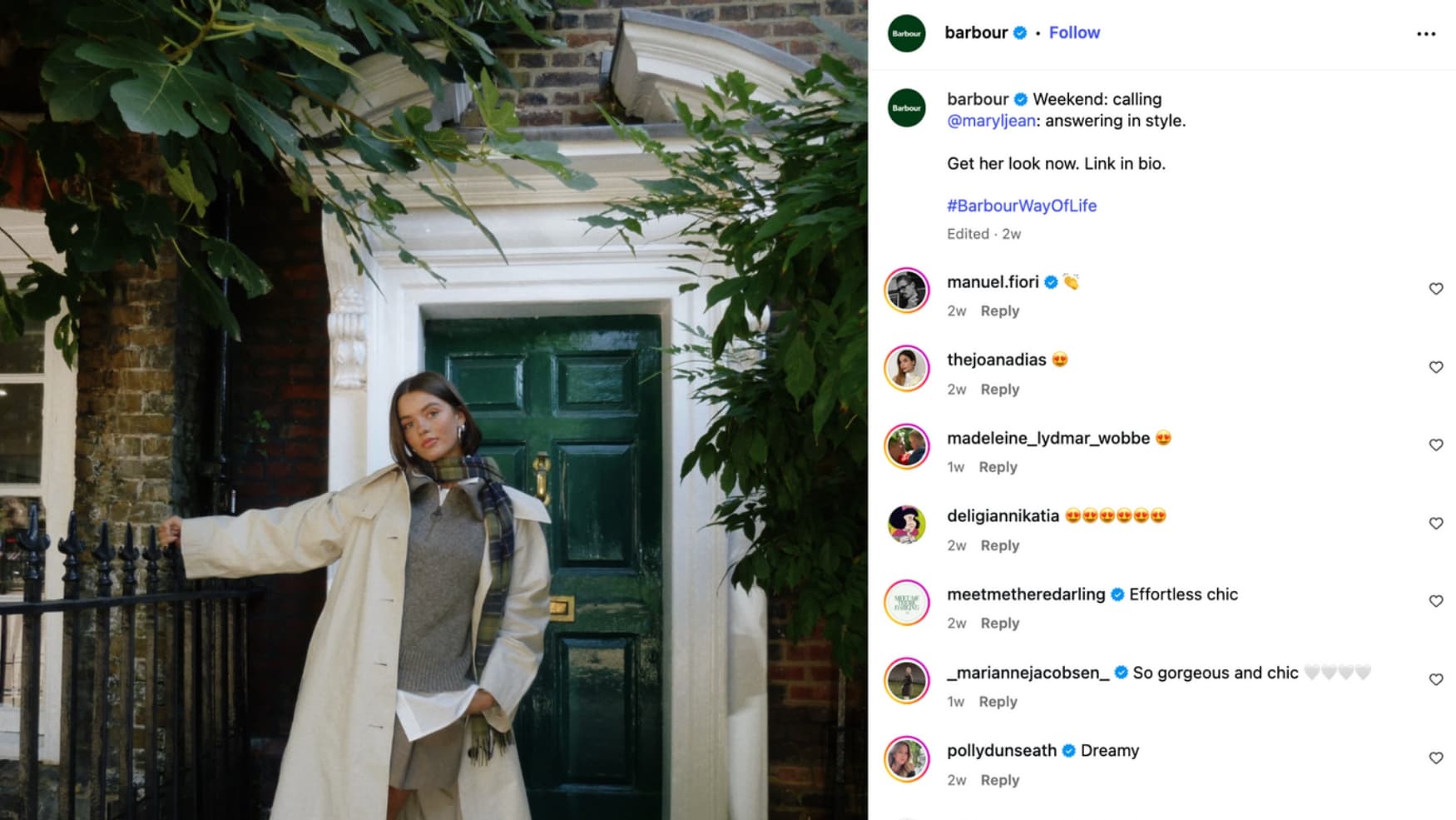
For example, luxury fashion brand, Barbour, partnered with @maryljean, a high-fashion creator whose polished, luxury-focused feed perfectly conveys the brand’s refined aesthetic:
(Source: Instagram)
For maximum impact, choose your UK influencers carefully. Be sure their content, audience and values align with your brand.
This is where tools like Sprout Social Influencer Marketing (a paid add-on) give you a head start. Instead of manually sifting through influencer accounts, you can identify your ideal creators by region, sentiment and style so that every collaboration feels authentic and brand-aligned.
5. Localise for global markets without losing brand voice
Your brand may be global, but your tone should feel local. Whether your audience is in London or Los Angeles, they should receive the same distinctive core message with a regionalised spin.
But localisation doesn’t mean completely changing your voice. It means adapting cultural nuance, imagery and timing while keeping your brand’s personality and point of view consistent.
The key to regional resonance lies in understanding the values of those local audiences. Social listening tools can help. With Sprout Listening (a paid add-on), you can track local sentiment and trending conversations to intelligently adapt your focus to each place without losing your core identity.
6. Balance heritage with innovation
Luxury thrives on history but grows through innovation. From archive-inspired campaigns to digital fashion, the most forward-thinking brands balance timeless craftsmanship with new media.
Bicard highlights this change in format: “There’s been most certainly a big shift towards video over the last three, four years.” But that’s not all that luxury brands are doing to push the envelope and keep the bold spirit of couture alive.
Huge luxury fashion brands now experiment with augmented reality (AR), immersive storytelling and virtual runways to immerse followers in their aesthetic.
For instance, Stella McCartney brought her sustainable ethos to life with an AR “mushroom grotto” try-on filter for the Vogue x Snapchat “Redefining the Body” exhibition. Through these AR activations, Stella McCartney seamlessly merged storytelling, technology and fashion.

(Source: FashionUnited)
But to experiment with confidence, you need creative freedom combined with control.
Sprout’s Publishing approvals and Tagging let you test new formats and automatically route posts through brand and regional reviewers. This ensures every experiment aligns with your visual standards, tone and campaign goals before it goes live.
How to curate community without compromising exclusivity
Luxury brands don’t create community through mass engagement. They build curated connections. The goal is to make the right audience feel included without diluting your brand’s air of mystery.
You don’t need to reply to every comment or open your DMs to the world. Instead, focus on intentional touchpoints that deepen loyalty while maintaining distance.
Here are a few ways to create an exclusive community on social:
- Use Instagram Close Friends to share limited behind-the-scenes moments with top customers and loyal advocates.
- Host invite-only Discord or WhatsApp groups for collectors or VIP clients to create spaces where access feels like a privilege.
- Spotlight community members through private events or limited-run collaborations rather than public shoutouts.
These quiet, deliberate gestures build belonging without overexposure, turning your audience into insiders who value being part of something rare.
Measure what strengthens perception, not just what performs
Luxury brands don’t measure success through reach and engagement alone. As Maxime Bicard explained: “Engagement or reach [don’t fully represent] the power of your brand message.” Instead, focus on resonance—the way your digital presence strengthens brand perception over time.
Learn how to measure the success of your luxury social media campaigns without leaning on vanity metrics.
Define high-value brand engagement
Rather than counting likes, figure out what meaningful interactions from luxury consumer segments look like. These often include the following metrics:
- Saves
- Branded hashtag usage
- Shares
- Referrals
- Positive sentiment
These actions signal that your brand is inspiring admiration, not just attention. They build what’s known as digital brand equity: the cumulative strength of your brand’s image and influence online.
Build a brand health dashboard
A health dashboard helps you see how people truly feel about your brand over time, rather than simply showing you how many people interact with it.
These dashboards bring together perception, sentiment and reputation metrics so you can understand the real impact of your social presence beyond short-term engagement.
Sprout’s Premium Analytics (a paid add-on) tracks these deeper signals through visual reports that show changes in sentiment, share of voice and long-term brand lift. That means you can make smarter, data-backed decisions about campaigns and messaging instead of relying on guesswork.
When you’re creating your luxury brand health dashboard, include the following metrics:
- Branded share of voice across key markets shows how often your brand is part of the social conversation compared to competitors.
- Sentiment towards creative campaigns or influencers reveals how audiences emotionally respond to your content and partnerships.
- Growth in referral traffic from social to ecommerce tracks how effectively your social presence drives qualified traffic and conversions.
- Engagement quality over time (saves, mentions, re-shares) indicates how deeply audiences connect with your content, not just how often they like it.
When you measure the factors that enhance perception (instead of just what performs), you align your social strategy with brand prestige rather than fleeting trends.
Trends shaping the future of luxury on social
Luxury is evolving and so is the way brands show up online. The next chapter of luxury marketing will balance timeless craft with cutting-edge customer experience to blend heritage styles with digital innovation.
Here’s how those trends are showing up today:
Editorial control in the age of speed
As a luxury brand, you can’t afford to sacrifice your refined image for quickfire posting, even in the high-speed motorway of social media, control matters.
Of course, you need to stay agile and responsive to audience sentiment, but you also need the time and space to make sure every post reflects your brand standards. You can achieve this precision with Sprout’s Publishing Workflows, where multi-level approvals and version control allow you to move fast without losing consistency and finesse.
Digital fashion, virtual try-ons and immersive experiences
Web3 and AR are reshaping how people experience luxury. Virtual showrooms, try-on filters and metaverse events let followers step inside your world. These tools invite interaction without eroding exclusivity.
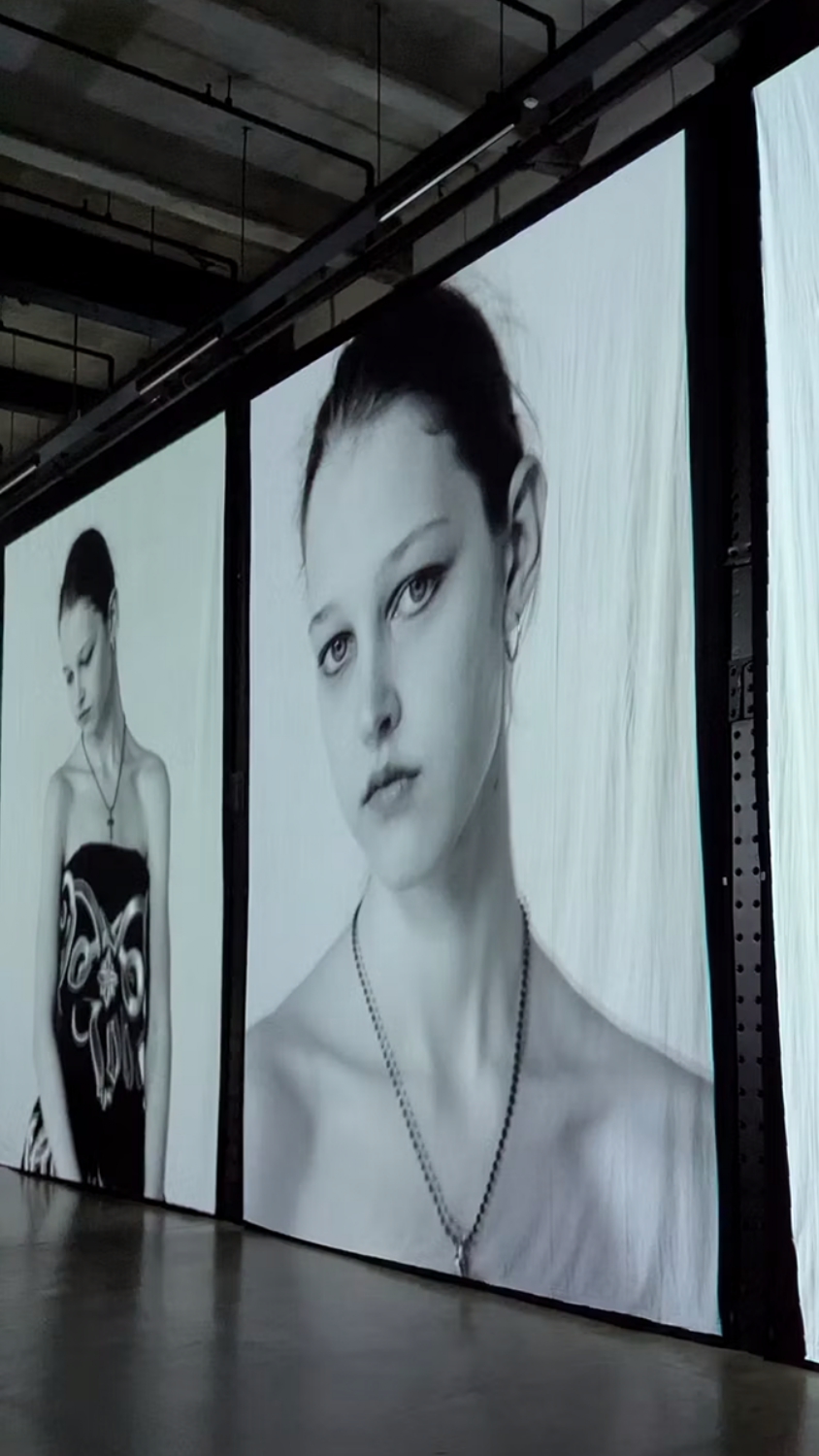
John Richmond’s Tate Modern showcase at London Fashion Week was a great example of this. The luxury fashion brand used AR to project digital versions of their garments into the guests’ surroundings:
(Source: Graduate Fashion Foundation)
The immersive activation bridged digital and physical fashion, showcasing the brand’s innovative side while preserving exclusivity.
Sustainability and value alignment
Consumers now expect environmental responsibility from luxury brands. Research in the Cleaner and Responsible Consumption journal notes that “the luxury fashion industry now embraces environmentally conscious approaches, reflecting consumers’ changing preferences and values.”
Ken Research supports this with a recent study that shows that in the UK, 64% of shoppers say they’re willing to pay more for eco-friendly luxury goods.
This is especially important if your brand targets younger audiences. According to McKinsey, Gen Z and Millennials are leading the sustainability charge, with 40% agreeing that environmental impact is extremely or very important when making purchasing decisions.
For luxury brands, this means going green and showing your commitment to sustainability on social media so your audience knows your environmental priorities.
Elevate every moment, measure every impact
Luxury brand social media marketing isn’t about being everywhere. It’s about being unforgettable. Every post, story and collaboration should reflect intent, craft and control.
With Sprout, you can scale social success without sacrificing precision. Use features like campaign planning, approvals and analytics to keep every asset on-brand and every post intentional, while grounding every decision in insight.
Ready to see how Sprout can help your luxury brand elevate every moment? Book a demo today.
FAQs about luxury brand social media marketing
What makes luxury brand social media different?
Luxury brands use social media to inspire, not sell. Every post protects the brand’s image and mystique, with a focus on storytelling, craftsmanship and emotion rather than constant engagement.
What platforms work best for luxury audiences in the UK and US?
Instagram and TikTok are the best platforms for luxury audiences in the UK and US. They lead in visual storytelling and creator-led inspiration. At the same time, LinkedIn is growing for luxury business and fashion executives. Pinterest and YouTube also perform well for lifestyle and long-form creative content.
How does social media improve brand perception for high-end brands?
Strategic social media builds digital prestige. By curating imagery, partnering with aligned creators and engaging selectively, luxury brands strengthen awareness and desirability while maintaining exclusivity.
37 free social media strategy templates that will elevate your workflows
Published on December 5, 2025 Reading time 15 minutes








Share