Customer experience management: How to deliver better support

Written by Emily Jenkins
Published on December 12, 2025
Reading time 10 minutes

Table of Contents
Customer experience management (CXM) is non-negotiable for modern brands. The sheer volume of channel interactions and the demand for round-the-clock social media customer service mean care teams need to be ready to connect everywhere, all the time.
Customer expectations are higher than ever and a single bad experience can cost you a customer.
That’s why you need a CXM strategy that connects every touchpoint and streamlines workflows—delivering personalized experiences at scale.
Here’s how to build a strategy that works.
What is customer experience management?
Customer experience management (CXM) is how brands plan, deliver and optimize every customer interaction. The goal is to ensure the end-to-end experience is consistent, personalized and positive across all channels and touchpoints.
It’s built on three core pillars:
- Customer data: The messages, feedback, purchase history and behavior signals from across the customer journey
- Technology: The tools to analyze that data, uncover pain points and trends and deliver personalized experiences at scale, as well as guide future strategies
- Cross-team workflows: Processes that break down silos, sharing full context during handoffs so agents can deliver consistent service without forcing customers to repeat themselves.
Together, these pillars create positive experiences that boost customer satisfaction, build brand loyalty and reduce churn.
CXM vs. CSM vs. CRM
While they sound similar, CXM, customer success management (CSM) and customer relationship management (CRM) serve distinct roles in customer engagement and retention.
Here’s a quick breakdown of the differences:
- CXM (Customer experience management): Designs and optimizes the entire customer journey, from first contact to post-purchase. The focus is on the end-to-end experience to drive loyalty.
- CSM (Customer success management): Ensures customers achieve their desired outcomes when using a product or service. The focus is on product adoption and retention.
- CRM (Customer relationship management): A system that stores and organizes customer data (leads, profiles, sales activity). Its primary job is to manage customer information and relationships for sales and service.
Benefits of customer experience management
By uniting customer insights, technology and workflows, customer experience management transforms everyday service into a competitive advantage. With an effective strategy, you’ll see improvements in the following areas:
- Higher customer satisfaction, due to personalized experiences and consistent service
- More loyal customers from building trust at every touchpoint
- Improved operational efficiency via centralized customer service software that breaks down silos
- Smarter decision-making from using real-time insights from customer feedback
- Greater profitability from reduced customer churn and repeat purchases
- Stronger brand experience from being ahead of the curve and consistent with customer experience management
The importance of customer experience management
Customer experience management is a direct driver of loyalty, efficiency and growth. Care teams understand this, but often struggle to identify where existing processes fall short—even as expectations for exceptional service keep rising.
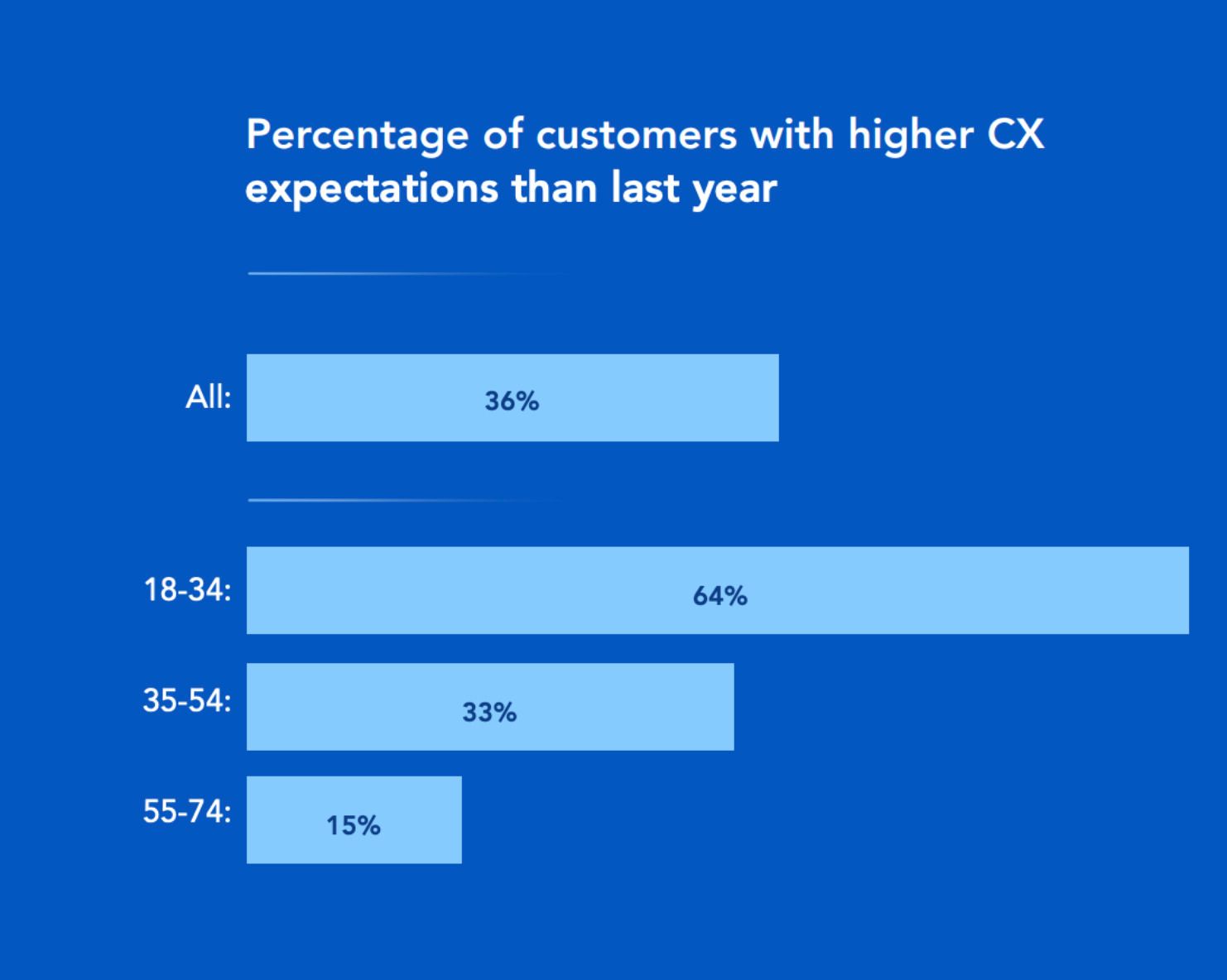
(Source: Verint)
A 2025 survey from Verint shows that more than a third of buyers have higher customer service expectations than last year. If companies don’t craft a CXM strategy that meets those expectations, loyalty will suffer.
Here’s why a customer experience management strategy is essential:
Strong experiences drive lasting customer loyalty
Exceptional customer experiences are the backbone of loyalty. Positive interactions build trust and emotional connection, signaling to customers that you understand and value their needs.
Social users know this best: How a brand interacts and how quickly it responds are two of the most important factors that make it stand out. Timely, well-considered care is a clear differentiator in a crowded market.
When users receive positive experiences from brands, they put their loyalty into action. For example, Verint’s survey also shows that 86% of customers say they’re likely to buy again after receiving good customer service and 81% would recommend the brand to a friend or family member.
The takeaway? You don’t buy loyalty with flashy campaigns—you earn it through consistently excellent everyday interactions. Equip your social team with the tools and insights to reply quickly, track conversations across channels and personalize responses.
Proactive care reduces escalations and risk
If your brand is only noticing problems when a customer reports them, it means you’re missing critical signals. That reactive approach erodes trust and confidence.
That’s why proactive communication matters most.
Customers want reassurance that a business is monitoring their needs and taking action before issues escalate. This is especially critical in industries like banking, healthcare and utilities, where timely updates prevent stress.
Centralized insights make care more efficient
When customers feel heard, they stay.
When they have to repeat themselves across channels, they aren’t likely to do business with your brand again. Here’s a somber statistic: According to Genesys’s survey, more than a fifth of customers “vow to never do business with a organization again” if they have to repeat themselves across touchpoints.
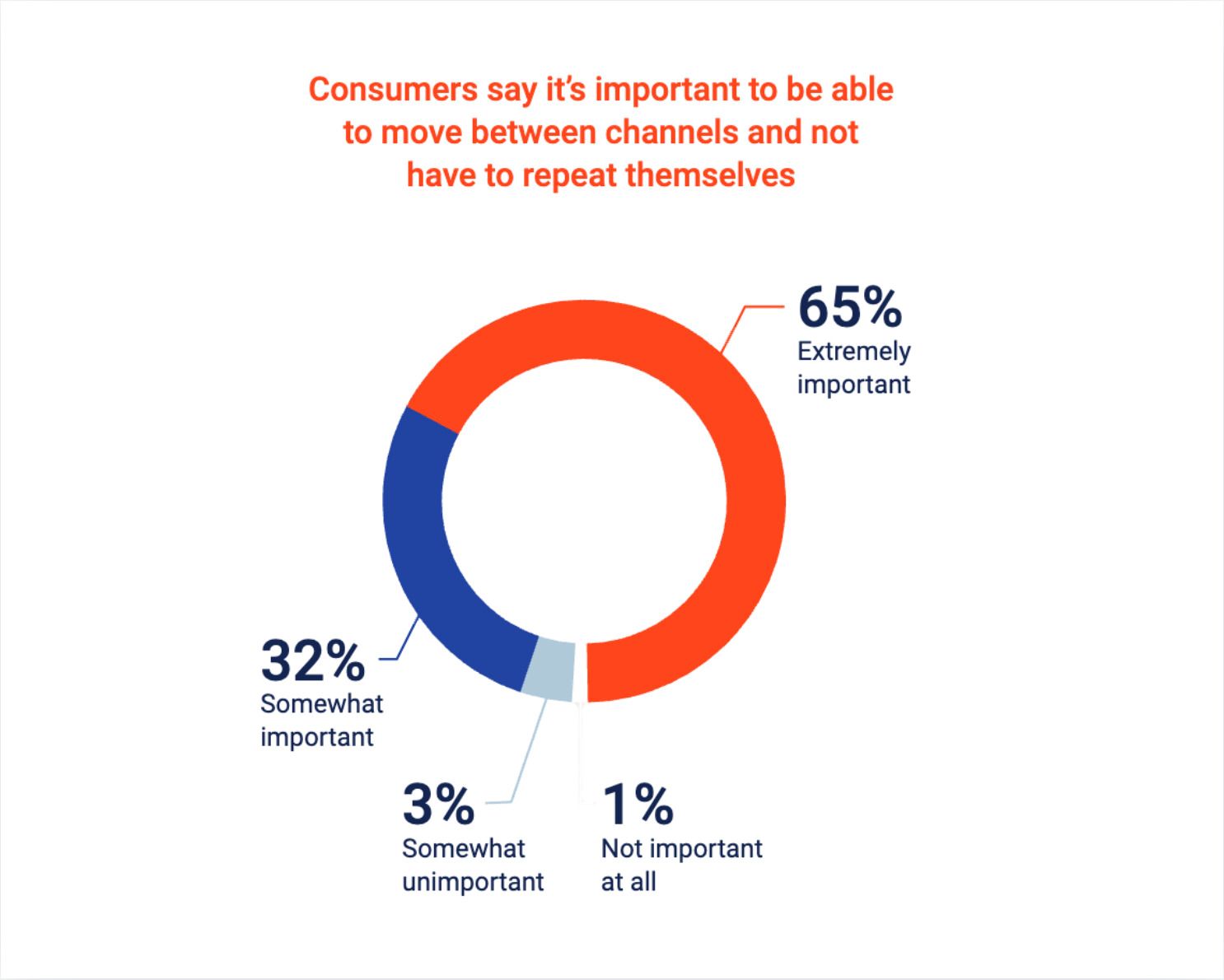
(Source: Genesys)
The issue on the customer service side often lies with customer care not being centralized in one place. Disconnected channels force agents to switch tools and hunt for information, slowing down every interaction and frustrating customers.
That’s why a robust omnichannel CXM software is necessary: It centralizes all customer data in one place. Agents can then pick up any conversation with full context, instantly.
Not only does this make care more efficient because you’re not toggling between tools, but it also significantly improves the customers experience.
Customer experience fuels revenue growth
Happy customers drive profit and service quality is often the deciding factor. Consumers judge a company by the quality of its service. When that service makes people feel valued and understood, they’re more likely to return, spend more and advocate for your brand. This directly fuels long-term revenue growth.
Just look at Genesys’ findings:
- 74% of consumers would do more of their online shopping with a brand that offers consistently personalized customer service.
- 73% would buy more items when the service feels tailored to them.
- 73% would leave a review after a positive service interaction.
When you deliver excellent service, you create happier customers who stay longer and buy more, which fuels revenue growth.
How to be a leading brand in customer experience management (with examples)
Great customer experience builds loyalty, but you need to know what customers expect. Beyond fast service, they demand connected experiences and proactive care that anticipates their needs.
On social, every interaction is a chance to shape your brand reputation. Care teams that deliver connection and proactive care shift their focus from solving problems to building lasting customer relationships.
You can achieve this with:
- Quick responses
- Active social listening
- True omnichannel service
Here’s how to do this, with some of the best customer experience management examples to show it off in action:
Deliver fast, personalized care that builds trust
Speed is the single greatest driver of perceived service quality.
Offering prompt, personalized responses has the power to transform complaining customers into brand advocates.
But if you’re too slow, even the best personalization won’t save you.
As the Sprout Social Index™ shows, quick responses are the expected baseline. If social media users don’t get a reply on social, they’ll switch to a competitor. In fact, nearly three-quarters expect that response to be within 24 hours or less.
To build trust and drive loyalty, you must combine the personal touch with speed. The trick to timely, authentic responses lies in centralizing your customer communications so you can see everything at once, in real time.
Case study: Grammarly with Sprout Social’s Smart Inbox
Take Grammarly, for instance. The company achieves quick response times through Sprout’s Smart Inbox. Their team monitors and responds to queries across all social platforms in real time, consistently delivering speed and tailored support.
As a result, Grammarly has decreased its average time to first response by more than 80% in two years.
Curious about what it’s like to use Sprout Social for customer care management?
Break down silos to create a seamless customer journey
Customers expect every interaction to feel connected. They want to move between channels without repeating themselves and they value it most when a brand already knows their account history.
To achieve this omnichannel CX experience, you need to break down silos between teams and channels with centralized customer experience management tools. With all customer data in one place, agents have a complete view of each customer’s journey—meaning they can solve the problem without forcing the customer to reiterate their story.
Let’s consider how Casio does this.
Case study: Casio with Sprout’s Case Management tools
Casio centralized its care operations using Sprout’s Case Management tools, breaking down silos across social, marketing and care teams. Everyone collaborates in the same software. Every agent has full context to serve customers quickly and authentically or route cases to the most suited colleague.
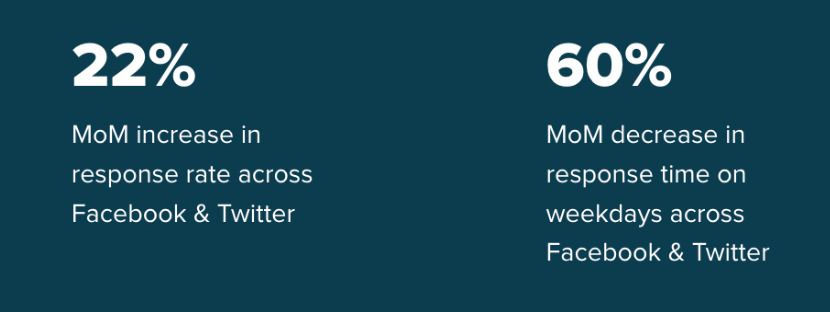
Result: Centralizing care with Sprout Social led to a 22% increase in response rates and 60% faster response times on Facebook and on X.
Use insights to anticipate needs before they become problems
Leading brands don’t wait for a complaint. Instead, they use social listening and analytics to detect trends, spot recurring issues and uncover friction points in real time.
Listening tools detect early signs of dissatisfaction, like a spike in mentions about delayed deliveries or repeated questions about a new product. With these insights, your team will be able to address concerns proactively.
For example, if social listening uncovers repeated comments from customers who are confused about delivery timelines, you could increase the frequency and clarity of your shipping updates. Or if you spot multiple posts showing customers struggling with a new product, consider creating a how-to video that walks them through the key features.
By staying ahead of problems, you’ll reduce escalations, build trust and turn negative moments into opportunities for connection.
Turn customer conversations into business impact
CXM isn’t just about closing tickets; it’s a massive opportunity for business growth.
Every interaction gives you data that reveals process gaps, friction points and opportunities to surprise and delight. Analytics tools pinpoint what’s working and where a small change could have a big impact on loyalty and revenue.
For example, if you see recurring support tickets about a feature, that could signal a chance to improve onboarding or create clearer product guides. Or if customer feedback consistently praises a particular service, you might spotlight it in future marketing campaigns to attract more of the same audience.
Scale empathetic care with AI and automation
Even the most dedicated care teams have their limits. High volumes, repetitive questions and complex routing can drain time and energy that agents could spend on high-value interactions.
Automation and AI take the pressure off. Automated workflows, smart routing and AI-assisted engagement handle routine activities, speeding up care. They help you respond quickly, direct cases to the right agent and craft tailored replies at scale.
Many organizations worry that AI customer care will turn customers away, but human preference for support is evolving. What matters most is that customers see the advantages AI-powered services bring and even prefer them, so long as they resolve the issue.
Keele University built a chatbot to handle incoming queries, reducing the time agents spent answering the same questions. As their Head of Digital and Media explains, “We definitely get the same amount of questions we did in the past, but the bots have cut down on the time we need to take to respond to those queries.”
The takeaway: AI and automation work when applied thoughtfully. They help you deliver faster, more consistent care without sacrificing the empathy and personalization customers expect.
How to use Sprout Social to bring your CXM strategy to life
Sprout Social gives care teams the tools to turn strategy into action, which helps them resolve issues faster, spot trends earlier and connect every interaction to business outcomes.
Here’s how Sprout brings your CXM strategy to life:
1. Track and prioritize CX issues in real time
Smart Inbox centralizes every message, comment and mention so nothing slips through the cracks. Custom tags make it easy to flag urgent concerns, while approval workflows ensure sensitive responses are reviewed before posting.
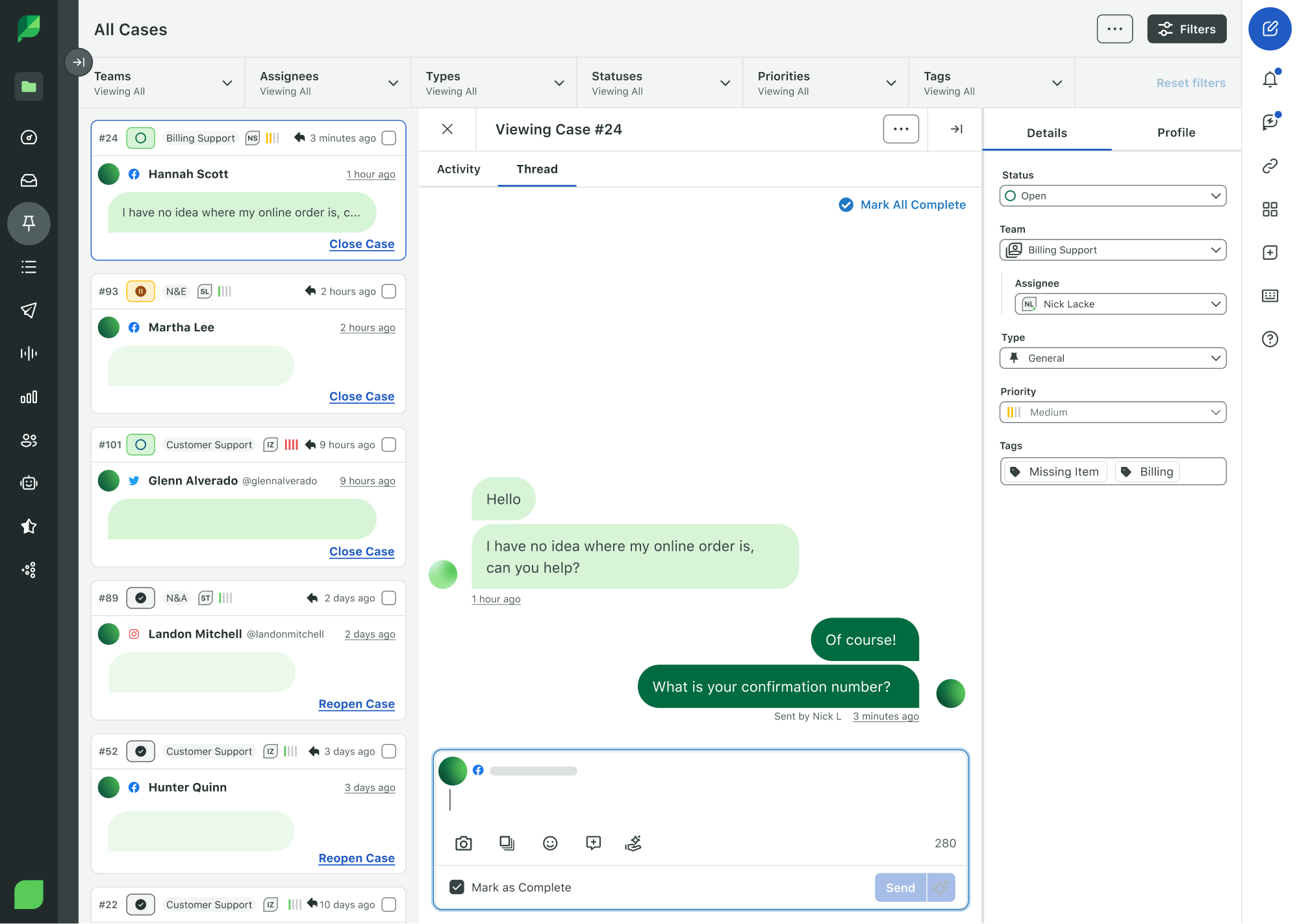
Together, these capabilities ensure teams address the most pressing issues first and consistently reduce response times.
2. Uncover emerging trends with Listening and automation
Listening surfaces conversations even if people haven’t tagged you, helping you analyze shifts in sentiment, trending topics and recurring product feedback across the wider social landscape.
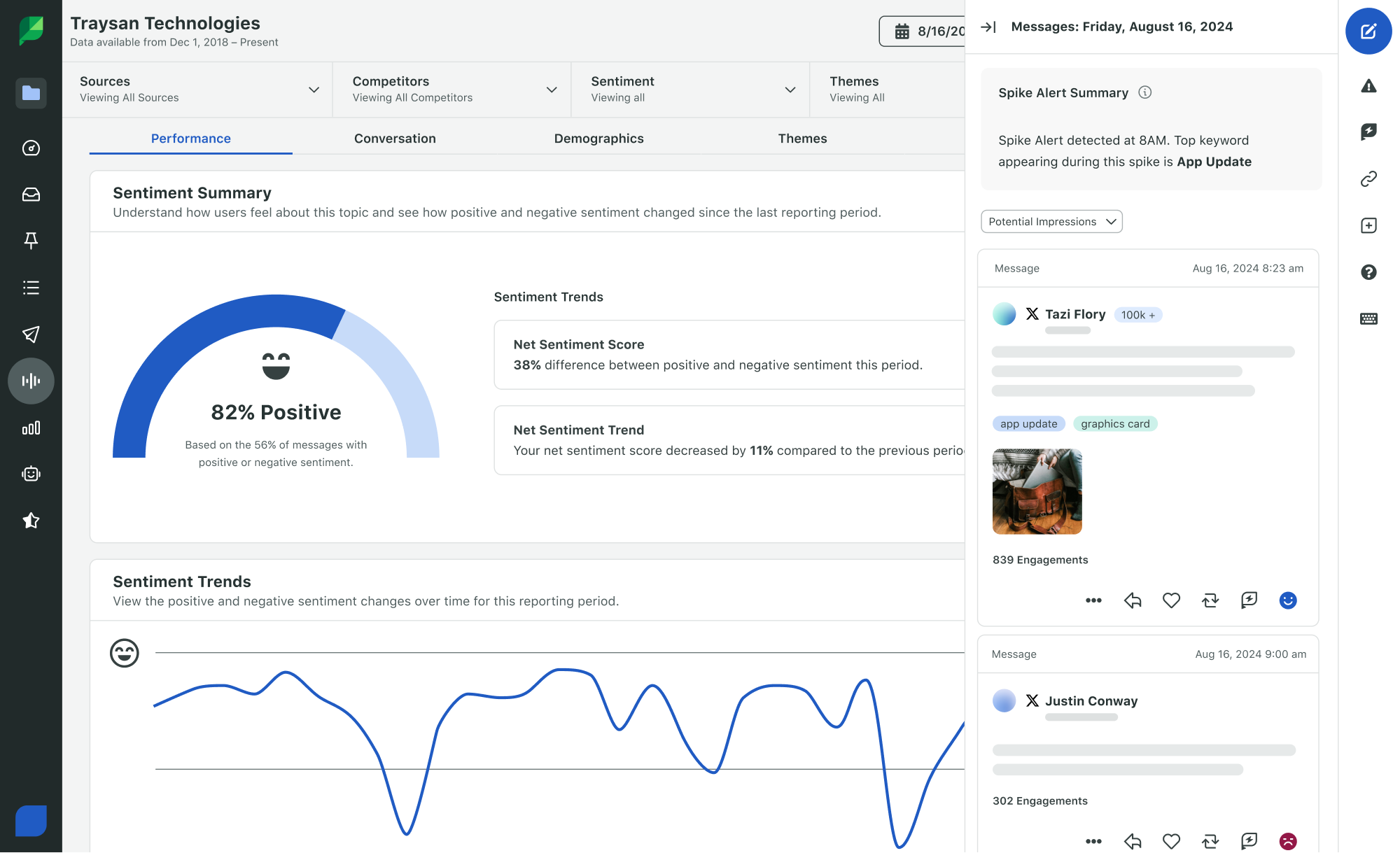
When you pair Listening with automation, you can route trending issues to the right team instantly—preventing small concerns from escalating into brand-damaging problems.
3. Report CX performance with executive-ready analytics
With Premium Analytics (add-on of Sprout’s Reporting suite), care activity becomes a measurable business insight. Track key CXM metrics (NPS, resolution times, sentiment shifts) to produce branded, executive-ready reports that clearly show your team’s impact and areas for improvement.
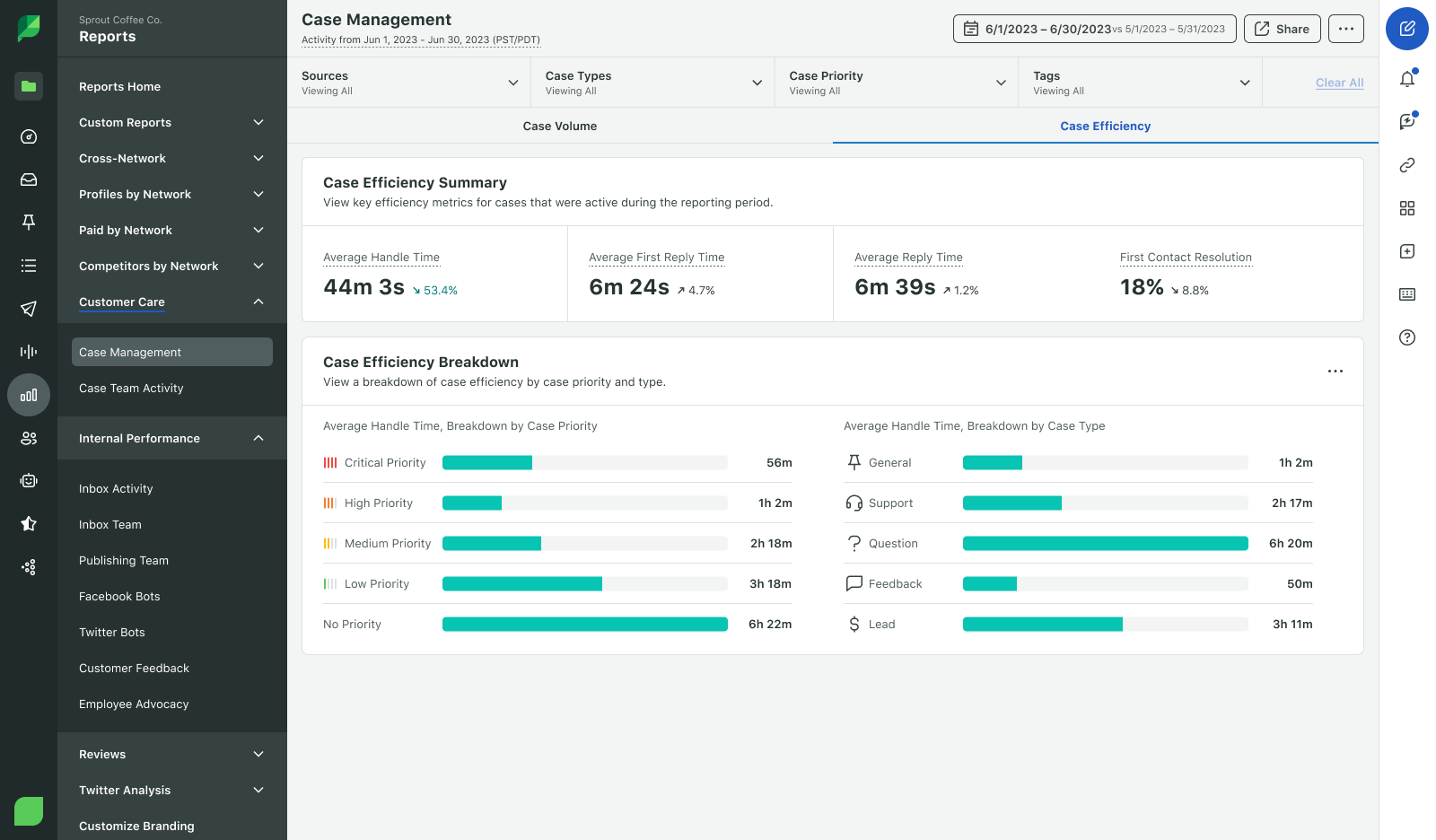
This capability turns CX from a reactive cost center into a data-driven driver of retention and revenue.
4. Collaborate across teams and channels with shared context
Sprout centralizes customer data so care, product and marketing teams can work from the same insights.
With a single view of conversations and account history, it’s easier to keep messaging consistent while preventing duplicate work. That way, every interaction feels connected, no matter the channel.
What to consider when choosing a customer experience management software
Care teams today face growing workloads, disconnected systems and pressure to prove their impact. The right CXM platform is essential to overcome these barriers. CXM tools help you streamline your work, unify data and link every interaction to measurable outcomes.
When evaluating software, look for a platform that offers the following:
- Ease of use: Gets teams up to speed quickly.
- Centralized inbox: Unifies all customer conversations in one place.
- Robust analytics: Measures impact and shapes future strategy.
- AI & automation: Scales empathetic care.
- Seamless integration: Works with existing tech stack to maximize efficiency.
Build a sustainable customer experience management workflow
Your customer care team is the heartbeat of your brand, so you need to deliver CX that resonates.
Great CX isn’t about perfection. It’s about showing up consistently, connecting meaningfully and building trust one interaction at a time. With Sprout Social’s Smart Inbox, Case Management and Reporting suite, you can deliver this at scale, without losing the personal touch.
Ready to see how? Request a demo today to get started.
Customer experience management FAQs
How can businesses measure the success of their customer experience management efforts?
Track metrics like Net Promoter Score (NPS), Customer Satisfaction (CSAT), resolution time and retention rates. Pair these with sentiment analysis and feedback trends to assess performance and identify improvement areas.
How can improving customer experience management increase customer loyalty?
Consistent, personalized and proactive experiences build trust and emotional connection. This shows customers you’re listening to their needs, which makes customers more likely to stay, spend more and recommend your brand over competitors.
37 free social media strategy templates that will elevate your workflows
Published on December 5, 2025 Reading time 15 minutes





Share