What marketers get wrong about Gen Alpha

Written by Aubree Schaefer
Published on June 15, 2026
Reading time 7 minutes
Table of Contents
The oldest members of Gen Alpha turn 16 this year. Let that sink in.
As Alphas come of age, they are being subjected to the same media frenzy that surrounded Gen Z and millennials before them. From headlines claiming Gen Alpha “wants to be your boss” to listicles explaining popular slang terms, Alpha-mania (and paranoia) is already in full force.
Born between 2010–2024, Gen Alpha grew up with more daily technology use than any other generation. They were even stereotyped as “iPad babies.” For the most digitally native generation ever, brands naturally assume the best way to win Gen Alpha’s affinity is by connecting online.
But Michelle Bryanton, President and Chief Strategist of Super Duper, doesn’t agree. We sat down with Bryanton to talk about what brands are getting wrong.
As Bryanton put it, “As cohorts age and step into the spotlight, they are wildly misunderstood every single time. With the evolution from millennials to Gen Z to Gen Alpha, marketers have assumed every generation is the same as the one previous. Gen Alpha actually doesn’t want to be chronically online. Marketers need to look deeply at what they actually want, not just recycle the same strategy.”
How does Gen Alpha (really) use social media?
According to their parents, almost half of Gen Alpha (which still includes toddlers) watch YouTube, while 21% use TikTok and 14% use Snapchat. Even with age-based social media bans in place, Alphas use clever hacks like makeup to bypass age verification technology.
While some marketers point to these behaviors as indicators that social teams should invest more into social discoverability, video content and social commerce, Bryanton doesn’t believe this well-meaning advice captures the full picture.
“As soon as they turned three or four, Gen Alpha was put in front of an iPad and put on track to consume content forever. Once they are a little bit older and have tastes and interests, they find their favorite content creators on channels like YouTube and TikTok. But I think it’s unfair to call them the iPad kid generation because they didn’t choose that. Marketers are treating them like the ‘next Gen Z,’ using the same aesthetic choices and online strategies, but this is a demographic tired of staring at their phone. They’re looking for analog hobbies and real life experiences. They don’t want more content, they want reasons to get off their phone.”
Bryanton argues that for Gen Alpha the online world isn’t a sanctuary. Instead, it’s the offline world that offers rewarding, novel experiences. That’s where brands must bridge the gap between digital and IRL, in elusive third spaces.
“Alphas are probably consuming content just as much as other generations are. But the difference is Gen Alpha literally has nowhere else to go, and doesn’t know any different. Consider our traditional third spaces like malls, coffee shops or libraries. These days, malls aren’t the same as they used to be, a cup of coffee is too expensive for a teen and most kids weren’t exposed to libraries outside of school. When you think of spaces Alphas belong in, it’s home, school and online. ‘Online’ is the only place this generation can just hang out,” explains Bryanton.
Brands can create third spaces—which are social environments distinct from home and the workplace (or school in this case)—that serve as community hubs.
How marketers can reach Gen Alpha effectively
Bryanton believes that brands have an important role to play in coaxing Gen Alpha out of their digital ecosystems, and the ones that do so successfully will earn long-term affinity. But doing so requires reevaluating which metrics really matter and investing in tactile experiences.
Prioritize real-world immersion in third spaces
Many brands build their event strategy around content creation, with photo ops, branded hashtags and elaborate aesthetics. The focus is on how the event looks rather than how it feels, and Gen Alpha can tell the difference.
“A brand shouldn’t fall into the trap of thinking a flashy event with a photo-op moment is enough to win over Alphas. This generation wants to use their hands, to see their friends, to do something actually fun. They are conditioned to think about self-perception all the time, constantly worrying about if their followers think they’re interesting enough. They don’t want to post about your brand. They want to have a good time,” said Bryanton.
Give Gen Alpha something fun to do and you’re already coming out ahead. As Bryanton explained, you don’t have to reinvent the wheel: remember that many Alphas didn’t grow up with analog hobbies. Host an event where they can learn to cross-stitch or knit. Partner with local libraries on a reading challenge. Sponsor tournaments at neighborhood game stores. The opportunities are endless. What matters most is that you create something cool enough that your Gen Alpha audience tells their friends about it.

Listen more deeply
Gen Alpha wants to be listened to, not talked at. While this advice holds true for every generation, it’s especially true in this case. Alphas have spent their entire lives consuming content, and Bryanton argues that this one-directional flow of information has made them more cynical of brands. No one wants to have a one-way conversation—that doesn’t make us feel valued or cared for.
“There’s a disconnect. Brands trying to reach Gen Alpha are constantly trying to drive FOMO on social rather than supplement a lived experience. An Alpha is being targeted with so much content all day long, but their needs aren’t actually being listened to. Right now, they want something that isn’t digital-focused. As marketers continue trying to reach Gen Alpha, the key is to make something they care about using the feedback they share,” advises Bryanton.
Marketing to Gen Alpha empathetically means prioritizing substance over style and showing them that you really “get them.” Satiate their appetite for in-person activations, and use their feedback to fuel product innovation and refine your offerings.
Focus on sentiment over volume
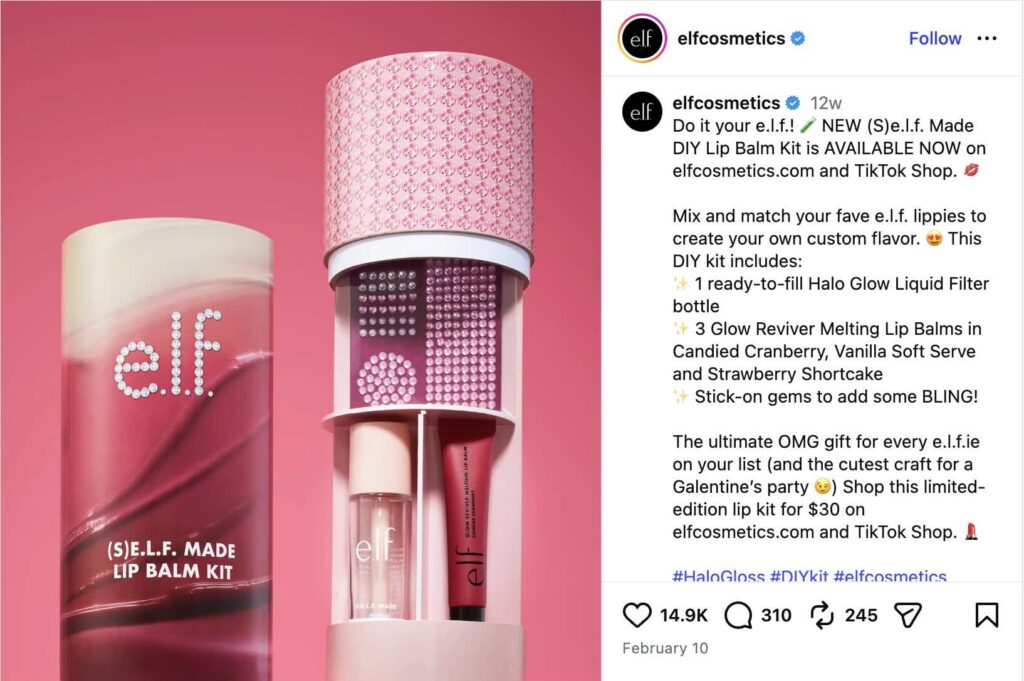
While it can be tempting to measure the success of marketing efforts with volume-based metrics, those numbers can’t tell you the lasting impact you’ve made on Gen Alpha, Bryanton adds.
“We need to shift toward a qualitative approach. Ask questions like: ‘how did our brand perception change after an event?’ instead of ‘how many posts did we get?’ An Alpha talking to their friends about your brand is more valuable than a staged post. Real-life joy creates long-lasting brand affinity.”
Rather than focusing on massive volume engagement numbers or follower increases, pay attention to sentiment shifts and increases in share of voice. “If you host an event that is actually fun to participate in, that’s more important than driving engagements,” Bryanton said.
Brands reaching Gen Alpha the right way
Bryanton also shared a few examples of how brands are getting it right with Gen Alpha marketing.
Lego
Take Lego, for example: the building toy and brick set company is a favorite across generations. They have perfected the art of activations that scratch the analog itch, requiring the perfect amount of critical thinking and socializing.
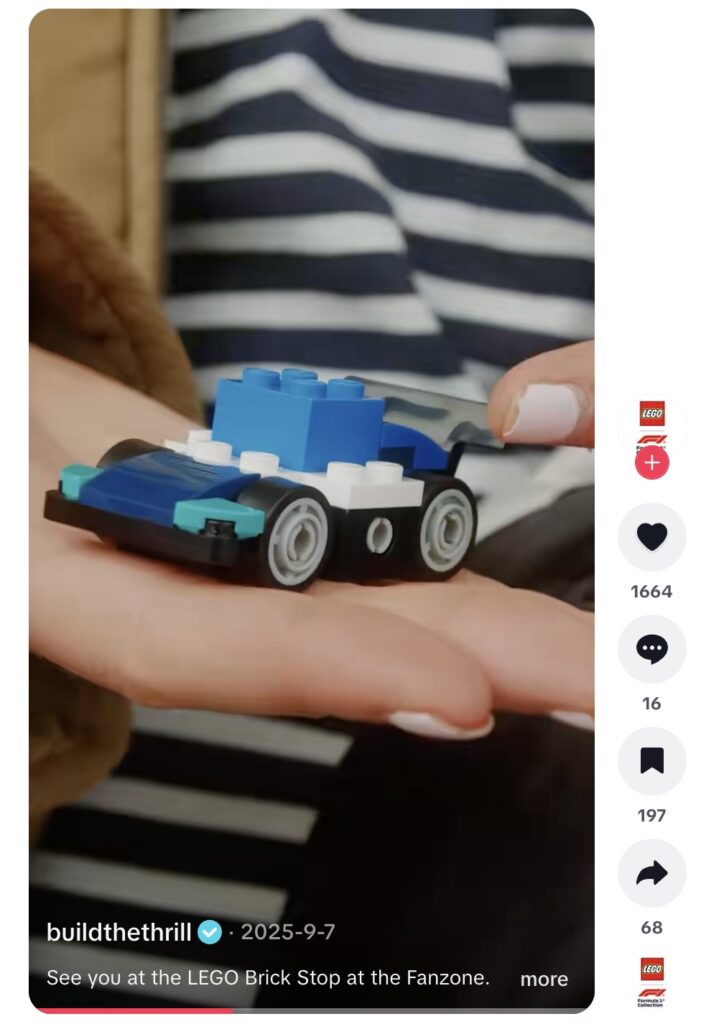
Bryanton sums it up: “I don’t hear about Lego on social as much as I hear about their experiential activations. They did a partnership with F1 where attendees could create model cars. This tactile way to interact with the brand is so different from showing up and taking a picture beside a giant Lego car. The joy of creation and participation should be the final goal as opposed to just looking at impressions on social media. If the actual event is fun to participate in, that’s what the goal should be.”
Give your brand a Gen Alpha aura: Take a cue from Lego, and lean into events where attendees can create or build something. Give Alphas a space to have fun, meet new friends and accomplish something.
Crocs
Another standout for Gen Alpha marketing is Crocs. The iconic footwear company is beloved by Gen Alpha because of functionality and everyday comfort, but their greatest selling point is the customizable nature of the shoes. The brand turned the customer insight that people like to “style their Crocs” into an entire product strategy.

Crocs offers limitless opportunities for self-expression. Bold colorways. Trending partnerships. Endless Jibbitz charms. The foundation for Crocs’ global event strategy is their countless personalization options. This is the perfect intersection for Gen Alpha, a generation that values opportunities for hands-on creativity and unique ways to express their personal identity.
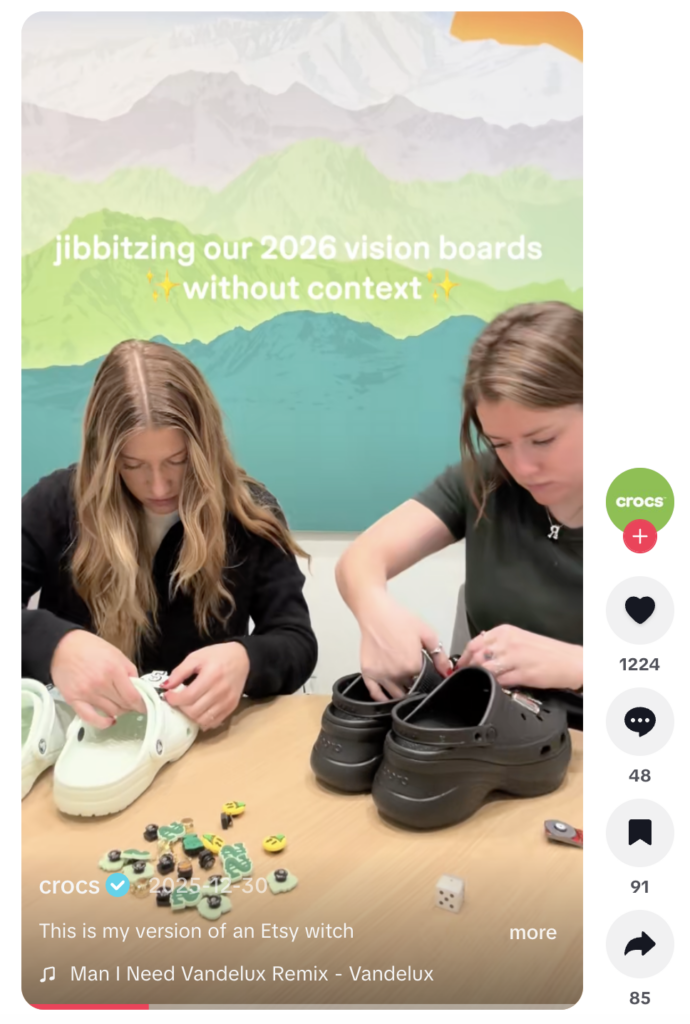
Give your brand a Gen Alpha aura: How do young people use your product in ways you didn’t expect? When Crocs first came on the scene as a comfort footwear brand in the 2000s, they never could have guessed their shoes would become fashion statements. Using Crocs as inspiration, discover unique audience insights that help your customers feel connected to your brand.
Gen Alpha wants to be listened to. Show them you’re listening by applying audience insights to your R&D and event strategies.
The kids are tired of brain rot
As the oldest members of Gen Alpha enter their mid-teens, marketers must move past the assumption that this generation simply wants more digital content to ingest.
Having been raised in front of screens, Gen Alpha is experiencing digital fatigue and actively craving tangible, analog experiences that get them off their phones. To build genuine, long-term brand love, companies need to stop prioritizing superficial online metrics and start investing in immersive, real-world community spaces.
Bryanton concludes, “Alphas get so little opportunity to participate with brands who create memorable moments. When they do, they really appreciate them. It doesn’t need to be a giant web of influencer and digital content. They just want a place to go and hang out.”
Ultimately, successful Gen Alpha marketing requires a shift from flashy, photo-op-driven campaigns toward tactile, participatory activations that value real-life joy and connection over social media volume.
For deeper consumer insights across generations and social media networks, download The 2026 Content Strategy Report.
Gen Alpha marketing FAQs
What are the best Gen Alpha marketing strategies?
The best strategies prioritize real-world immersion and tactile experiences over digital-first campaigns. Brands should host interactive events where Alphas can use their hands, build things and socialize without the pressure of content creation. Focusing on qualitative brand sentiment and creating genuine, real-life joy beats chasing volume metrics.
How do I effectively market to Gen Alpha?
To market effectively, stop recycling Gen Z strategies and treat Alphas with empathy. Listen to their feedback rather than just pushing content at them. Create offline activations that offer substance over style, focusing on how an event feels for participants rather than how it looks in a photo-op.
What are current consumer behavior trends for Gen Alpha?
Gen Alpha is experiencing screen fatigue and actively seeking to escape the “chronically online” lifestyle. They are craving analog hobbies, real-life experiences and physical “third spaces” to hang out with friends. They value functionality, opportunities for hands-on creativity and unique ways to express their personal identity.
What are the best marketing channels for Gen Alpha?
While YouTube, TikTok and Snapchat are heavily used for entertainment, the most impactful channels are physical, offline spaces. Brands should utilize interactive real-world activations, local community partnerships and hands-on events. Bridging the digital-to-IRL gap creates the memorable, tangible spaces that this generation is currently lacking.
39 free social media strategy templates that will elevate your workflows
Published on August 20, 2026 Reading time 15 minutes









Share