Original content on social: Harder to find, but more important for brands to nail

Written by Aubree Schaefer
Published on March 5, 2026
Reading time 6 minutes
Table of Contents
We’re back with the latest edition of our series, @Me Next Time, where we parse through the latest trends and industry discourse. This time, we’re tackling the original content vs. trending content debate, and what consumers actually want from brands on social media.
Only 56% of social users say brands do a good job of producing truly original content, per The 2026 Social Media Content Strategy Report.
Consumers are also lukewarm toward brands who jump on trends. According to The 2025 Sprout Social Index,™ about one-third of users finding trendjacking “embarrassing” and another 27% only finding it effective if it happens within 48 hours of a trend emerging (a window too small for many teams’ approval workflows).
For marketers without the infrastructure or strategy to jump on trends, original content offers an opportunity to break through crowded feeds and build long-term audience engagement.
What (really) is original content?
At its core, original social content is an umbrella term for social posts that aren’t reliant on real-time trends, viral memes or visual aesthetics. While it might become a cultural touchpoint, original content can exist without the context of online culture. Audiences don’t need prior knowledge of internet lore to get it.
But original content is more than just the opposite of what’s trending. The best original content is highly entertaining, educational or both. It connects people to your brand through human-driven storytelling (or bat-driven, in the case of Bat Conservation International) that AI content tools can’t replicate. Put simply, it makes you feel something.
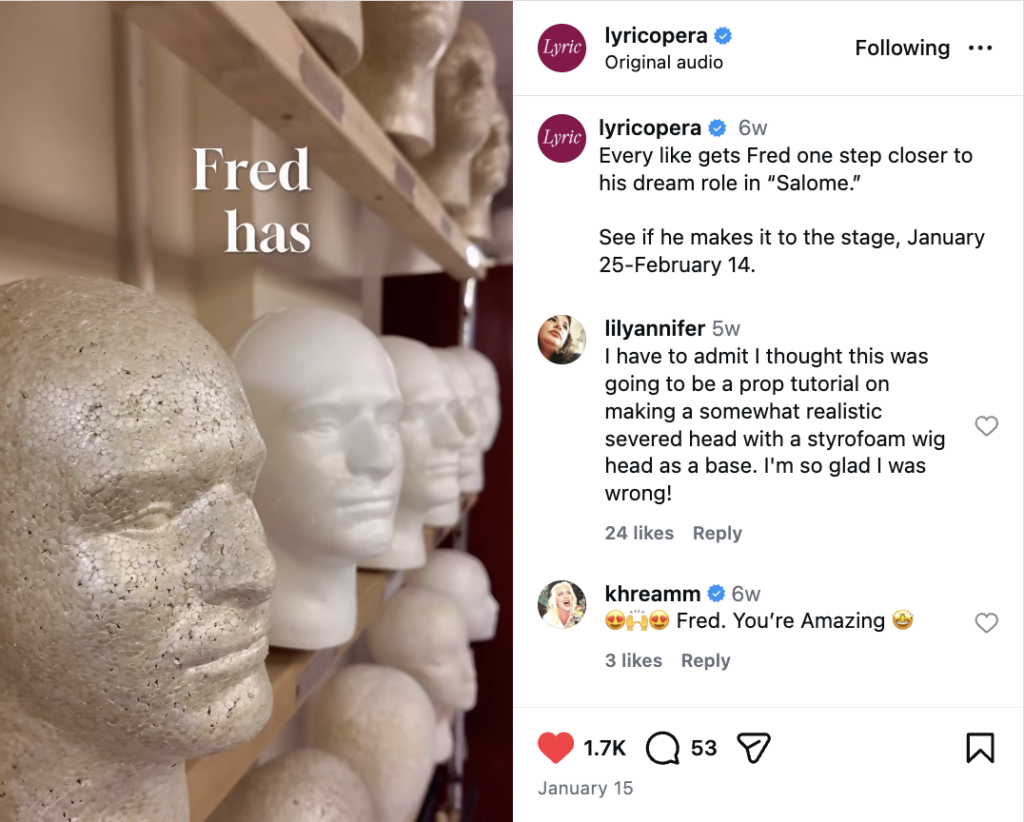
It’s also often episodic, weaving together a brand universe with a cohesive narrative and familiar faces. Like the Lyric Opera’s “Fred” or Croc’s microdrama “Charmed to meet you.” It could even be inspired by reality TV competition shows, like Cava’s dating show “Bowlmates.” Or be heartwarming and earnest, like immi Ramen’s “Ramen on the Street” interview series.
Why original content on social matters more now
Brands are struggling to reach audiences and maintain engagement. Even industry darlings like Duolingo have seen engagement drop-offs north of 60%. Algorithms don’t serve up content like they used to and a large follower count doesn’t guarantee that people will see your content.
Social teams aren’t creating content for the entire internet anymore. They need to reach niche communities within their audience segment, and doing so requires scroll-stopping originality.
Originality rises above AI slop
Are all AI content creation tools bad? No. For example, AI tools can speed up manual hours of video and photo editing that significantly enhances the quality of content. Yet, they don’t have the human taste required to build something original—or compelling—from scratch.
Feeds have become inundated with AI-generated thought leadership (“It’s not X, it’s Y”), images and comments section. Are the bots just talking to each other? Frankly, when AI creates everything we consume on social, it’s boring and pushes audiences to tune out.
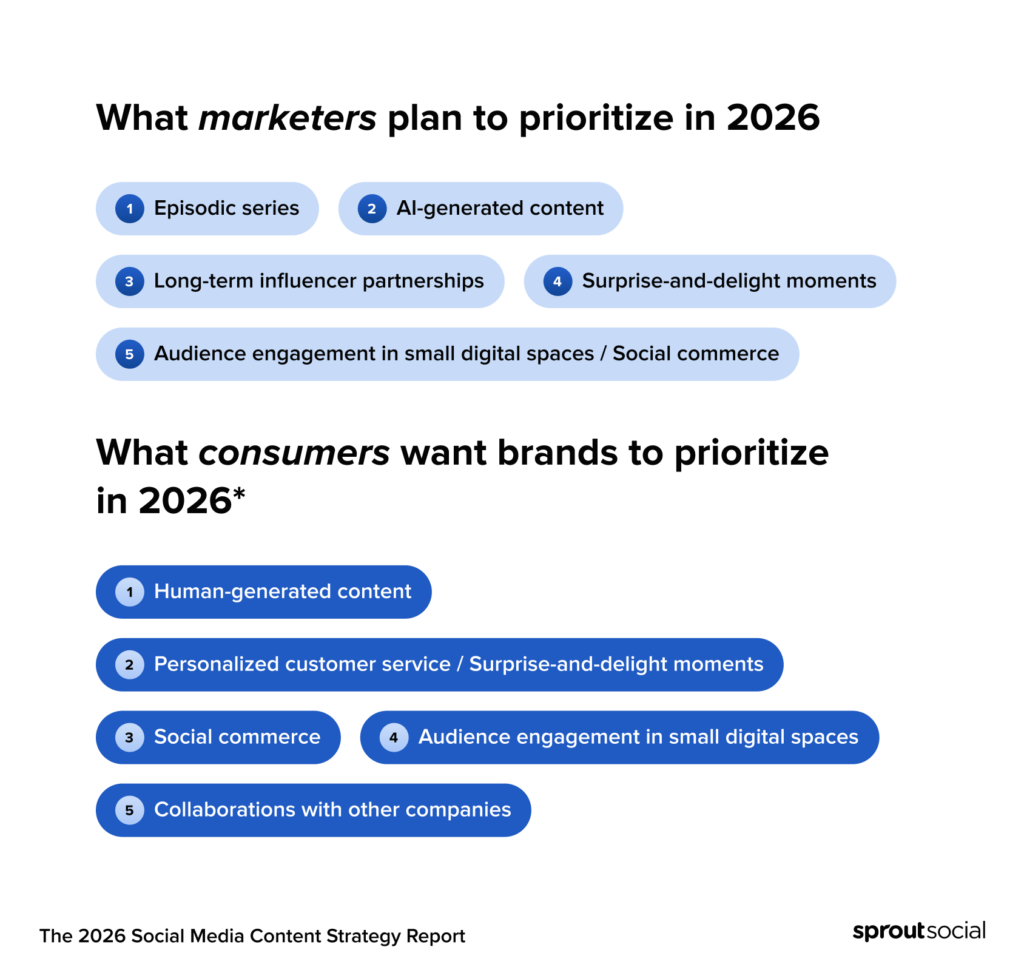
The 2026 Content Strategy Report found that the #1 thing audiences want brands to prioritize this year is human-generated content. This is a direct contradiction to what marketers are prioritizing. The same report found that marketers place AI-generated content near the top of their priority list, and say they’re most likely to use AI tools to write and create images.
There’s opportunity for more brands to double-down on human-led original content to actually capture fleeting attention, and refocus their AI investment elsewhere. For example, marketers say real-time audience insights would be the most impactful resource for their strategy. That’s where the real potential of AI lies—in analysis to garner timely insights.
Original content plays to audience and algorithm preferences
Resonant original content is striking. It holds your attention, inspires you, delights you, changes how you think. When you find it in your feed, you’re more likely to hit the share button, blasting the post across your DMs.
Shares are an important signal for marketers to determine how something was received. The 2026 version of word-of-mouth, shares are an endorsement that what you’ve created is worth talking about. Shares also serve the dual purpose of reshaping how users encounter content on social, especially on legacy networks.
As Lia Haberman articulated in this Instagram playbook, “DMs—not the Feed, not Stories, not Broadcast Channels—are the primary way people share on Instagram. We may never get back to a chronological feed but users have hacked the system to connect with their favorite people through DMs. A Meta rep even told me that DM activity was up 15% year over year in 2025, reinforcing that private sharing now drives creator and content discovery on the platform.”
Original content helps you tap into this discoverability engine by touching people’s hearts and minds, the attention economy’s true currency.
It boosts your brand (in a safe way)
The biggest moments on social also come with the biggest risks of copyright infringement. Brands that post about a pop icon marrying an NFL star, a games athlete winning gold or the best big game ad are forced to use vague euphemisms or subtle references (see what we did there?)—unless they’re willing to face litigation. It’s hard to know what’s in the public domain, especially when you have to act fast to jump on a trend.
Even trends and memes that aren’t protected by copyright can still pose gray ethical questions when it comes to creators’ intellectual property. Even if you publish something quickly and manage to avoid setting off any legal red flags, the virality of timely trends is short-lived.
Original content bypasses many of these risks. The people and ideas featured are already affiliated with your brand, and help you steward an existing brand image and story. A timely post is a drop in the bucket of internet culture, whereas original content is a thread in your brand’s tapestry.
How to break away from trends’ chokehold and build an original content muscle
Whether your social strategy is currently defined by trending moments, or you publish original content that hasn’t found an audience yet, use these actionable steps to reimagine how you work.
Find the stories only your brand can tell
The challenge with trending content is that—if you cover up the logo—you can’t tell which brand created it. A level of existing awareness is required for users to register your brand at all. By leveraging stories only your C-suite, co-workers and customers can tell, every post builds your brand ecosystem.
Bri Reynolds, Social Media Lead at Cracker Barrel, wrote about this phenomenon in a recent LinkedIn post: “We’re lucky that we have a story that’s distinctly our own, and it deserves to be told in a way that feels just as unique. As more of the world turns back toward analog, there’s no better backdrop than Cracker Barrel. So we made the decision to take a beat. Instead of chasing trends or forcing formats, we’re focusing on the thousands of stories that we’ve yet to tell.”
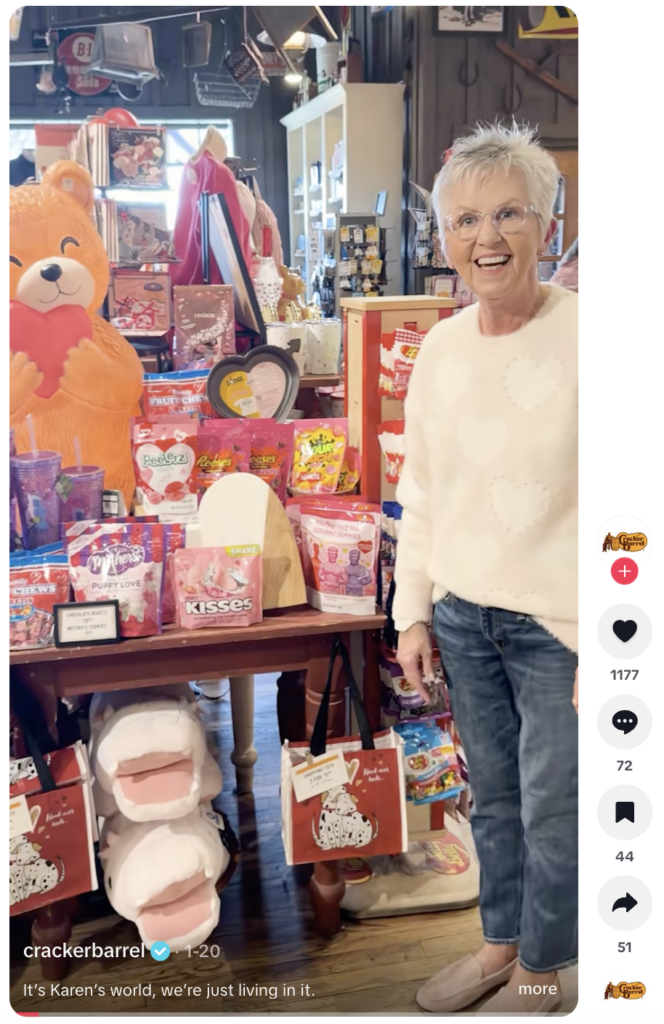
This approach holds true across industries, like when Northwestern Medicine spotlights their patients and physicians, or when the Slate team explains how their platform actually works.
Carve out time and space for finding and sharing inspiration
Truly original content can’t be created by replicating your competitors’ social strategy—or copying anything another brand does on social for that matter. Marketers should look beyond their algorithms for inspiration. Rachel Karten, author behind the Link in Bio newsletter, recently asked her audience where they turn to get creative juices flowing. Their answers ranged from grocery stores to stand-up comedy clubs to listening to jazz.
At Sprout, our team has gone to museums, taken architecture tours and participated in sound baths together. These excursions planted fresh ideas and opened up new ways of thinking about our work.
Social teams from all industries need time and space to consume different kinds of content, and talk about it with their peers in a way that pertains to their work. Kick-off meetings by sharing your current media diet. Host brainstorms inspired by your favorite movie. Start a team book club. Whatever it is, give your team a chance to get creative.
Constantly review audience insights
Feeds are siloed. Everyone’s algorithm is custom-built brick-by-brick based on the posts and videos they linger on. You can’t rely on general social media audience preferences or scrolling your feeds to understand what your audience wants to see.
That’s why you should regularly consult social intelligence insights to inform what you’re creating. What is your audience searching for on social? What are they talking about? What are they engaging with? What conversations do they associate with your brand?
Beyond social, reread case studies, listen to sales calls and speak with customers at events to take a completely customer-centric approach to your content.
Make content original again
Trends tempt brands with the promise of quick relevance, but deliver fleeting attention. In an era of shrinking reach and engagement, rising AI noise and DM-centered sharing, you should prioritize human-led storytelling over volume and reactivity.
Original content is the thread that ties your brand’s past, present and future together. Don’t ignore online culture. Instead, contribute to it in a way that only your brand can.
For more on what audiences want from brands across networks, download The 2026 Social Media Content Strategy Report.
39 free social media strategy templates that will elevate your workflows
Published on August 20, 2026 Reading time 15 minutes






Share