Strategic brand collaborations: Finding successful partnerships

Written by Jasmine Williams
Published on December 18, 2025
Reading time 10 minutes
Table of Contents
There isn’t much that gets consumers more excited than seeing a collaboration between their two favorite brands. Marketers are learning more about their target audiences, and some of the most valuable information is what other brands they have their eyes on. Brand collaborations, especially co-marketing, are a win-win for your brand reputation when done right.
But for social teams, the idea of partnering up can bring a mix of excitement and anxiety. What if the partner’s values don’t quite fit? What if the bigger brand overshadows the smaller one, or the campaign fails to deliver strong results? And of course, there’s always the fear of investing time and resources into a collaboration that doesn’t land.
In this article, we’ll explore how brand collaborations work and strategies to find the best partnership for your business. And we’ll explore some of the best brand collaborations we’ve seen this year to help inspire your next campaign.
Benefits of brand collaborations
Before we dive into the examples, let’s get clear on why collaborations work so well in the first place. Here are the benefits that make them worth the effort.
1. Reach new audiences
Think of a brand collaboration like getting a guest pass into someone else’s house party. You’re suddenly meeting people you never would’ve crossed paths with on your own. When two brands combine forces, each one taps into the other’s built-in community. That means your content, products and story get instant visibility with people who already trust the partner brand.
If your business wants to reach a new target demographic, such as younger consumers like Millennials or Gen Z, a strategic partnership fast-tracks that process. Instead of building an audience from scratch, you’re borrowing from a brand that already has their attention.
This same principle of audience borrowing is why many brands simultaneously invest in influencer partnerships, leveraging the established trust of individual creators to humanize the collaboration and reach specific niche communities that a traditional brand-to-brand pairing might miss.
The data backs this up. A 2025 study examining co-branding in Japanese and Korean fast-moving consumer goods found that co-branded products consistently earned higher loyalty scores than regular products.
2. Generate buzz and improve revenue
Some collaborations feel less like marketing and more like an event. The kind of drop that makes people stop scrolling and say, “Wait, they teamed up?”
When two brands merge perspectives, you get creative ideas neither would generate on its own. That fresh energy fuels limited releases, exclusive experiences and product drops that spark FOMO and media attention.
Urban Outfitters is a recent standout. By partnering with brands like Dunkin’, Nike and Chipotle, the retailer reported a 12.5% increase in comparable net sales in Q3 fiscal 2026, along with rising brand affinity and increased cultural relevance with Gen Z.
The industry sees the value too. Foundry’s 2024 State of Partner Marketing Study found 68% of marketers view partnerships as a high-value tactic, with organizations investing 37% of their total marketing budgets into them.
3. Share resources and boost creative output
Partnering lets teams pool budgets, tools and talent, making big ideas more affordable and achievable. Instead of footing the bill alone, partners can split production costs for video shoots, design assets or even full-scale events.
Collabs also unlock creative strengths you may not have in-house. If your team shines at static visuals but struggles with video, partner with a brand that produces scroll-stopping Reels. If you’re great at storytelling but not design, pair up with a brand known for its strong visual identity. That mix of strengths creates campaign assets neither brand could produce solo.
4. Establish credibility and trust with your audience
When a trusted brand stands next to yours, it’s like a built-in seal of approval. A collaboration signals to consumers that another reputable name believes in you. It’s a powerful third-party endorsement that’s hard to manufacture on your own.
Sprout’s data backs this up. In our Q2 2025 Pulse Survey, 64% of all social users say that when a brand partners with an influencer they like, they’re willing to buy more from that brand. While this data highlights influencer partnerships, the dynamic holds for brand-to-brand collaborations as well. When people see two credible brands align, it reinforces confidence in both.
Best brand collaborations we’ve seen this year
It might sound cliché, but teamwork really does make the dream work. Here’s a brief overview of some of our favorite brand collaborations over the past year.
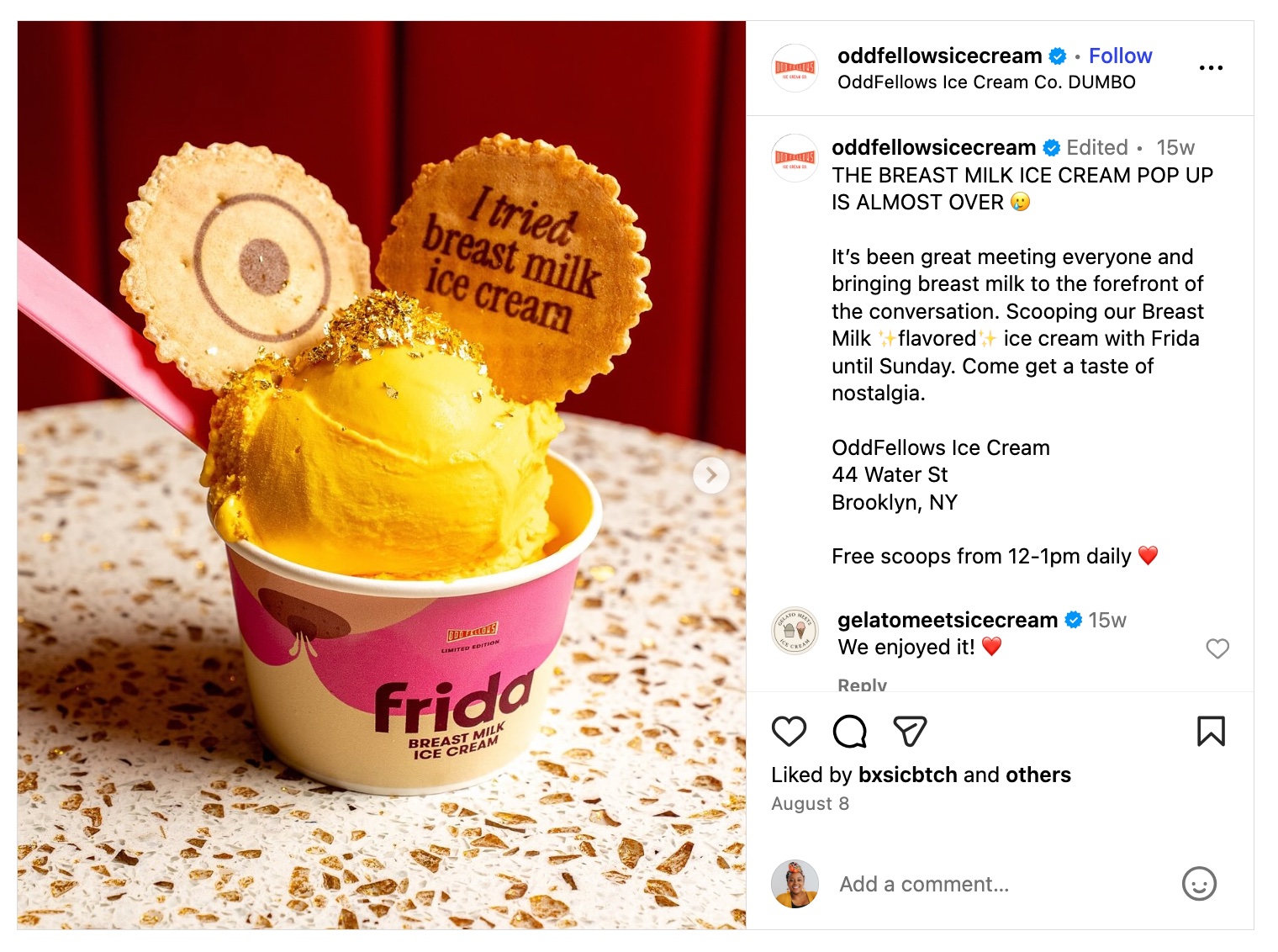
Frida x OddFellows
NewsWhip by Sprout Social surfaced a new, buzzworthy brand partnership generating media attention. Parenting brand Frida teamed up with OddFellows Ice Cream to launch a limited-edition breast milk-inspired flavor to promote its new manual breast pump.
Why it worked: The collab turned a taboo topic into a viral moment, earning 7.8B+ impressions, driving a 55% lift in breast pump sales and selling out pint drops in minutes. Frida’s honest parenting voice paired with OddFellows’ creativity made the concept feel bold, timely, and shareable.
What brands can learn: Lean into cultural tension and pick partners who amplify your point of view.
Arsenal x A-COLD-WALL*
Arsenal teamed up with London streetwear label A-COLD-WALL* to release a limited-edition, 22-piece lifestyle collection that blended the club’s industrial roots with ACW*’s avant-garde aesthetic. We also spotted a rise in conversation about this collaboration on NewsWhip.
Why it worked: It received an overwhelmingly positive reception from players, fashion and sports media, and was described as an “authentic” and “natural” collaboration. The campaign’s high-fashion creative, fan-forward storytelling and limited-edition drop ignited conversation and positioned Arsenal as a lifestyle brand beyond the pitch.
What brands can learn: Build collaborations on shared values and use exclusivity to reach new audiences.

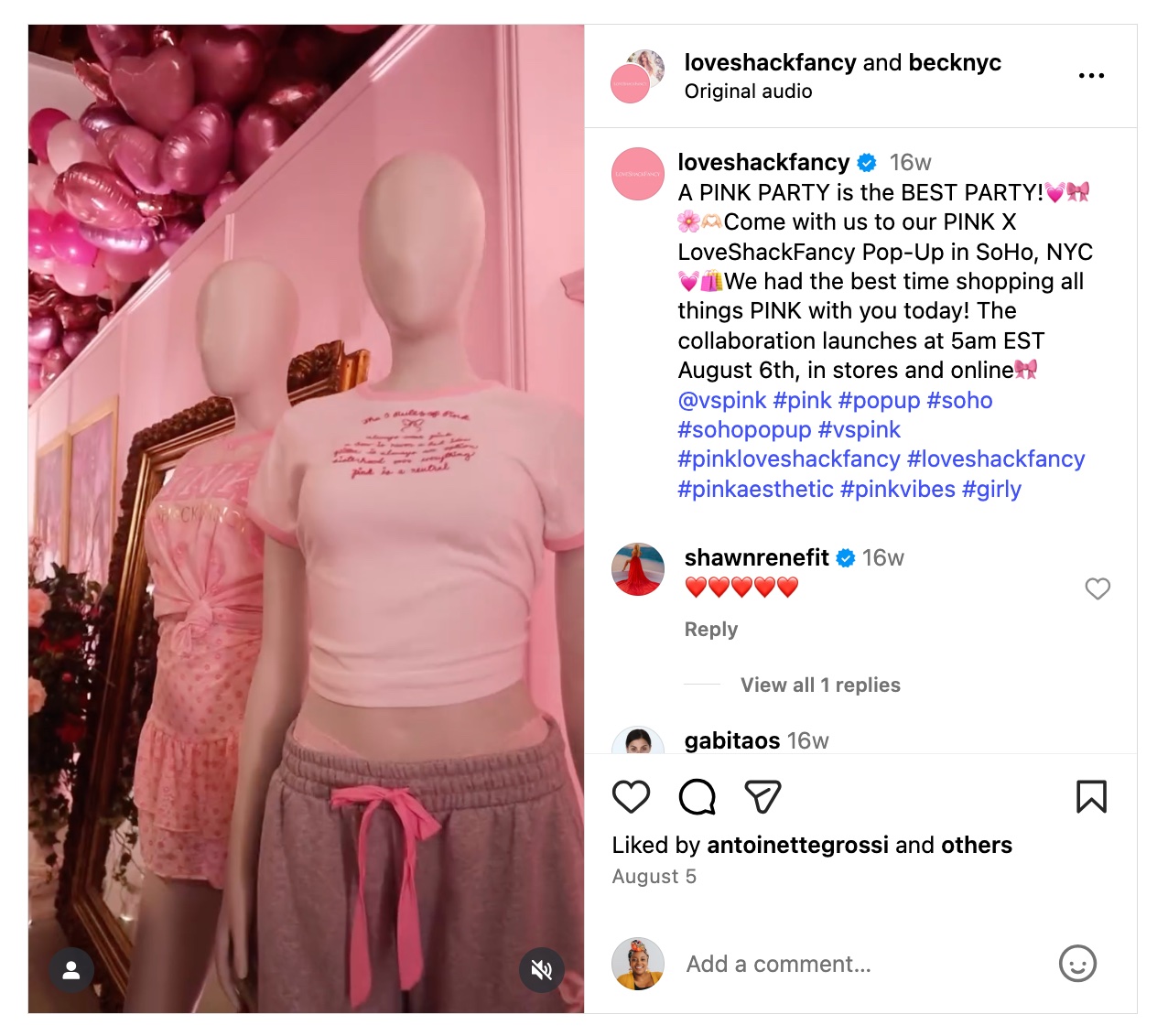
VS Pink x LoveShackFancy
Another NewsWhip find, VS Pink teamed up with LoveShackFancy on two limited-edition drops that fused Pink’s casual Y2K comfort with LoveShackFancy’s soft, floral aesthetic. The launch was an instant hit. Over a third of items hit low-inventory or sold-out status on day one, and a Manhattan “Dream Closet” pop-up drew fans lining up at 5 a.m. to snag pieces.
Why it worked: The collab hit the sweet spot between nostalgia and trend, offering accessible luxury that felt true to both brands.
What brands can learn: Lean into complementary aesthetics and use immersive launch moments to create emotional connection and high demand.
BERO x Happy Coffee
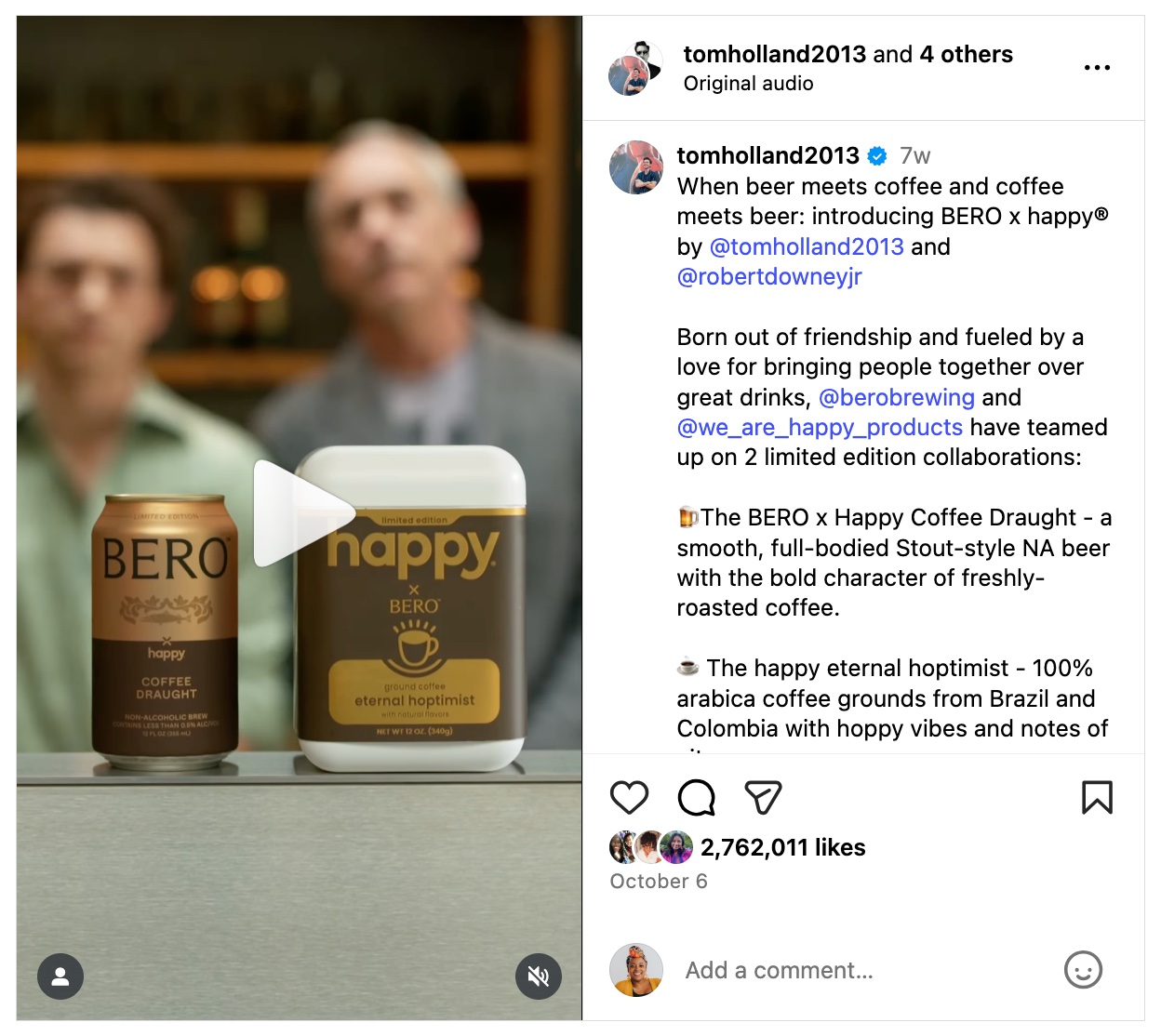
NewsWhip by Sprout Social showcased Tom Holland’s non-alcoholic beer brand BERO teaming up with Robert Downey Jr.’s Happy Coffee on a limited capsule featuring a coffee-infused non-alcoholic beer and a hop-inspired coffee blend. A reunion teaser of the actors set social feeds buzzing.
Why it worked: The partnership is rooted in real friendship and shared wellness narratives. A clever “AM to PM” concept also blends the two product categories in a fresh way.
What brands can learn: Choose partners you have a genuine connection with, and use mission-driven storytelling to build consumer trust that lasts beyond launch day.
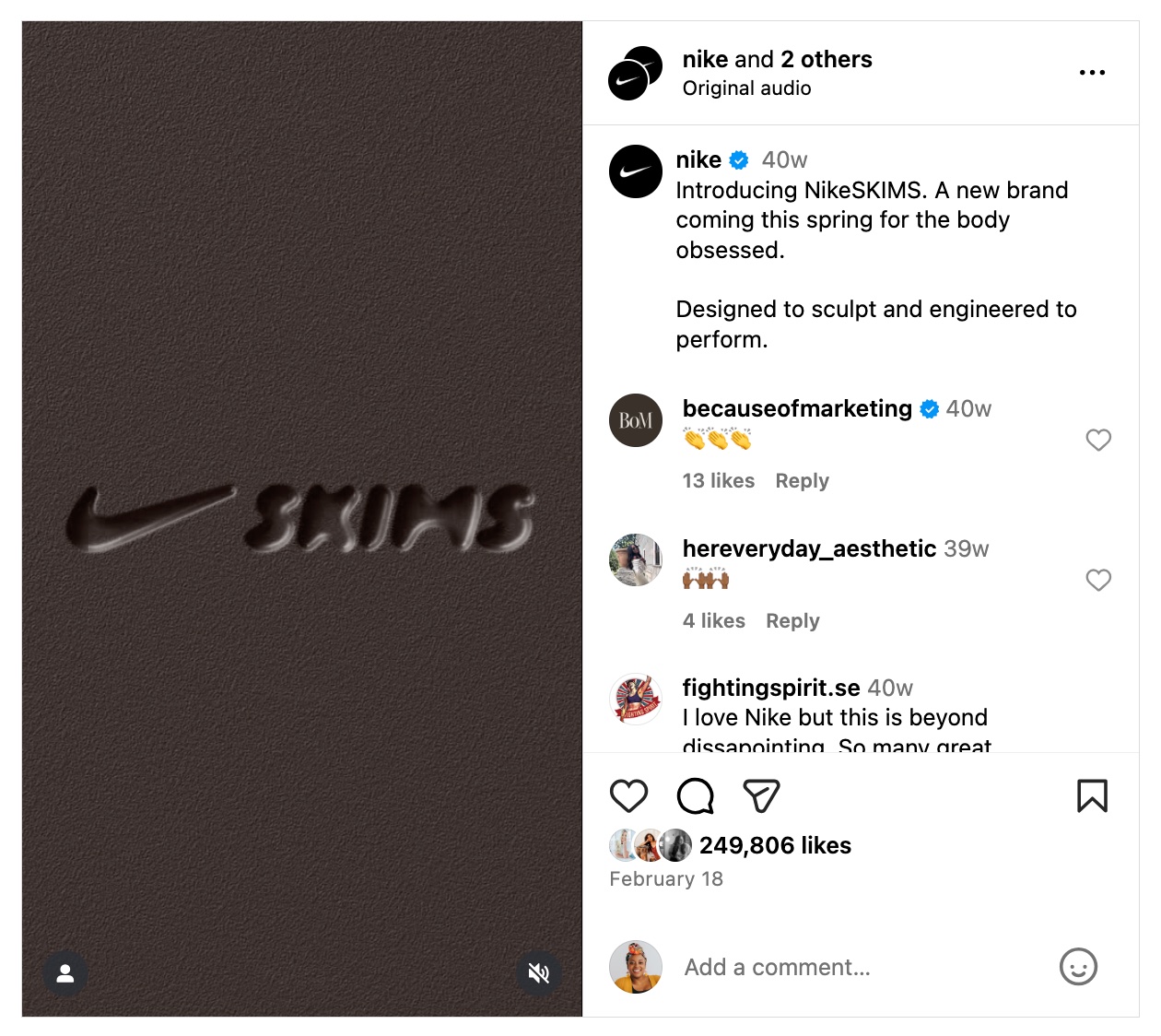
Nike x SKIMS
Nike and Skims joining forces under the NikeSKIMS brand was a notable NewsWhip find. The long-term women’s activewear line blends Nike’s performance tech with Skims’ sculpting, body-inclusive design. The initial announcement alone generated $6.1M in media impact value in 48 hours, and SKIMS’ direct-to-consumer sales more than doubled in the first two days compared to the same period last year.
Why it worked: The brands shared a clear vision for inclusivity and innovation, paired with a star-powered campaign that addressed a serious gap in women’s performance wear.
What brands can learn: Align on purpose, pair complementary strengths, and build a full product line—not just a one-off drop—to deepen engagement and drive outsized impact.
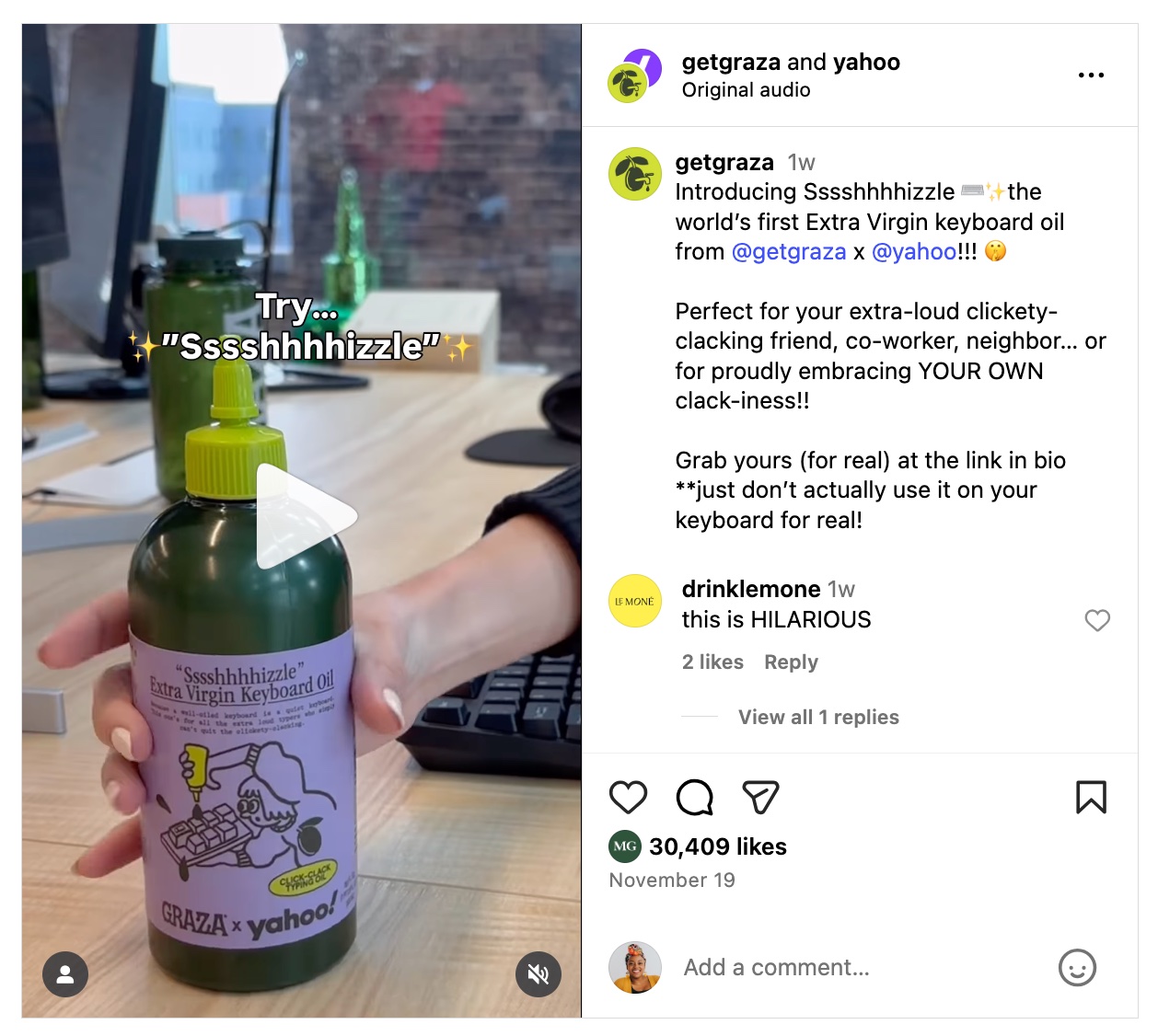
Yahoo x Graza
Yahoo and Graza’s recent collaboration dropped a limited-edition “Sssshhhhizzle” Keyboard Oil set, a satirical holiday product that repackaged Graza’s Sizzle olive oil as “keyboard lubricant” for loud typists. The gag gift quickly sold out, earned widespread media attention and made Yahoo feel unexpectedly modern and self-aware.
Why it worked: The brands fully committed to the bit, played into a relatable office tension and used an existing offer to create high-impact cultural relevance.
What brands can learn: Embrace humor and satire and use low-lift, limited releases to create memorable moments.
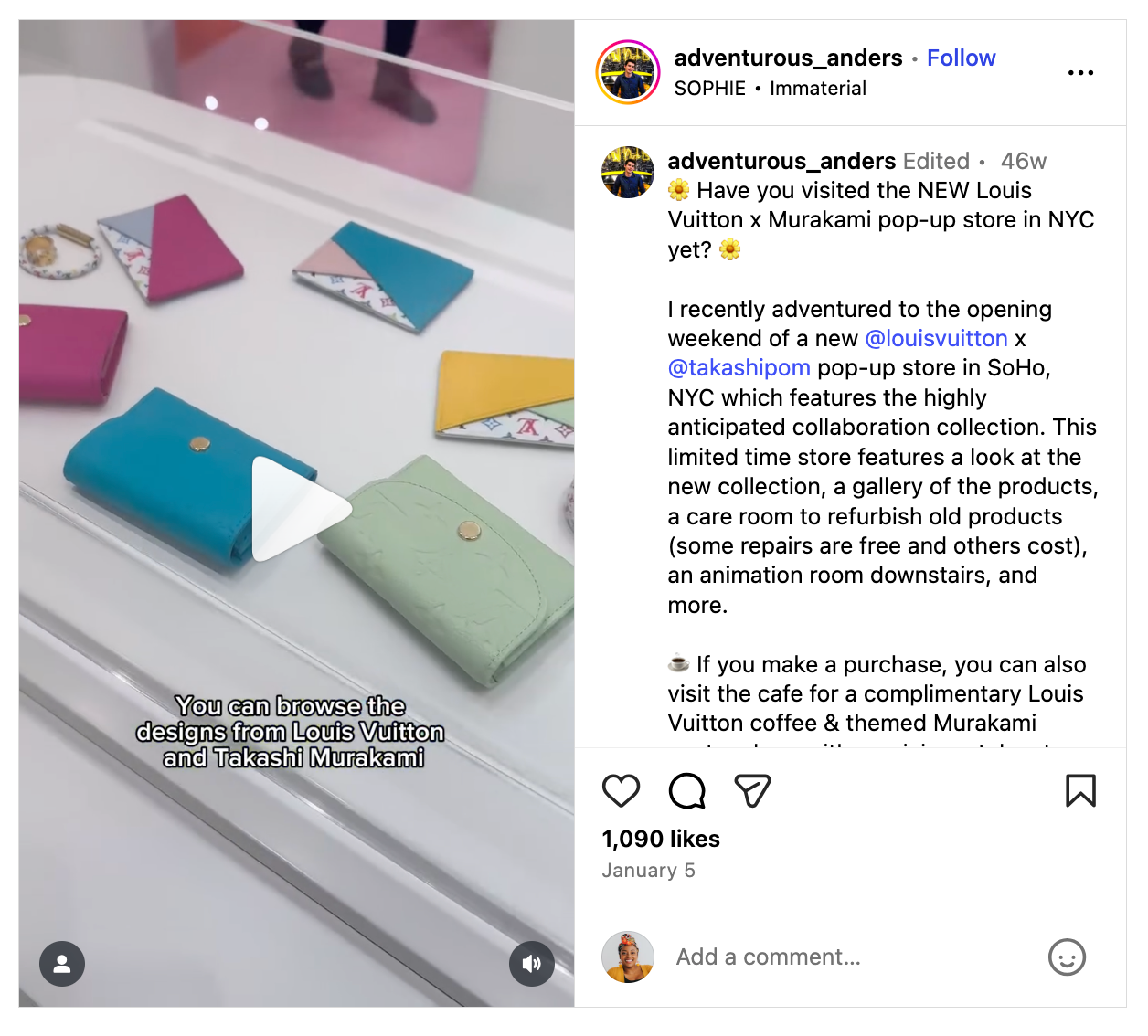
Louis Vuitton x Takashi Murakami (Revival)
Louis Vuitton reissued its iconic early-2000s Murakami collection in 2025, updating the beloved Multicolore and Cherry Blossom motifs with modern silhouettes and tech-enhanced prints. The re-release, launched in early January, was fronted by Louis Vuitton ambassador Zendaya and featured experiential pop-ups around the world. It helped drive double-digit growth for the brand that month.
Why it worked: It blended nostalgia with innovation, thoughtfully honored a decades-long cultural legacy and used celebrity storytelling to amplify brand awareness.
What brands can learn: Don’t just bring an old hit back. Elevate it. Refresh the design for today’s consumer and release it in waves to extend buzz.
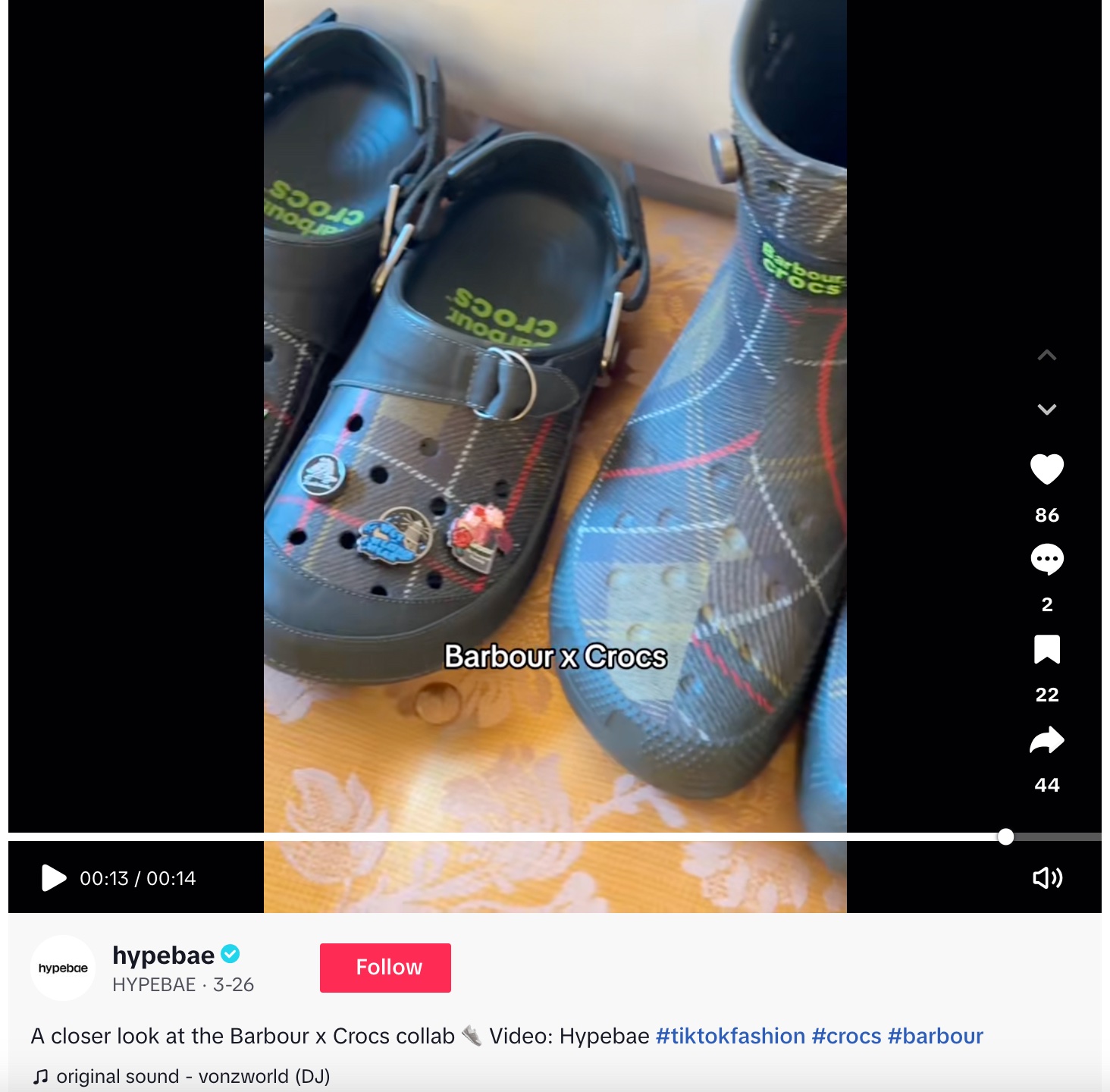
Barbour x Crocs
Barbour and Crocs teamed up on a limited-edition capsule blending Barbour’s waxed-cotton heritage with Crocs’ comfort and customization. The collection included tartan-lined clogs, waterproof wellies, an oversized wax jacket with Jibbitz-ready pockets and exclusive charms. The unlikely pairing drew wide media attention and strong fan engagement.
Why it worked: The collab embraced the surprise factor while staying true to both brands’ functional DNA. It’s quirky “pondcore” theme highlighted what both brands already do well: waterproof, durable, outdoorsy gear.
What brands can learn: Unexpected partnerships can land when there’s a shared functional purpose. Keep the creative concept playful and rooted in each brand’s identity.
Reese’s x Oreo
Reese’s and Oreo launched a long-awaited mashup in September 2025: the permanent Reese’s Oreo Cup and a limited-edition Oreo Reese’s Cookie. Early-access signups built anticipation, and the drop quickly turned into a cultural moment for two of America’s most iconic snack brands.
Why it worked: The collaboration delivered exactly what fans had been requesting for years, merging beloved flavors in a fresh, nostalgic way.
What brands can learn: Listen closely to your audience and use social demand as your roadmap.

Chamberlain Coffee x Pinterest
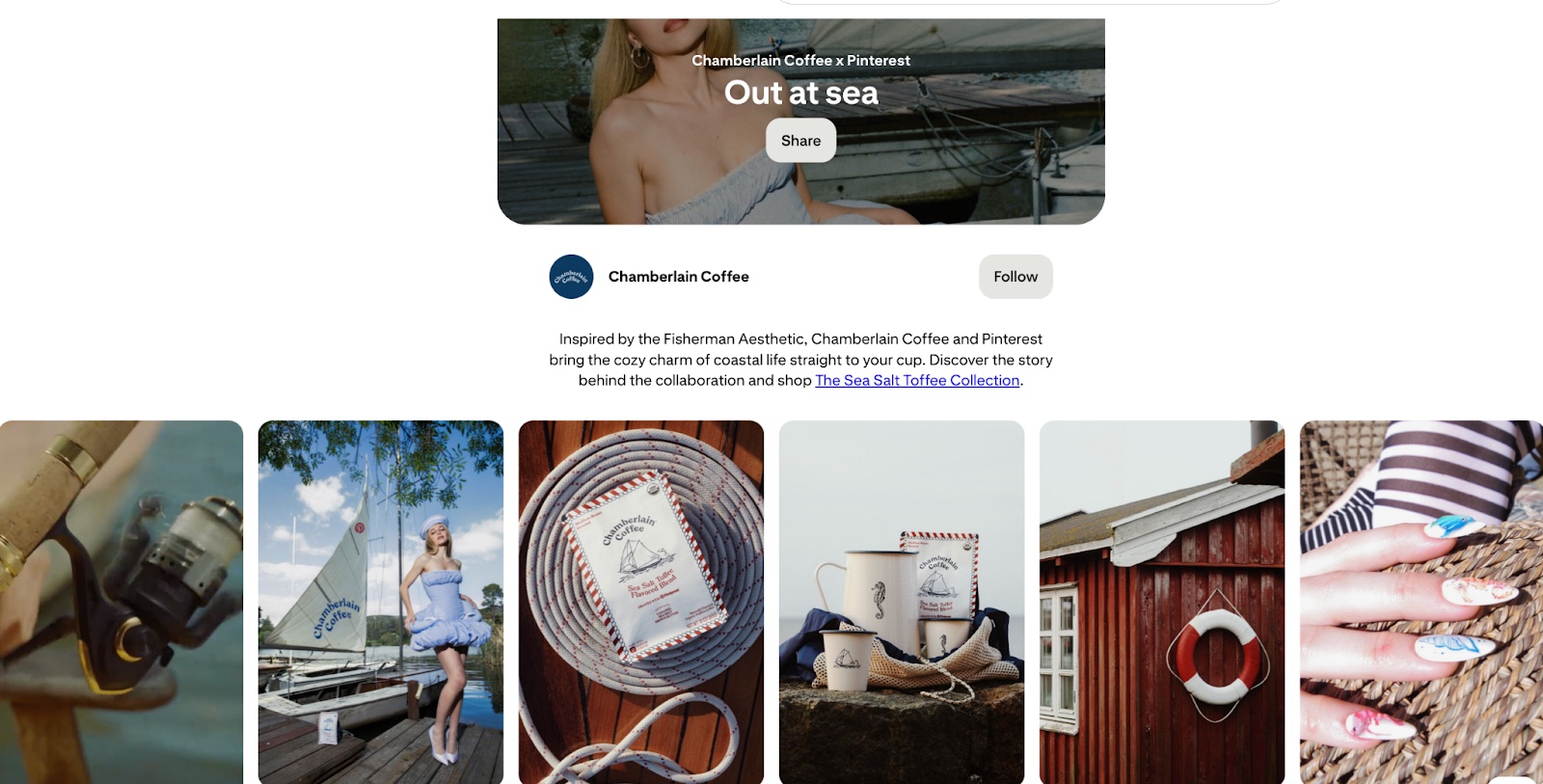
Pinterest launched its first-ever product collaboration in 2025 with Chamberlain Coffee, co-branding a limited-edition Sea Salt Toffee blend inspired by Pinterest trends.
Emma Chamberlain used Pinterest to shape everything from flavor exploration to campaign visuals, including the platform’s “Fisherman Aesthetic” trend. The blend was promoted and sold directly through Chamberlain Coffee’s website and Pinterest profile, supported by a curated shoppable board featuring inspiration, behind-the-scenes content, and limited-edition merch.
Why it worked: The partnership felt native to Pinterest’s discovery-driven experience and showcased how creator-led brands can use platform trend data to shape product development.
What brands can learn: Build collaborations that originate from real audience behavior data and use platform-native tools to turn inspiration into a cohesive product story.
How to find and execute your next brand collab
A strong collab starts long before the public reveal. It begins with choosing the right partner, finding your shared angle and planning the journey from idea to launch. Here’s how to map out each step.
Step 1: Represent your “why”
Before reaching out to any brand, clarify the purpose of the collaboration. Do you want to reach a new audience, support a product launch, reframe brand perception or experiment with a new creative direction?
Your “why” should guide every decision so your collab isn’t just a fun idea but supports tangible business goals.
Step 2: Identify the right brand partner
Once you know your “why,” look for partners who naturally complement your brand. Aim for topical and audience alignment (i.e., similar interests, different offerings). For example, a fitness app might partner with a meal-prep service, or a travel brand might team up with a luggage company.
You also need value alignment. If one brand is playful and irreverent and the other is buttoned-up and corporate, the partnership will feel like a forced first date. Shared mission, tone and vision make the collaboration feel cohesive.
To speed up your search, use social listening tools like Sprout Social and media monitoring platforms like NewsWhip to identify brands your audience already engages with. Sprout Social Influencer Marketing can also surface creators with topical overlap, which often hints at brands that could form culturally interesting pairings.
Step 3: Align on expectations and campaign tactics
Once you have a partner in mind, align on what success looks like. Set clear, mutual goals and KPIs upfront. For example, one brand may prioritize audience growth, while the other focuses on product awareness.
Next, agree on how you will communicate. Decide who owns which pieces of the project, set timelines for content reviews, and outline how approvals will work to prevent last-minute chaos.
Finally, choose the tactical format. Your collaboration could span everything from social media content to contests to co-branded products. Pick a format that fits both brands’ strengths and feels natural to your shared audience. The clearer the alignment is now, the smoother the execution will be later.
Step 4: Measure success
Once your collaboration is live, track performance across both brands to understand what worked and what needs refining. Start with shared metrics for each partner’s profile (e.g., campaign hashtags, mentions, content engagement, audience growth). If you launched a co-branded product or giveaway, include metrics like sign-ups, traffic or sales.
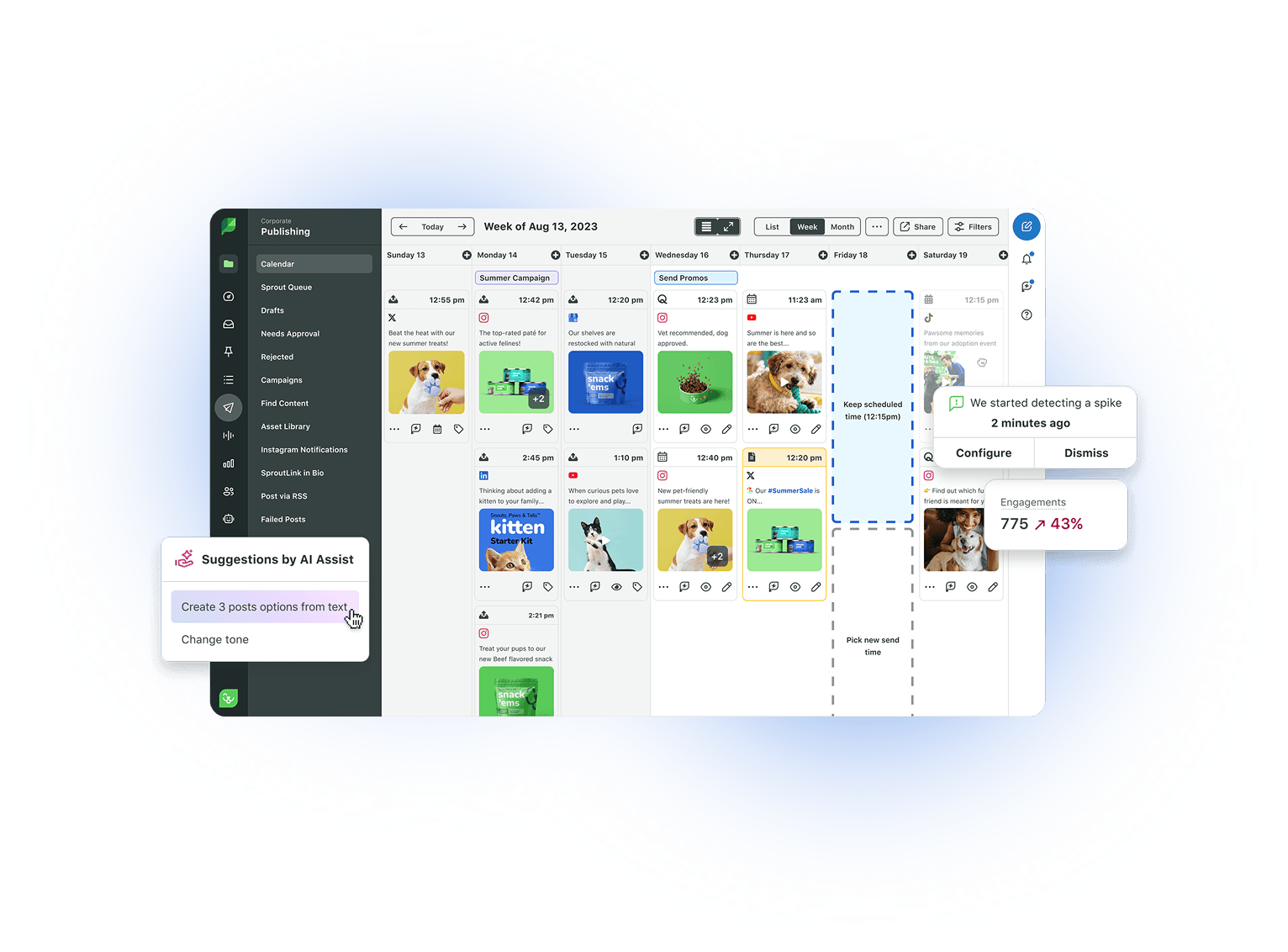
If you’re using Sprout, PDF reports make this easy. This feature allows you to export clean, visual summaries ready to share with external teams, even if they’re not Sprout users.
Lastly, establish your reporting cadence. For example, review performance at launch, mid-campaign and at wrap-up. The goal is to quantify the impact, understand the collaboration’s value and identify insights to improve your next partnership.
Begin planning your next partnership
This year’s collaborations make one thing clear: when brands choose the right partner and idea, the results are hard to ignore. We saw partnerships break into new demographics, sell out limited drops in minutes, revive nostalgic icons and reshape how audiences see the brands involved. The common thread was intention. These campaigns worked because teams knew exactly what they wanted to achieve and built a collaboration that supported that goal.
As you plan your own partnership, focus on the building blocks that matter. Set a specific outcome, whether it’s supporting a product launch or strengthening brand trust. Choose a partner your audience already respects. Align on tactics and expectations before you ever brief creative. And measure everything so you know what to repeat and what to adjust next time.
If you need more inspiration, dive into our Post Performance Report series, where we break down how brands are experimenting on social, what’s resonating with audiences and which creative choices are driving results.




Share