39 free social media strategy templates that will elevate your workflows
Published on August 20, 2026
Reading time 15 minutes
Le personal branding (littéralement « marketing personnel ») consiste à définir et à promouvoir ce que vous représentez en tant qu'individu. Votre marque personnelle est l'aboutissement des expériences, des compétences et des valeurs qui vous sont propres.
For social media influencers, freelancers and keynote speakers, building an effective personal brand is part of “selling” themselves to clients. For everyday people, a personal brand improves confidence, opens the door to new opportunities and helps you better understand yourself.
Les organisations ont toutes leur propre marque. Elles les utilisent pour s'affirmer auprès de leur public. De même, votre marque influera sur la façon dont les gens vous percevront. Si vous prenez le temps de bien définir votre marque, vous pourrez anticiper ce que les gens penseront et ressentiront en la voyant.
A personal brand rests on five core elements:
A company brand belongs to an organization and its marketing team. A personal brand belongs to you and follows you across roles.
For example, SparkToro Co-founder Rand Fishkin is known for his marketing research and keynotes at hundreds of marketing and tech events. Twitch streamer Pokimane has a brand that spans Twitch, YouTube and TikTok.
A personal brand statement is a one- to three-sentence summary of what you do, who you serve and what sets you apart. Use it in your social media bios, LinkedIn headline and pitch materials.
A personal brand exists whether you create it for yourself or not. It’s a culmination of all your online and offline behavior, including your social media presence. But you can shape it with a few deliberate steps:
For a deeper walkthrough, see our 7-step guide to building your brand.
Il ne s'agit pas de faire semblant ou de jouer la comédie. Pour que les gens s'attachent à votre marque, présentez-vous à votre réseau sous le meilleur jour possible en exprimant des qualités et des vertus qui vous sont propres.
A personal branding strategy is a way for ambitious people to improve their reputation online. Personal branding also leads to:
Personal branding involves communicating your identity to the right people. Not everyone will resonate with your personal brand, so it’s important to decide who you want to engage before you start your branding process.
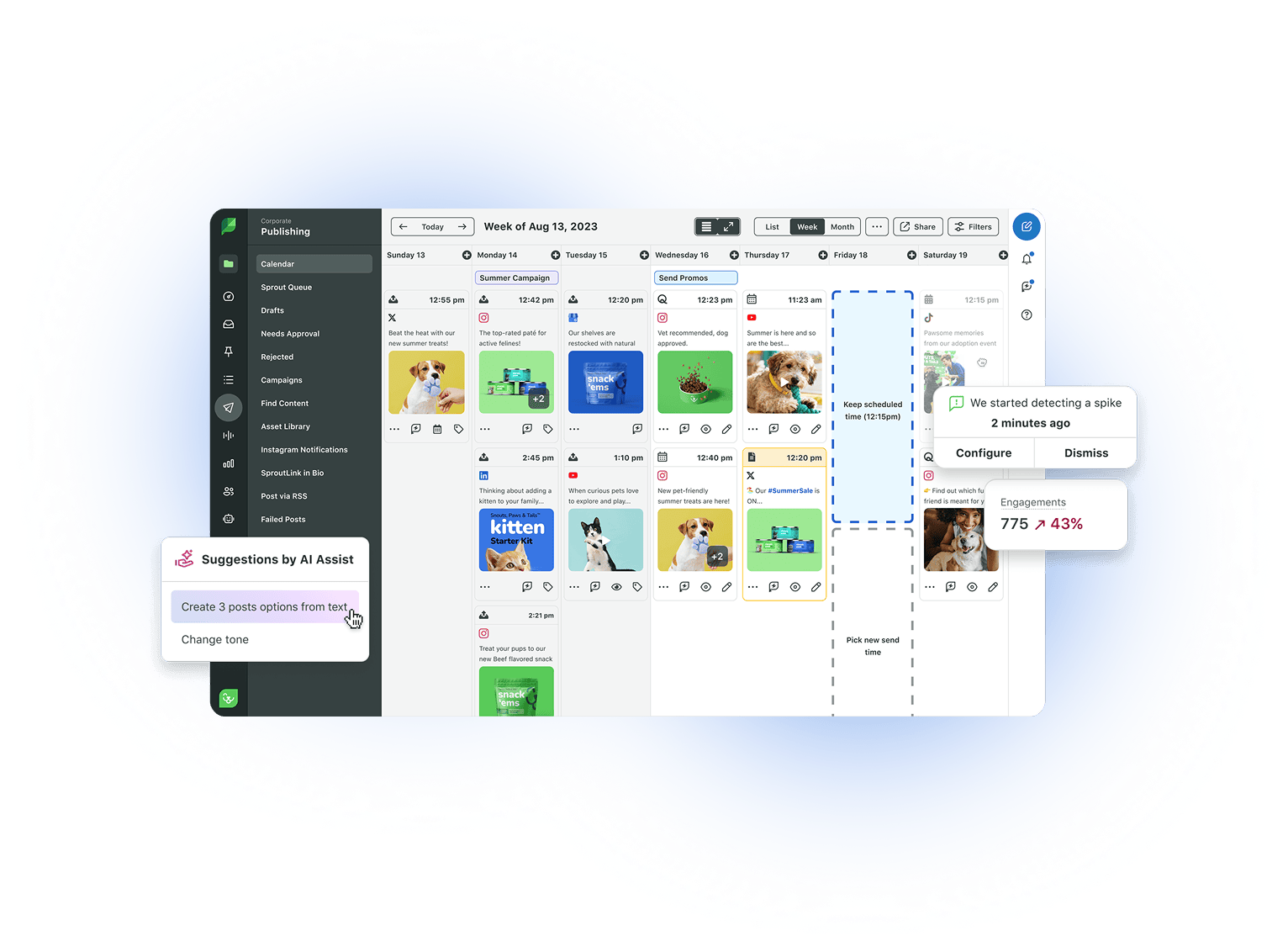
Start a free trial to schedule your personal brand content in advance with Sprout Social’s publishing tools.
39 free social media strategy templates that will elevate your workflows

Renforcez vos relations sur les médias sociaux