
Hashtags
Hashtags: What they are and how to use them effectively
This article tackles hashtags in social media marketing. It gives you a clear roadmap to using them strategically for reaching your target audience and achieving brand goals, helping you identify the best hashtags for your brand, fast.
Read on to build your strategy, then launch your free trial to track your hashtag performance and analytics in real time.
Reading time 13 minutes
Published on May 7, 2026
Table of Contents
Summary
- A hashtag is a word or phrase preceded by the # symbol that categorizes content and makes it discoverable across social media platforms.
- There are five core types of hashtags: branded, trending, niche and community, campaign and location and event—each serving a distinct strategic purpose.
- Hashtags still work in 2026, but as a content signal rather than a reach shortcut. Relevance and precision outperform volume every time.
- The right number of hashtags depends on the platform: Instagram and TikTok favor 3–5, while LinkedIn and X perform best with 1–3.
- Tracking hashtag performance through tools like Sprout Social's hashtag tracking is the step that separates a hashtag tactic from a hashtag strategy.
Hashtags are one of the most direct tools for increasing content reach, discoverability and audience engagement on social media platforms.
The answer to whether you should use them is yes. Hashtags connect your content to the conversations your audience is already having and forward-thinking brands use them with specific goals in mind: driving product discovery, fueling campaigns and extracting performance data through hashtag analytics.
This guide breaks down what hashtags are, how to use them effectively and how brands are winning with hashtag strategy in 2026.
What is a hashtag?
A hashtag is a word or phrase preceded by the # symbol that categorizes and connects content across social media platforms. Add hashtags to posts, bios and comments on Instagram, Facebook, TikTok, X (formerly known as Twitter), LinkedIn, YouTube and Pinterest to make your content discoverable and searchable.
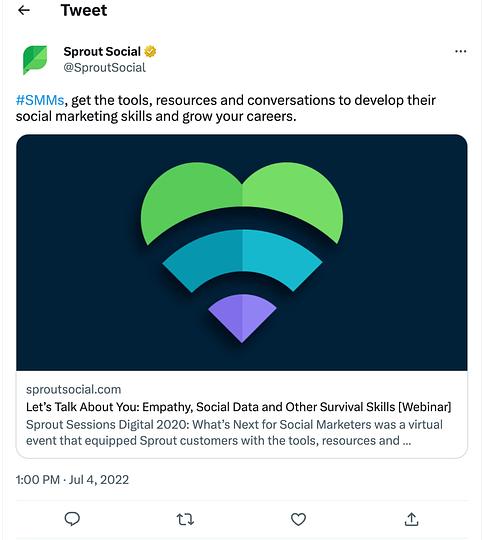
What is the history of the hashtag?
The first hashtag debuted on X (formerly known as Twitter) in 2007, created by product designer Chris Messina. His intent was radical: build a connective layer that no single platform could own.
“I designed the hashtag to thwart any one social network from becoming the dominant gatekeeper. Think about it: The hashtag is one of the few superstructures that spans across all social media platforms.
Only hashtags allow similarly-interested folks to find each other—whether they’re on Twitter, Instagram, Pinterest, TikTok, Reddit or elsewhere. It provides a glimpse into what an interoperable, decentralized social web could be like.” — Chris Messina, Inventor of the hashtag
What started as a simple organizational tool has become the connective tissue of social culture.
What is the hashtag symbol?
The # symbol’s official name is an octothorpe, first introduced to the touch-tone dialing keypad in 1971. Before social media claimed it, the symbol served as a pound sign, a number indicator and a musical sharp notation. Early internet chatroom users borrowed the term “hash” from programmer culture—and that’s exactly what inspired Messina to repurpose it on Twitter.
What is the purpose of a hashtag?
Hashtags bring order to social feeds by grouping similar conversations into a single, clickable and searchable link. When you publish a hashtag, you instantly connect your content to every other post using that same tag—turning a single post into a discoverable thread within a larger conversation.
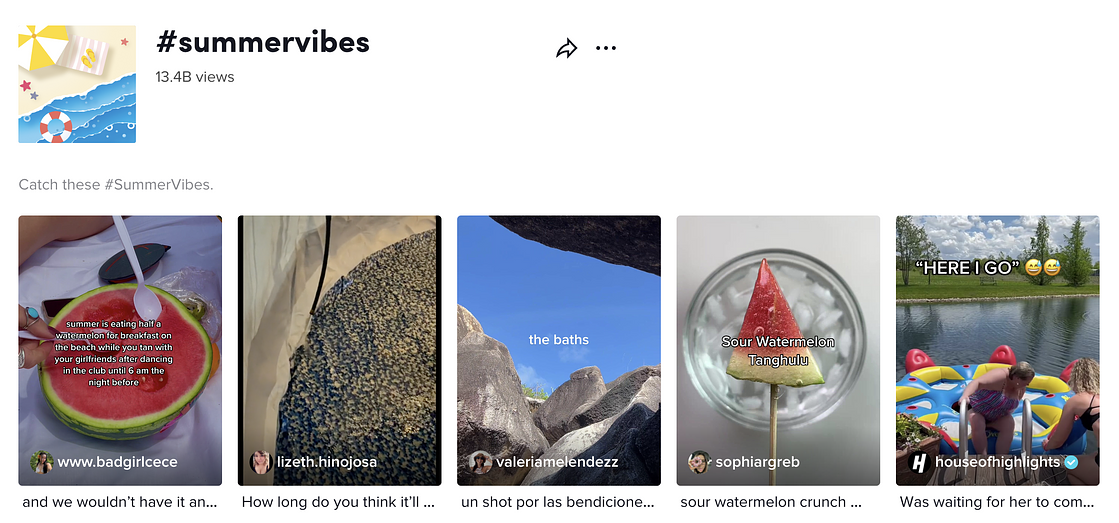
Click on #SummerVibes on TikTok and you see every video published under that tag—including top performers and total reach. That’s the hashtag’s core power: instant community at scale.
What are hashtags used for?
Hashtags have evolved far beyond feed organization. Today, they drive campaigns, ignite movements and build brand communities. Here’s what hashtags accomplish for brands and creators:
- Amplify reach: Hashtags extend your content beyond your existing followers to anyone searching or following that tag.
- Fuel campaigns: Dedicated hashtags anchor hashtag campaigns and give audiences a rallying point to participate.
- Spark movements: Hashtags like #MeToo and #BlackLivesMatter demonstrate how a single tag transforms into a cultural force.
- Build community: Niche hashtags connect brands with highly targeted audiences who are already interested in their space.
- Drive discovery: As social search grows, data from our Q3 2025 Sprout Pulse Survey shows 52% of social media users rely on social media to find user-generated content and personal experiences—and hashtags function as a direct path to your content.
Ready to track your hashtag performance and uncover the trends driving your audience conversations?
Types of hashtags
Hashtags fall into distinct categories and each one serves a different strategic purpose. Know which type to use and when and your hashtag strategy stops being guesswork.
Branded hashtags
Branded hashtags are unique to your business, product, campaign or tagline. They centralize conversations around your brand and make it easy to track user-generated content. Use them to build recognition and give your audience a clear way to engage.
Trending hashtags
Trending hashtags connect your content to timely conversations already gaining momentum. They increase visibility fast—but only when the trend genuinely fits your brand. A forced connection does more damage than no connection at all.
Niche and community hashtags
Niche hashtags reach people with specific interests. Community hashtags unite creators, customers and brands around a shared topic, such as #BookTok. Both attract a more relevant audience than broad, oversaturated tags.
Campaign hashtags
Campaign hashtags anchor launches, promotions, events and seasonal pushes. They give your audience one clear tag to follow and remember—and they make cross-post performance tracking straightforward.
Location and event hashtags
Location and event hashtags place your content inside conversations tied to a specific place or moment. They perform best for conferences, local campaigns, store openings and live experiences where context drives discovery.
| Hashtag type | Primary purpose | Best used for |
|---|---|---|
| Branded | Build recognition and collect UGC | Always-on brand presence |
| Trending | Increase reach through timely relevance | Cultural moments that fit your brand |
| Niche and community | Reach targeted, high-intent audiences | Audience-specific content and community building |
| Campaign | Track and amplify specific initiatives | Launches, promotions and events |
| Location and event | Surface content in place- or moment-based searches | Local campaigns, conferences and live experiences |
As Messina puts it: “Many more people are interested in finding their community—or growing the one they already run. Hashtags provide a tried and true method across nearly every social media platform.” Ready to build your own? Start with our guide on creating your own hashtag.
Do hashtags still work in 2026?
Hashtags work—but not the way they used to. They’ve shifted from a reach shortcut to a content signal, telling platforms what your post is about and connecting it to the right audience.
Social search is making hashtags more important, not less. According to the Q3 2025 Sprout Pulse Survey, 52% of social media users rely on social search to find user-generated content and personal experiences. Hashtags are the direct mechanism that connects your content to those searches. Ignore them and you hand that discovery to a competitor who won’t.
Hashtags serve three distinct functions:
- Content classification: Algorithms use hashtags to categorize and distribute your posts to relevant feeds.
- Audience discovery: People searching topics find content through hashtags tied to their interests.
- Campaign organization: Brands use branded hashtags to anchor conversations and build community around specific initiatives.
A few focused, relevant hashtags tied to your content and platform will outperform a wall of generic tags every time. Treat hashtags as strategy, not decoration. Explore how hashtags work on each platform: Facebook hashtags, Instagram hashtags, TikTok hashtags, YouTube hashtags and Twitter hashtags.
Why should you use hashtags?
Hashtags grow your reach, build brand awareness and add context to your content—all at once. Here are three ways hashtags deliver real business value:
Increases engagement
Hashtags connect your posts to larger conversations and trending topics, putting your content in front of audiences who are already interested in what you’re saying. A sports brand joining the World Cup conversation with #WorldCup and #FIFAWorldCup instantly taps into a global audience searching those terms.
Go beyond posting—monitor those hashtags and engage with users who are already in the conversation. Like, comment, share user-generated content or run a contest to turn passive viewers into active participants.
One critical rule: spammy, irrelevant or excessive hashtags hurt more than they help. Choose hashtags that reach like-minded audiences and back them up with content worth engaging with. Use hashtag tracking tools and hashtag analytics tools to measure exactly what’s working.
Makes your brand easier to find
Hashtags categorize your content so people searching for specific topics find you—even if they’ve never heard of your brand. A skincare brand posting about a new moisturizer with #skincare, #beauty and #moisturizer turns a single post into a discovery moment for consumers actively searching those terms.
Branded hashtags take this further. They give your existing audience a direct path to your content and create a searchable archive of everything your brand stands for.
Adds additional context to your posts
Hashtags signal what your content is about without requiring paragraphs of explanation. A recipe post tagged #recipe immediately differentiates itself from other food content. An event post using the official event hashtag reaches attendees and followers who are tracking that conversation in real time.
For visual content especially, hashtags do the contextual heavy lifting—letting the creative speak for itself while the tags handle discoverability.
How to find which hashtags to use
Popularity alone doesn’t make a hashtag right for your brand. Before using any hashtag, define your goal—whether that’s increased engagement, broader reach or community building—then research from there.
Use a social media listening tool
Sprout Social’s Listening tool surfaces the exact hashtags your target audience uses by tracking keywords tied to your brand and industry. It also analyzes mention volume, engagement and audience sentiment so you know whether your current hashtags are working or need a reset.
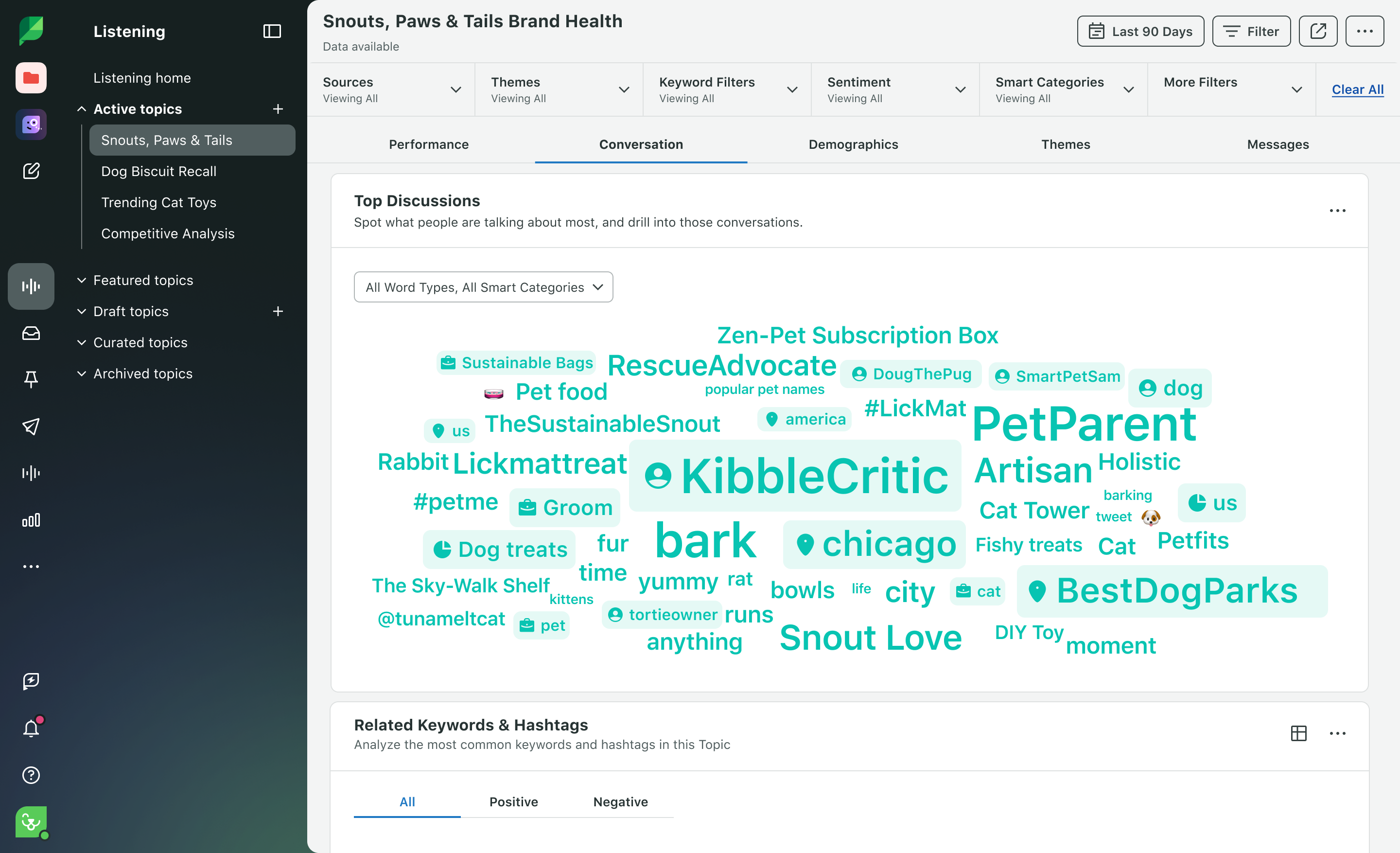
Social listening turns passive observation into active strategy. Instead of guessing which hashtags resonate, you get real data on what your audience is already discussing—and where your brand fits into that conversation.
Research trending hashtags
Trending hashtags connect your content to active conversations and expand your reach beyond your existing followers. Use a hashtag tracking tool or browse natively across social media platforms to find what’s gaining momentum in your niche.
Start with these hashtag categories:
- Product or service (example: #Pretzels)
- Industry or community-specific (example: #BookTok)
- Timely or seasonal (example: #NYE)
- Location (example: #Dublin)
- Acronyms (example: #SMMs)
On Instagram, browse the Explore page to see which posts are rising in popularity and note the hashtags driving that momentum. Also track hashtag holidays—there’s one almost every day—and evaluate whether they align with your brand before jumping in.
Review your competition
Competitor hashtag research reveals which conversations your audience is already part of. Identify brands with a similar target audience and analyze the hashtags in their posts and profile descriptions.
Look for recurring themes that map to your brand, then analyze the engagement those hashtags generate. A hashtag that performs well for a competitor won’t automatically perform for you—your brand voice, audience and niche determine what actually lands.
Sprout Social’s Listening tool makes this systematic rather than manual. Build a listening topic around a competitor’s brand name or handle and track which hashtags consistently appear alongside their most engaged content. You get real data on share of voice, engagement volume and audience sentiment—so your competitive hashtag research is grounded in evidence, not assumptions.
How many hashtags should you use?
The right number of hashtags depends on the platform, your audience and what the post needs to accomplish. Relevance beats volume every time.
Use only the hashtags that strengthen your post. If a hashtag doesn’t add context, improve discoverability or connect your content to a real conversation, cut it.
| Platform | Recommended count | Key principle |
|---|---|---|
| 3–5 | Relevance to community and topic wins over quantity | |
| TikTok | 3–5 | Tie hashtags tightly to the topic, trend or audience you want to reach |
| 2–3 | A mix of professional, topic-based and branded hashtags performs best | |
| X (formerly Twitter) | 1–2 | Keep it minimal—one or two strong hashtags get the job done |
| 1–2 | Use selectively and only when they add real value | |
| YouTube | 3–5 | Place 1–2 in the title and the remainder in the description |
| Use discretion | Prioritize timely and seasonal hashtags that match how users browse |
More hashtags don’t mean more impact. Better hashtags do.
Tips for using hashtags
Strategic hashtag use requires research, intentional selection and consistent performance tracking. Without this foundation, even well-crafted posts miss their target audience.
Here are the most effective ways to use hashtags to drive real results.
1. Create branded hashtags
A strong branded hashtag increases visibility, clicks, mentions and overall reach. Use it consistently across all your social media platforms and encourage your followers to do the same when they share content related to your brand.
Rare Beauty—Selena Gomez’s makeup brand—launched #rareroutine to inspire customers to share their beauty routines using Rare Beauty products. The result: a steady stream of authentic, user-generated content that amplifies the brand without additional ad spend.
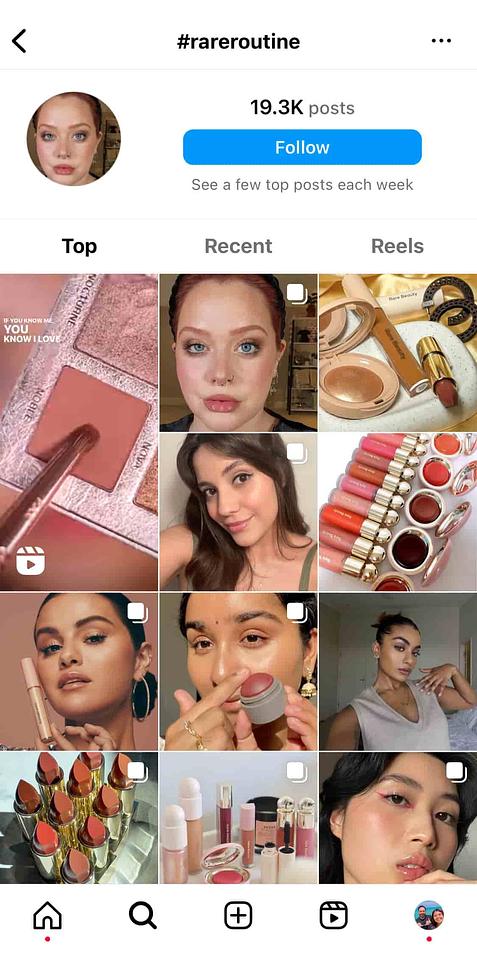
The right mix of popular, niche and brand-specific hashtags is the sweet spot for exposure and engagement. Identify hashtags that differentiate your brand from competitors and directly support your goals. Once your branded hashtag is live, track every mention of it with Sprout Social’s Smart Inbox—so you never miss a piece of user-generated content, a brand mention or a community conversation worth joining.
2. Use relevant hashtags in your social content
With hashtags, less is more. Stuffing posts with hashtags deters readers and signals spam to platform algorithms, both outcomes that hurt your reach.
Stick to a focused set of hashtags that directly describe your post. Follow the best practices of each social platform to determine the right number, which varies significantly across platforms. Place hashtags at the bottom of your captions or descriptions to keep readers engaged with your message before they click away.
3. Analyze and report on your hashtags’ progress
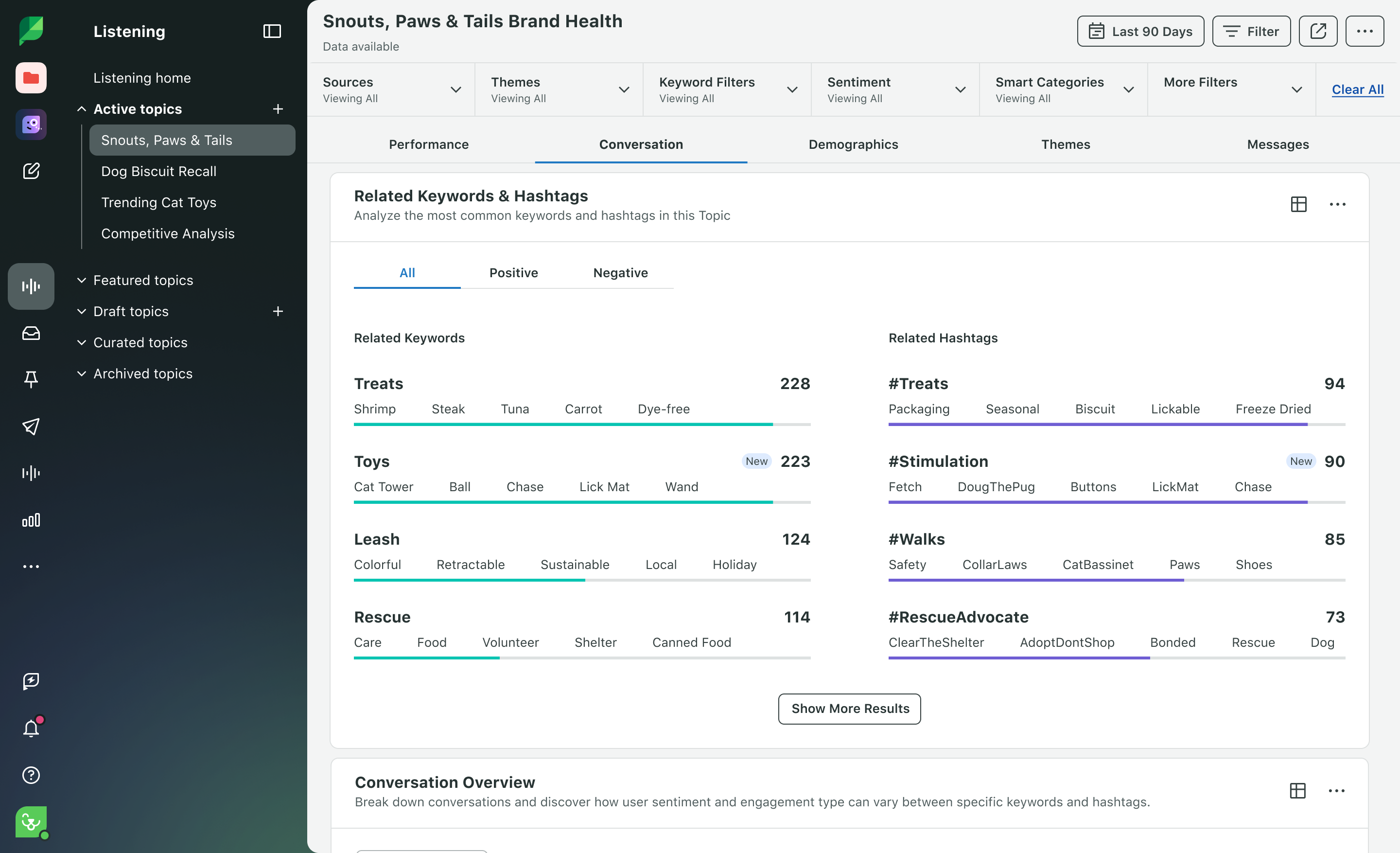
Tracking your hashtags is the most critical step in proving their impact on social performance. Monitor these key metrics regularly:
- Popularity: How many people are using the hashtag?
- Reach: How many people see posts that include the hashtag?
- Interactions: How many people engage—like, share or comment—with posts using the hashtag?
- Audience: Who is actually seeing the hashtag?
Sprout Social centralizes this data automatically and connects it to real business outcomes. Use Social Listening to track how frequently people discuss your topic, identify related terms and measure audience sentiment. Use Sprout’s Tag Performance Report to group posts by campaign or hashtag and compare performance across content types. And use the Post Performance Report to see exactly which hashtags are driving engagement and which ones are dead weight.
Rotate your best-performing hashtags and test new ones consistently. Repeating the exact same hashtags on every post registers as spam. Keep your strategy dynamic and data-driven.
Using hashtags on different social media platforms
Each social media platform has its own hashtag culture, algorithm and audience behavior. A hashtag strategy that drives reach on TikTok won’t automatically translate to LinkedIn. Tailor your approach to each platform to maximize discoverability and engagement.
| Platform | Recommended hashtag count | Best placement | Key strategy |
|---|---|---|---|
| 3–5 | Posts, comments, Stories | Relevance to community and topic | |
| 1–2 | Posts, comments, Stories | Timely, news-driven hashtags | |
| TikTok | 3–5 | Videos, Stories | Trending hashtags used thoughtfully |
| X (formerly Twitter) | 1–2 | Tweets, Retweets, Replies | Community and event-focused hashtags |
| 2–3 | Posts, company page | Mix branded and industry-specific hashtags | |
| YouTube | 3–5 | Title (1–2) and description | |
| Use discretion | Pin descriptions | Seasonal and niche hashtags |
How to use hashtags on Instagram
Instagram’s Creator Community defines hashtags as a tool that provides context about your post and delivers content to people interested in a specific topic. Keep your hashtag usage focused and relevant—quality beats quantity every time.
- Use 3–5 hashtags per post
- Place hashtags in your posts, comments and Stories
- Only use hashtags directly relevant to your community and brand
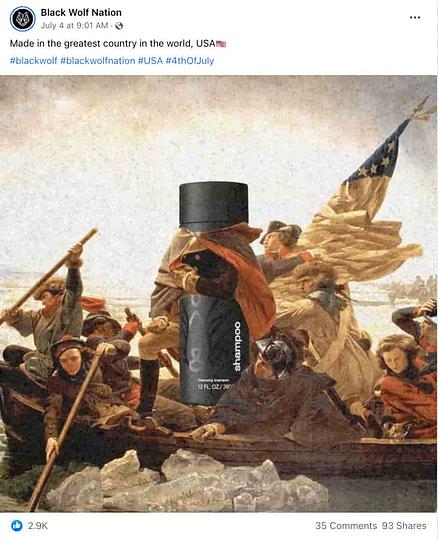
How to use hashtags on Facebook
Facebook hashtags work best when they’re timely and minimal. Many users turn to Facebook for news and events, so hashtags tied to current moments drive the most visibility.
- Use 1–2 hashtags per post
- Place hashtags in your posts, comments and Stories
- Prioritize timely, event-driven hashtags to tap into active conversations
How to use hashtags on TikTok
Hashtags on TikTok directly influence how the algorithm surfaces your content to new audiences. Use trending hashtags strategically—jumping on every trend without brand alignment does more harm than good.
- Use 3–5 hashtags per video
- Place hashtags in your videos and Stories
- Monitor emerging trending hashtags and use them only when they fit your brand
- Avoid #ForYou, #FYP and #ForYouPage—these generic tags add no discoverability value
How to use hashtags on X (formerly Twitter)
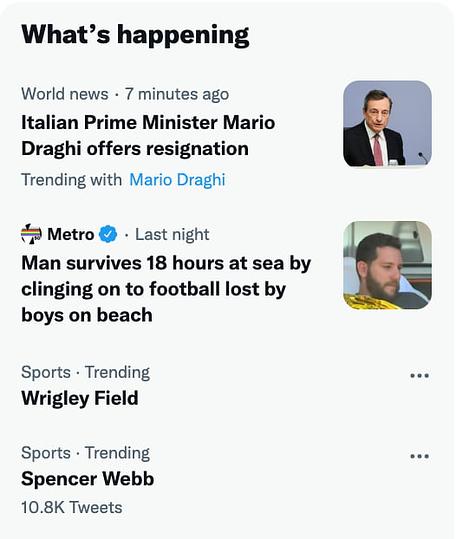
Hashtags are core to how X (formerly Twitter) organizes real-time conversation. The platform surfaces trending hashtags and keywords directly on the homepage, making it one of the most hashtag-responsive platforms available.
- Use 1–2 hashtags per post
- Place hashtags in your Tweets, Retweets and Replies
- Focus on community-driven hashtags tied to events, conferences and holidays
- Join trending conversations only when the hashtag genuinely fits your brand
How to use hashtags on LinkedIn
LinkedIn users follow hashtags tied to their profession and industry. Your branded hashtags belong here—and encouraging your team to use them amplifies reach through employee networks.

- Use 2–3 hashtags per post
- Place hashtags in your posts and on your company page—hashtags in comments or articles don’t appear in feeds
- Combine well-known industry hashtags with niche branded ones for maximum reach
How to use hashtags on YouTube
YouTube hashtags improve search discoverability and help organize your channel content. Place your most important hashtags in the video title to capture search intent immediately.
- Use 3–5 hashtags per video
- Place 1–2 hashtags in your title and the remainder in your description
How to use hashtags on Pinterest
Pinterest organizes content into categories and niche hashtags help your Pins reach audiences actively searching for specific inspiration. Seasonal relevance is especially powerful here—users plan ahead on Pinterest more than on any other platform.
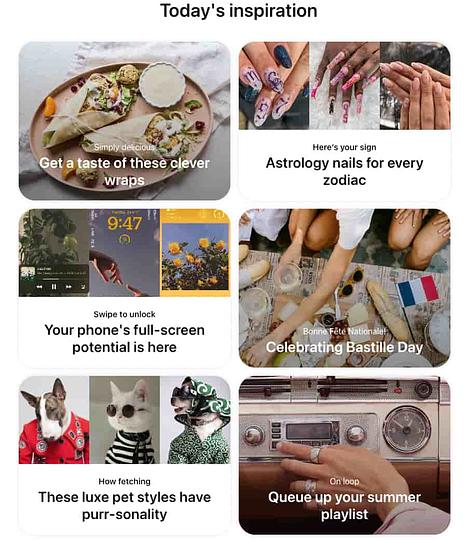
- Use your own discretion on hashtag count—less is more on Pinterest
- Prioritize timely and seasonal hashtags to match how users browse for ideas
- Keep every hashtag directly relevant to the Pin’s content
Hashtag examples to spark your next big idea
The best hashtag strategies blend branded, trending and location-based tags to maximize reach and attract the right audience. Here’s how real brands and creators do it.
1. Reference an internet trend
When Casper heard about #GoblinMode—the internet trend celebrating rest and relaxation—they jumped in fast. As a brand built around sleep, the fit was natural and the timing was sharp.

When a trending hashtag aligns with your brand values, use it immediately. Speed matters—brands that act within one to two days of a trend emerging consistently win more engagement.
2. Use a hashtag for your Q&A
Orgain hosted a live Q&A and anchored every response with #OrganicSummer. The hashtag gave their audience a single thread to follow, broad enough to attract new viewers and specific enough to keep the conversation relevant.
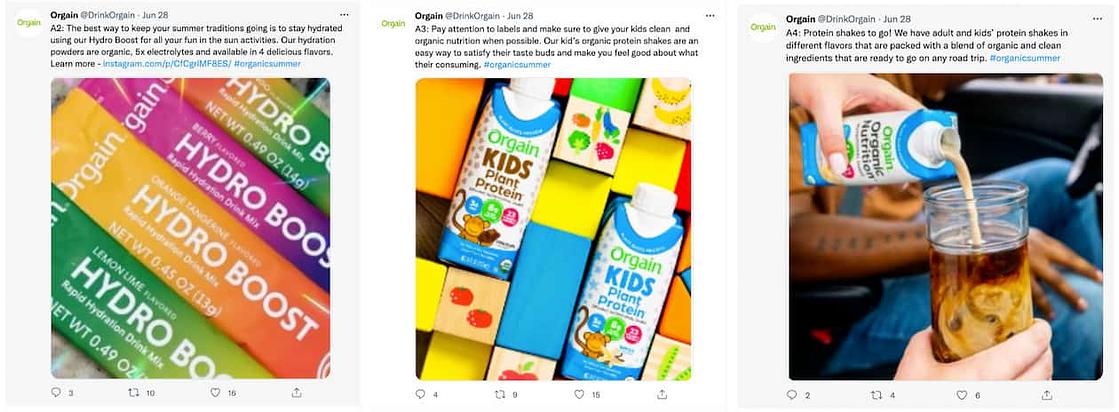
Every event needs a hashtag. If one doesn’t exist yet, create it before you promote—and use it consistently across every post.
3. Combine branded and general hashtags
Jenna Kutcher, host of the Goal Digger podcast, pairs brand-specific tags like #GoalDiggerPodcast with broad discovery tags like #Entrepreneurship. The combination captures her existing audience and pulls in new ones searching relevant topics.

Build your branded hashtag from a campaign name, tagline or content series already tied to your brand—the association is instant and the recognition compounds over time.
4. Tag your location
Myles Apparel tags their Instagram images with #Donner, connecting their outdoor apparel directly to Donner Summit, California—a destination their nature-obsessed audience already loves.

Location hashtags put your content in front of people actively exploring that place. If you’re posting from somewhere meaningful to your audience, tag it.
Start using hashtags in your content strategy
Hashtags are a direct line to your audience—connecting your content to the conversations, communities and searches that matter most to your brand. Use them with intention and they drive reach, build brand awareness and fuel real community growth.
The brands that win with hashtags don’t guess. They research, track and refine based on real data. Sprout Social’s social listening and hashtag analytics tools give you everything you need to find the right hashtags, measure their impact and build a strategy that compounds over time. Start a free trial to see it in action.
Frequently asked questions about hashtags
What is a hashtag used for?
A hashtag groups content around a topic, campaign, event or community—expanding your reach beyond your existing followers by helping people discover relevant posts.
How do you create a good hashtag?
Keep it short, clear and easy to spell. A branded hashtag must be distinct enough to own and simple enough for your audience to use without thinking twice.
How many hashtags should you use per post?
Use only the hashtags that add real value to the post. A focused set of relevant hashtags outperforms a long list of generic ones every time.
What's the difference between a branded hashtag and a trending hashtag?
A branded hashtag is created by your business for your brand, campaign or community. A trending hashtag is already gaining traction across a platform in real time—and the strongest strategies use both with intention.
What are the most popular hashtags right now?
The most popular hashtags change fast and rarely deliver the best results. Focus on the hashtags your specific audience follows and engages with—relevance drives reach, not volume.
Additional resources for Hashtags
Halloween hashtags to kickoff #spookyseason
Hashtag analytics: Your complete guide to tracking hashtag performance

The ultimate guide to Instagram hashtags: 280+ examples and growth strategies

How hashtags on Facebook still work for businesses in 2026

250+ Instagram Reel hashtags to boost engagement for your brand
LinkedIn hashtags: The complete guide for 2026
Hashtags: What they are and how to use them effectively

Hashtag holidays that need to be part of your strategy in 2026

TikTok hashtags: How to use the best hashtags for more views in 2026

How to use LinkedIn hashtag analytics to boost content reach

How to use Twitter hashtags: Find trending X hashtags [2026]

YouTube hashtags: The complete guide for marketers

A guide to hashtag campaigns for marketers

How to create a hashtag for your brand


Share